All Sweatshirts: Complete Guide to Styles and Materials
The sweatshirt has evolved from humble athletic origins to become one of the most versatile garments in modern wardrobes. Whether you're searching for comfort during casual weekends, style for urban settings, or warmth during colder months, understanding all sweatshirts available today helps you make informed purchasing decisions. This comprehensive guide explores the materials, styles, care techniques, and selection criteria that define quality sweatshirts in 2026.
Understanding Sweatshirt Materials and Construction
The foundation of any quality sweatshirt begins with its fabric composition. Modern all sweatshirts utilize various materials, each offering distinct advantages for different needs and preferences.
Cotton Sweatshirts
Pure cotton remains the gold standard for breathability and natural comfort. Cotton sweatshirts provide excellent moisture absorption and softness against skin, making them ideal for everyday wear. The fiber structure allows air circulation, preventing overheating during moderate activity.
Key benefits of cotton sweatshirts include:
- Superior breathability for all-day comfort
- Natural softness that improves with washing
- Hypoallergenic properties for sensitive skin
- Environmental sustainability when sourced responsibly
- Classic appearance that resists trends
However, pure cotton sweatshirts require proper care to maintain shape and prevent shrinkage. Pre-shrunk varieties offer more dimensional stability after washing.

Polyester and Blended Fabrics
Polyester has revolutionized athletic and performance sweatshirts through moisture-wicking capabilities and durability. When evaluating sweatshirt materials, blends combining cotton and polyester deliver balanced performance.
Common blend ratios for all sweatshirts include:
| Blend Ratio | Primary Benefits | Best Use Cases |
|---|---|---|
| 80/20 Cotton/Poly | Softness with durability | Casual everyday wear |
| 50/50 Cotton/Poly | Balance of comfort and performance | Active lifestyle, light workouts |
| 60/40 Cotton/Poly | Enhanced breathability with shape retention | Layering, moderate activity |
| 90/10 Cotton/Poly | Maximum natural feel | Premium casual wear |
Polyester blends resist wrinkles, maintain color vibrancy longer, and dry faster than pure cotton alternatives. These characteristics make them practical for frequent washing and varied climates.
Fleece Varieties
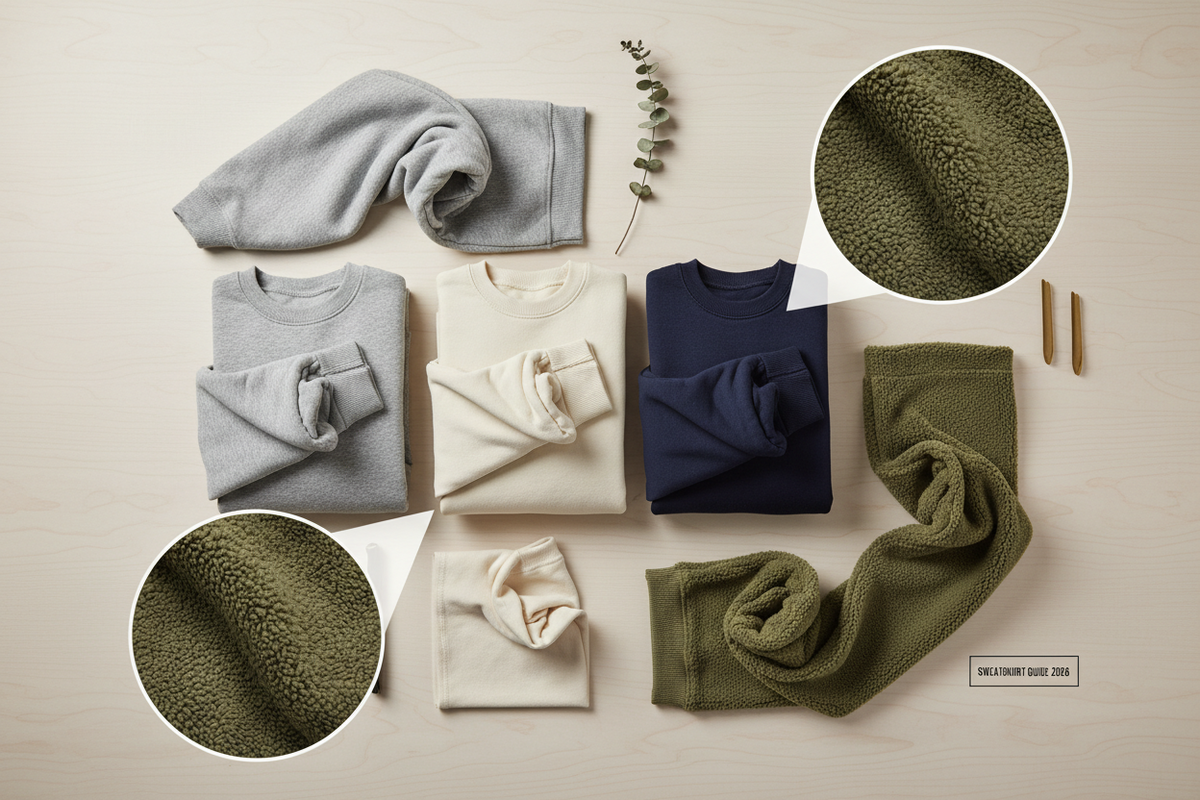
Fleece technology has expanded the functionality of all sweatshirts significantly. French terry, brushed fleece, and heavyweight fleece each serve specific purposes. French terry features loops on the interior surface, creating texture and warmth without excessive bulk. Brushed fleece undergoes mechanical processing to lift fibers, producing a plush interior surface.
Heavyweight fleece sweatshirts typically weigh 10-14 ounces per square yard, providing substantial insulation for cold weather. Midweight options at 7-9 ounces balance warmth with breathability for transitional seasons.
Exploring Sweatshirt Styles and Designs
The history of sweatshirts reveals continuous innovation in design and functionality. Today's market offers unprecedented variety in cuts, features, and aesthetic approaches.
Crewneck Sweatshirts
Crewneck styles represent the original sweatshirt silhouette, featuring a rounded neckline without closures or hoods. This minimalist design offers versatility for layering and standalone wear. Modern crewnecks incorporate details like ribbed side panels, dropped shoulders, and oversized fits that reflect contemporary fashion preferences.
The clean canvas of crewneck all sweatshirts makes them ideal for:
- Screen printing and embroidery applications
- Minimalist wardrobe foundations
- Professional casual environments
- Layering under jackets and coats
- Showcasing bold graphics and patterns
Hooded Sweatshirts
Hoodies have transcended their athletic origins to become cultural icons. The addition of a hood provides functional weather protection while creating distinctive style opportunities. Drawstring adjustments, kangaroo pockets, and zip-front variations expand functionality.
Full-zip hoodies offer temperature regulation advantages, allowing wearers to adjust coverage without complete removal. Pullover hoodies maintain traditional aesthetics while emphasizing casual comfort. Some designs incorporate technical features like media ports, interior pockets, and thumbhole cuffs.

Quarter-Zip and Half-Zip Styles
Quarter-zip and half-zip sweatshirts bridge the gap between athletic performance and casual sophistication. The partial zipper allows ventilation control without the bulk of full-zip designs. These styles frequently appear in athletic settings, corporate casual environments, and outdoor activities.
Mock neck and collar variations enhance the refined appearance of zip-style all sweatshirts. The elevated neckline provides additional warmth and creates a polished silhouette suitable for various social contexts.
Sizing and Fit Considerations
Proper fit dramatically influences both comfort and appearance. Contemporary sweatshirt sizing reflects diverse style preferences from fitted athletic cuts to oversized streetwear silhouettes.
Traditional Fit Guidelines
Standard sizing for all sweatshirts follows chest measurements and body length proportions. However, significant variation exists between brands and style categories. Athletic fits emphasize body contours with tapered waists and sleeve cuts. Regular fits provide moderate room through the torso without excessive fabric.
Measurement points for accurate sizing:
- Chest width across the fullest part
- Shoulder seam placement
- Sleeve length from center back neck
- Overall body length from high shoulder point
- Hem width for layering clearance
Oversized and Relaxed Fits
The trend toward oversized all sweatshirts continues gaining momentum in 2026. These designs intentionally provide extra room throughout the garment, creating relaxed draping and contemporary aesthetics. Dropped shoulders extend seam placement beyond natural shoulder points, contributing to the relaxed appearance.
When selecting oversized styles, consider proportions carefully. Extremely oversized sweatshirts may overwhelm smaller frames, while minimal sizing up often achieves the desired effect without appearing ill-fitting.
Care and Maintenance for Longevity
Proper care extends the lifespan of all sweatshirts significantly. Different materials require specific washing, drying, and storage approaches to maintain appearance and structural integrity.
Washing Best Practices
Cold water washing preserves color vibrancy and prevents shrinkage in cotton-based sweatshirts. Turn garments inside out before washing to protect exterior surfaces from friction damage. Separate dark colors from light shades during initial washes to prevent dye transfer.
Gentle cycle settings reduce stress on seams and fabric structure. Avoid overloading washing machines, as adequate water circulation ensures thorough cleaning and proper rinsing. For heavily soiled sweatshirts, pre-treating stains before washing improves results.
| Fabric Type | Water Temp | Detergent Type | Special Instructions |
|---|---|---|---|
| 100% Cotton | Cold | Mild liquid | Air dry or low heat |
| Cotton/Poly Blend | Warm | Standard liquid | Medium heat drying acceptable |
| Performance Polyester | Cold | Sport-specific | Avoid fabric softener |
| Heavyweight Fleece | Cold/Warm | Gentle formula | Line dry recommended |
Drying and Storage
Air drying preserves sweatshirt dimensions and prevents heat damage to elastic components. When machine drying becomes necessary, low heat settings minimize shrinkage risks. Remove sweatshirts promptly when drying cycles complete to reduce wrinkle formation.
Fold sweatshirts along natural seam lines for storage rather than hanging, which can distort shoulder areas over time. Store in cool, dry locations away from direct sunlight to prevent color fading.
Selecting Sweatshirts for Different Purposes
The vast range of all sweatshirts available today serves diverse functional and aesthetic needs. Matching sweatshirt characteristics to intended uses ensures satisfaction and value.
Athletic and Workout Applications
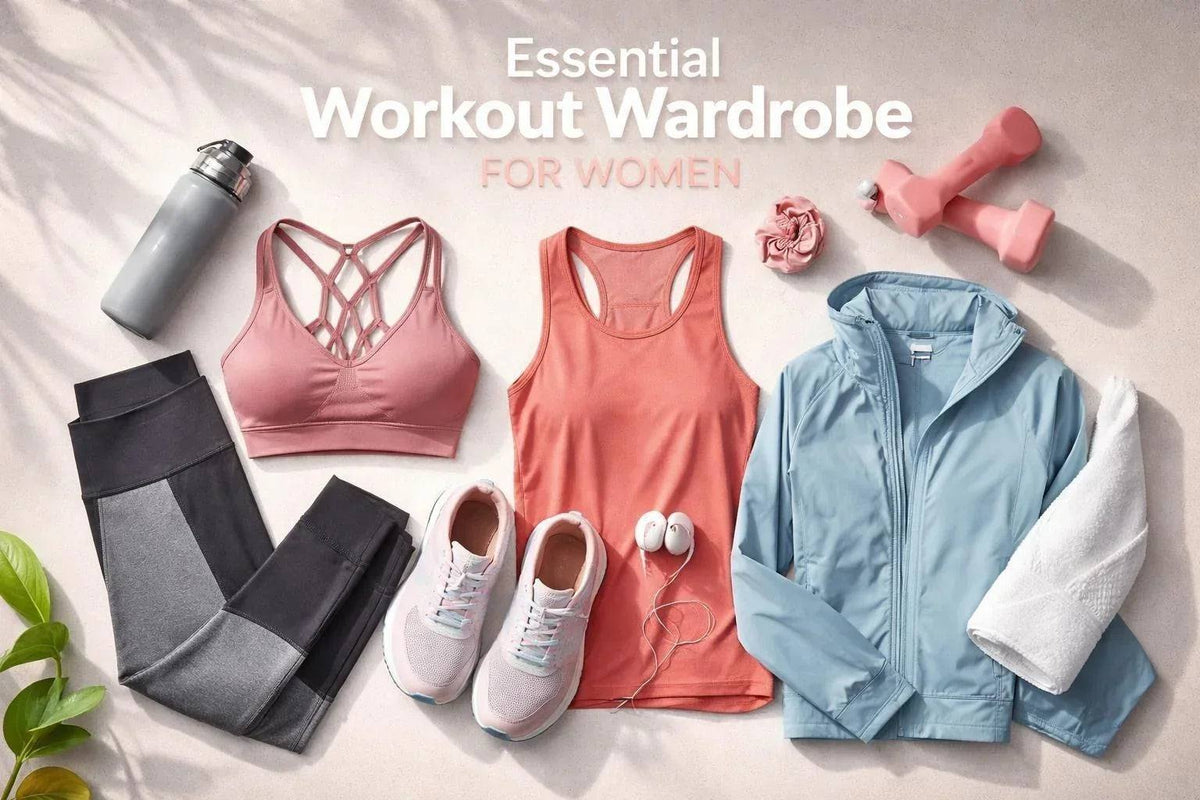
Performance-oriented sweatshirts prioritize moisture management and freedom of movement. Look for materials incorporating polyester or advanced synthetic fibers that wick perspiration away from skin. Flatlock seams reduce chafing during repetitive motions. For those building comprehensive athletic wardrobes, coordinating with quality workout clothes creates cohesive training outfits.
Raglan sleeves enhance shoulder mobility for activities requiring overhead arm movement. Longer back hems prevent exposure during bending and stretching. Reflective elements improve visibility for outdoor training during low-light conditions.
Casual Everyday Wear
Casual sweatshirts balance comfort with presentable appearance. Medium-weight fabrics provide year-round versatility for indoor and moderate outdoor temperatures. Neutral colors like gray, navy, and black offer maximum outfit coordination flexibility.
Graphics, patterns, and unique designs transform basic all sweatshirts into personal style statements. For those seeking distinctive options, designs like the Cosmic Kraken Hoodie demonstrate how creative prints elevate casual sweatshirts beyond basic staples. This type of eye-catching all-over print hoodie merges artistic expression with comfortable wear, perfect for making casual outfits memorable.

Professional and Business Casual Settings
The evolving workplace dress code increasingly accepts quality sweatshirts in appropriate contexts. Quarter-zip styles in solid colors present polished appearances suitable for casual Fridays and creative industry environments. Avoid excessive graphics, distressing, or athletic branding in professional settings.
Layering sweatshirts under blazers or sport coats creates smart-casual combinations. Choose fitted or regular cuts rather than oversized silhouettes for professional contexts. Premium materials like merino wool blends elevate sweatshirts into acceptable business casual territory.
Seasonal Sweatshirt Selection
Climate and seasonal conditions influence appropriate sweatshirt weights and features. Understanding these relationships helps build functional wardrobes for year-round use.
Spring and Fall Transitional Wear
Lightweight to midweight all sweatshirts excel during transitional seasons when temperatures fluctuate throughout the day. Layer over t-shirts for morning chill, then wear alone as afternoons warm. Breathable cotton blends prevent overheating while providing adequate warmth.
Three-season sweatshirts typically weigh 6-9 ounces per square yard. This range offers comfortable insulation without excessive bulk under jackets. Consider styles with ventilation features like partial zippers for temperature regulation.
Summer Lightweight Options
Even summer wardrobes benefit from lightweight sweatshirt options for air-conditioned environments, evening outdoor activities, and coastal climates. Ultra-lightweight materials around 4-6 ounces provide minimal insulation while protecting skin from sun exposure.
Short-sleeve sweatshirt styles bridge the gap between t-shirts and traditional long-sleeve designs. These variations maintain sweatshirt fabric qualities while increasing ventilation. Choose light colors that reflect rather than absorb solar radiation during outdoor summer wear.
Winter Heavyweight Choices
Cold weather demands heavyweight all sweatshirts constructed from thick fleece materials. Brushed interior surfaces trap body heat effectively. Layer under winter coats for extreme cold, or wear as outer layers during moderate winter conditions.
Thermal-lined sweatshirts incorporate additional insulation layers without excessive bulk. High collars and extended cuffs prevent heat loss at vulnerable areas. Some winter sweatshirts feature weather-resistant exterior treatments that repel light moisture.
Customization and Personalization Options
The blank canvas nature of sweatshirts makes them ideal for customization. Various decoration methods create personalized garments for individuals, teams, and organizations.
Printing Techniques
Screen printing remains the most cost-effective method for multiple all sweatshirts with identical designs. This technique produces durable, vibrant graphics suitable for washing and extended wear. Direct-to-garment (DTG) printing enables full-color photographic images and complex designs with minimal setup costs.
Heat transfer vinyl allows detailed text and simple graphics with excellent durability. Sublimation printing permanently embeds designs into polyester fabrics, creating seamless integration that never cracks or peels. Each method offers distinct advantages depending on design complexity, quantity, and budget considerations.
Embroidery Applications
Embroidered all sweatshirts project premium quality and professional appearance. The dimensional thread work creates texture and visual interest beyond flat printing methods. Corporate logos, team names, and monograms particularly benefit from embroidery's sophisticated presentation.
Placement options include left chest, full back, sleeves, and hoods. Thread color selection influences overall aesthetic impact. Metallic threads add luxury appeal, while tone-on-tone embroidery creates subtle sophistication.
Sustainable and Ethical Sweatshirt Options
Environmental and social consciousness increasingly influences purchasing decisions for all sweatshirts. Multiple approaches address sustainability concerns throughout garment lifecycles.
Organic and Recycled Materials
Organic cotton cultivation eliminates synthetic pesticides and fertilizers, reducing environmental impact. According to industry research, organic cotton production uses significantly less water than conventional methods. Recycled polyester diverts plastic bottles from landfills while requiring less energy than virgin polyester production.
Blended fabrics incorporating recycled content deliver performance characteristics similar to conventional materials. Look for certifications like Global Organic Textile Standard (GOTS) and Global Recycled Standard (GRS) verifying sustainability claims.
Ethical Manufacturing Practices
Fair labor standards ensure workers producing all sweatshirts receive safe conditions and fair compensation. Certifications like Fair Trade demonstrate commitment to ethical manufacturing. Domestic production often provides greater transparency regarding labor practices compared to international supply chains.
Brand transparency regarding factory locations and working conditions helps consumers make informed decisions. Some companies publish detailed supplier information and conduct regular third-party audits verifying compliance with ethical standards.
Color Psychology and Selection
Color choices for all sweatshirts communicate subtle messages while influencing mood and perception. Strategic color selection enhances personal style and functional performance.
Neutral Foundation Colors
Black, gray, navy, and white sweatshirts provide maximum wardrobe versatility. These neutrals coordinate with virtually any other colors, simplifying outfit creation. Dark neutrals conceal minor stains better than light shades, practical for everyday wear.
Heathered variations of neutral colors add visual texture without limiting coordination flexibility. Charcoal heather, navy heather, and oatmeal heather create subtle interest while maintaining neutral functionality.
Bold and Vibrant Choices
Bright colors inject energy and personality into casual wardrobes. Red sweatshirts project confidence and attract attention. Blue shades convey calmness and reliability. Green tones suggest nature connection and balance.
Seasonal color trends influence available options, but personal preference should guide selection. Choose colors that complement your natural coloring and existing wardrobe rather than following temporary trends.
Shopping Strategies for All Sweatshirts
Efficient shopping approaches help navigate the overwhelming variety of all sweatshirts available across retail channels. Strategic planning ensures satisfaction with purchases.
Online Versus In-Store Shopping
Online shopping provides access to extensive selections and competitive pricing. Detailed product descriptions, customer reviews, and size charts aid decision-making. However, inability to physically examine fabric quality and try sizes before purchase creates potential challenges.
Physical retail allows tactile assessment of materials and immediate size verification. Try multiple sizes to account for brand variation. Examine construction quality including seam strength, hem finishing, and hardware durability. Many shoppers combine approaches, researching online before purchasing in-store or vice versa.
Timing Purchases for Value
End-of-season sales offer significant discounts on all sweatshirts as retailers clear inventory. Purchase winter sweatshirts in late winter or early spring at reduced prices. Summer lightweight options become affordable in late summer and fall.
Holiday sales events including Black Friday and post-Christmas clearances provide opportunities for substantial savings. However, selection may be limited to remaining inventory. For current season needs at full price, buying early in the season ensures complete size and color availability.
Retailers like TeninoVentures maintain diverse sweatshirt selections year-round, offering everything from graphic designs to classic styles suitable for various preferences and occasions.
Understanding the materials, styles, care requirements, and selection criteria for all sweatshirts empowers you to build a versatile wardrobe suited to your lifestyle and preferences. Whether you prioritize athletic performance, casual comfort, or distinctive style, the right sweatshirts enhance your daily wardrobe while providing lasting value. Explore the diverse collection at TeninoVentures, where quality sweatshirts and hoodies meet creative designs, helping you find the perfect options that express your personal style while delivering the comfort and durability you expect.


Leave a comment
This site is protected by hCaptcha and the hCaptcha Privacy Policy and Terms of Service apply.