
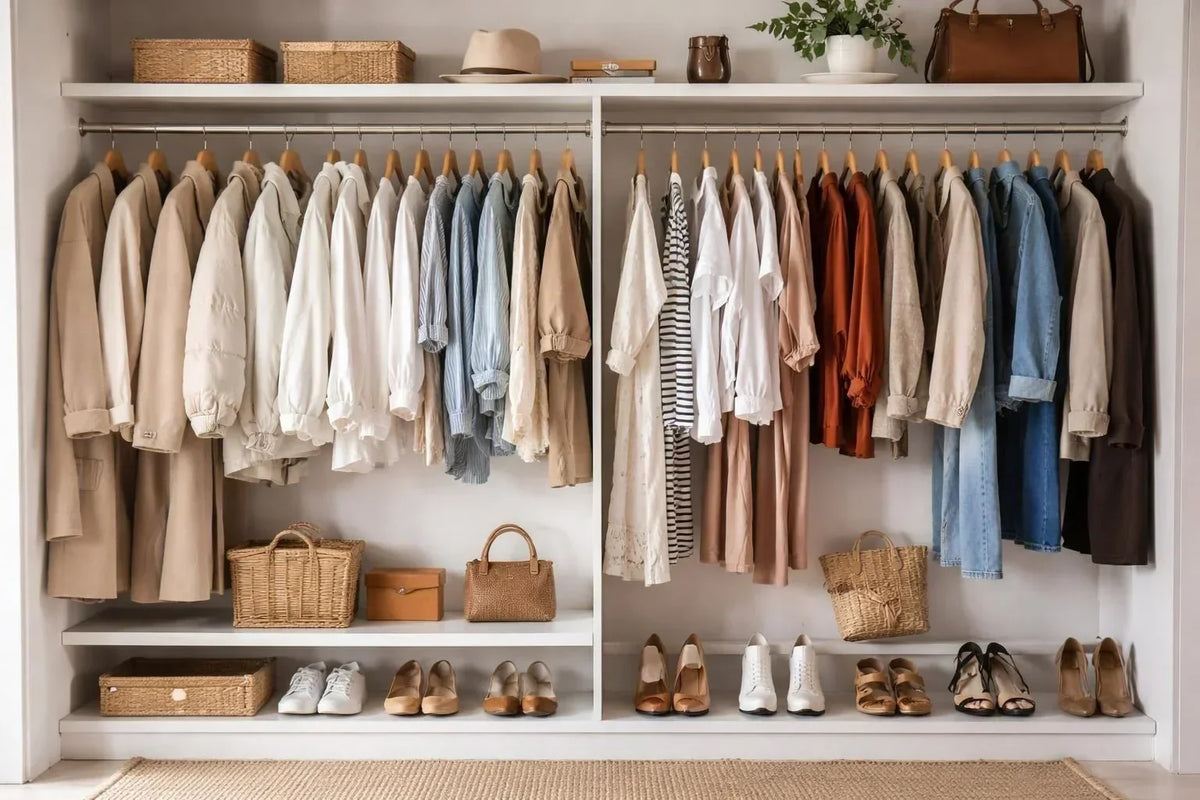
Women Clothes 2026 Style Guide Shopping Tips | Trendy Sustainable Fashion
Your phone goes everywhere with you. It’s the first thing you reach for in the morning, the last thing you put down at night, and the object most visible in your hands throughout the day. So why would your phone case be boring?
In recent years, phone cases have evolved from simple protective accessories into full-blown style statements. Today, people actively search for aesthetic phone cases, MagSafe tough cases, cute iPhone cases, Samsung Galaxy tough cases, and protective phone cases that reflect personality. Protection still matters but design, color, mood, and identity matter just as much.
At Teninoventures, phone cases are designed to do both: protect your device and express who you are. Whether you’re drawn to cosmic designs, modern minimalism, sparkly aesthetics, or bold seasonal energy, the phone case collection is built for people who want their everyday tech to feel intentional, stylish, and durable.
This guide explores why phone cases have become essential lifestyle accessories, how to choose the right one for your phone and personality, and why Teninoventures tough phone cases stand out in both design and performance.
Why Phone Cases Matter More Than Ever
Smartphones are expensive investments. With iPhones and Samsung Galaxy devices costing hundreds sometimes over a thousand, protecting your phone is no longer optional. Search trends show a constant rise in queries like:
- tough phone cases for iPhone
- MagSafe protective cases
- durable Samsung Galaxy phone cases
- shockproof aesthetic phone cases
But protection alone doesn’t explain why people own multiple phone cases and change them like outfits.
Phone cases have become part of personal branding. They’re visible in mirror selfies, desk setups, coffee shop tables, and social media content. The right case adds cohesion to your aesthetic, whether that’s soft and dreamy, bold and modern, playful and sparkly, or grounded and artistic.
Teninoventures understands that modern shoppers want protection with personality, not one or the other.
The Rise of MagSafe® Tough Cases: Function Meets Freedom
MagSafe technology has changed how people interact with their phones. From wireless charging to snap-on accessories, MagSafe compatibility is now a top search priority for iPhone users.
Teninoventures MagSafe® tough cases are designed for:
- Secure magnetic attachment
- Wireless charging compatibility
- Dual-layer protection against drops and impacts
- Slim profiles that don’t feel bulky
Cases like the Geometric Mandala Design MagSafe® Tough Case for iPhone® and the Cosmic Space Polycarbonate MagSafe Tough Case combine advanced protection with visually striking designs.
These cases appeal to users who want:
- Reliable everyday protection
- Seamless MagSafe functionality
- Designs that feel intentional and expressive
You’re no longer choosing between tech compatibility and style, you get both.
Artistic Expression Through Phone Case Design
Design-forward phone cases are one of the fastest-growing segments in mobile accessories. Shoppers increasingly search for art-inspired phone cases, modern aesthetic phone covers, and unique iPhone cases that don’t look mass-produced.
The Geometric Mandala Design MagSafe® Tough Case speaks to users who appreciate symmetry, balance, and spiritual or artistic patterns. Mandala-inspired designs often symbolize harmony and mindfulness, making them especially appealing to people drawn to intentional living and calm aesthetics.
On the other end of the spectrum, the Cosmic Space MagSafe Tough Case taps into fascination with the universe; stars, galaxies, and infinite space. Cosmic phone cases resonate with dreamers, creatives, and anyone who wants their phone to feel otherworldly and bold.
These designs don’t just protect your phone, they turn it into a canvas.
Soft, Modern, and Minimal: The Power of Color-Driven Phone Cases
Color plays a huge role in purchasing decisions. Searches for pink phone cases, purple iPhone cases, and modern aesthetic phone cases consistently trend upward.
Teninoventures’ modern color-based designs are perfect for shoppers who want subtle impact without loud graphics.
The Modern Purple MagSafe® Tough Case for iPhone® and the Modern Purple Tough Case for Samsung® Galaxy offer a clean, contemporary look that pairs effortlessly with minimalist outfits, neutral wardrobes, and curated desk setups.
Purple is often associated with creativity, calm, and individuality, making it a popular choice for users who want something unique without being overwhelming.
Meanwhile, the Pink Fiery Cloud Design MagSafe® Tough Case adds movement and energy. Its soft yet bold aesthetic appeals to users who love expressive designs that still feel cohesive and stylish.
These cases prove that simple color-focused designs can still feel powerful and intentional.
Sparkle, Playfulness, and Bratcore Energy
Not everyone wants subtle. Many shoppers actively search for sparkly phone cases, cute aesthetic phone cases, and pink statement phone covers that stand out instantly.
The Sparkly Pink Bratcore MagSafe® Tough Case for iPhone® and the Pink Sparkly Tough Case for Samsung® Galaxy Phones lean into playful confidence. These cases are bold, unapologetic, and perfect for users who love expressive fashion, pop aesthetics, and high-energy visuals.
Sparkly cases perform exceptionally well on social media because they:
- Catch light in photos and videos
- Add personality to mirror selfies
- Feel fun and mood-boosting
They’re especially popular among younger audiences, content creators, and anyone who treats their phone as part of their outfit.
Teninoventures ensures these playful designs don’t sacrifice durability, they’re still tough cases built for real-life use.
Seasonal Style: When Phone Cases Match the Moment
Seasonal phone cases are growing rapidly in popularity. Shoppers love updating accessories to match holidays, moods, and times of year.
The Cowboy Christmas Phone Case blends festive charm with western-inspired design, a unique combination that stands out during the holiday season. It appeals to users searching for:
- Christmas phone cases
- Western aesthetic accessories
- Unique holiday gifts
Seasonal designs like this perform well because they feel timely, giftable, and emotionally engaging. They’re perfect for holiday photos, festive outfits, and limited-time style updates.
Teninoventures uses seasonal design thoughtfully, ensuring cases feel collectible rather than disposable.
Choosing the Right Phone Case for Your Lifestyle
With so many options available, selecting the right phone case depends on how you use your device and what style message you want to communicate.
For Minimalists
Minimalist users often prefer clean colors, simple patterns, and understated designs. Modern Purple MagSafe® Tough Cases and other solid-color options provide protection while maintaining a refined aesthetic.
These cases work well for:
- Professional environments
- Neutral fashion styles
- Clean desk setups
- Users who prefer timeless designs
For Creatives and Artists
Creative personalities often gravitate toward artistic phone cases that reflect imagination and individuality.
Popular choices include:
- Cosmic and space-inspired designs
- Geometric artwork
- Abstract patterns
- Unique illustrated graphics
These cases turn everyday technology into a personal expression tool.
For Trend-Focused Users
Trend-conscious shoppers often look for cases that match current aesthetics, fashion movements, and social media styles.
Popular categories include:
- Bratcore-inspired designs
- Sparkly and playful cases
- Seasonal collections
- Bold color statements
These styles allow users to refresh their phone appearance the same way they update clothing and accessories.
Protection Features That Matter
While aesthetics attract buyers, protection determines long-term satisfaction. A stylish phone case must still perform during everyday use.
Important protection features include:
- Shock absorption: Helps protect against accidental drops and impacts
- Raised edges: Adds protection around screens and camera lenses
- Durable materials: Supports long-term everyday usage
- Precise cutouts: Maintains access to buttons, ports, and cameras
- Wireless charging support: Keeps modern charging convenience intact
Teninoventures tough phone cases combine protective construction with designs that feel personal and expressive.
Why People Own Multiple Phone Cases
Phone cases have become similar to fashion accessories. Many users own multiple cases and rotate them depending on:
- Outfit choices
- Seasons
- Moods
- Events
- Personal aesthetics
Just as someone might own different shoes or handbags, multiple phone cases allow daily customization without changing the device itself.
This shift explains why aesthetic phone cases continue growing in popularity. They provide an affordable way to refresh personal style while maintaining essential protection.
The Future of Phone Case Design
Phone accessories will continue moving toward greater personalization, stronger functionality, and more artistic expression.
Future trends are likely to include:
- More customizable designs
- Advanced protective materials
- Greater integration with smart accessories
- Expanded artistic collaborations
- More sustainable production methods
The phone case is no longer just an accessory. It has become part of how people present themselves to the world.
Final Thoughts: Your Phone, Your Style Statement
Phone cases have moved far beyond basic protection. They now represent personality, creativity, lifestyle, and personal taste.
Whether you prefer the calm sophistication of modern minimalism, the artistic energy of cosmic designs, the playful confidence of sparkly aesthetics, or the seasonal excitement of themed collections, the right phone case helps your device feel like it belongs to you.
Teninoventures creates phone cases that balance protection, durability, and visual expression. From MagSafe® tough cases for iPhone® users to Samsung® Galaxy protective designs, each collection is built for people who want their technology to reflect their personality.
Your phone is always with you. Your case should say something about you.


Leave a comment
This site is protected by hCaptcha and the hCaptcha Privacy Policy and Terms of Service apply.