
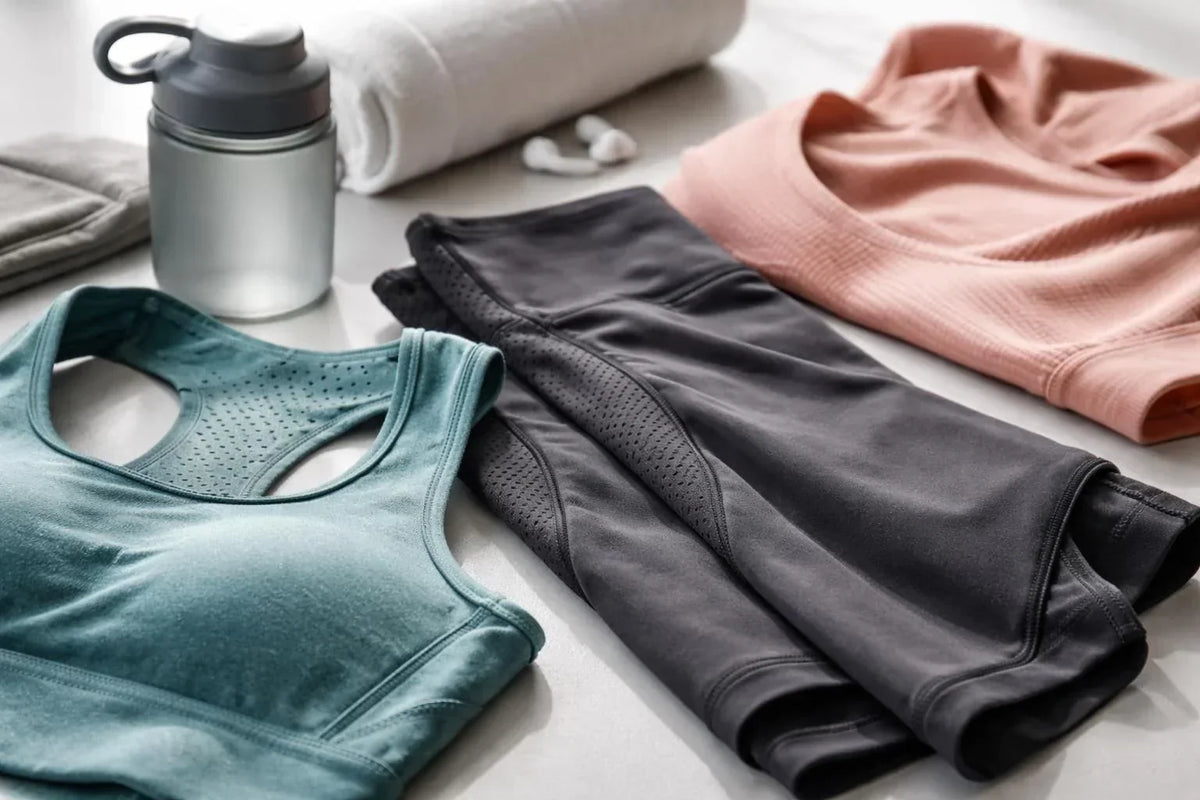
Gym Clothes Apparel: Performance Style Guide 2026 | Top Trends Fabrics
The fitness industry has transformed dramatically over the past decade, and nowhere is this more evident than in the evolution of gym clothes apparel. What was once a simple combination of cotton t-shirts and basic shorts has become a sophisticated category of performance-driven clothing that combines cutting-edge fabric technology, ergonomic design, and fashion-forward aesthetics. Whether you're a dedicated athlete, a casual gym-goer, or someone building an online retail presence in the activewear market, understanding the nuances of gym clothes apparel can make a significant difference in both performance outcomes and customer satisfaction.
The Foundation of Quality Gym Clothes Apparel
Modern gym clothes apparel represents a convergence of textile science, athletic performance research, and consumer lifestyle preferences. The foundation of any quality piece starts with fabric selection, which determines everything from moisture management to durability.
Technical Fabrics That Define Performance
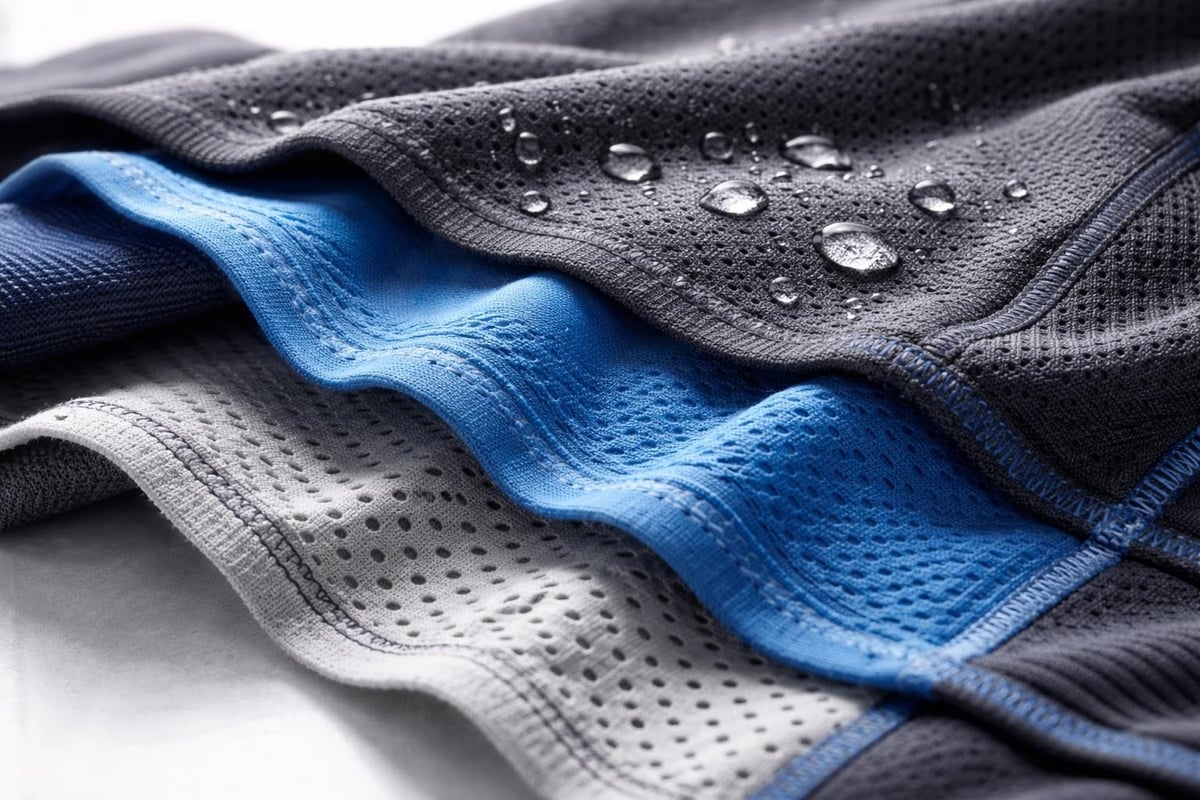
Today's gym clothes apparel relies heavily on synthetic materials engineered specifically for athletic performance. Polyester blends dominate the market due to their exceptional moisture-wicking capabilities, allowing sweat to evaporate quickly rather than saturating the fabric. Nylon adds durability and stretch, while spandex or elastane provides the flexibility needed for dynamic movements.
Key fabric technologies include:
- Moisture-wicking polyester that pulls sweat away from skin
- Four-way stretch materials allowing movement in all directions
- Anti-microbial treatments preventing odor buildup
- Compression fabrics supporting muscle recovery
- Breathable mesh panels enhancing ventilation
The rise of sustainable materials has also reshaped the gym clothes apparel landscape. Companies like Harvest SPF Textile Co. are pioneering eco-friendly activewear using recycled polyester, organic cotton blends, and innovative bamboo fibers that maintain performance while reducing environmental impact.
Construction Techniques That Matter
Beyond fabric choice, the construction of gym clothes apparel determines longevity and comfort during intense physical activity. Flatlock seams reduce chafing during repetitive movements, while strategically placed panels accommodate natural body mechanics. Reinforced stitching at stress points like waistbands and shoulder seams prevents premature wear.
| Construction Feature | Purpose | Benefit |
|---|---|---|
| Flatlock seams | Minimize friction | Prevents chafing during movement |
| Gusset panels | Enhance mobility | Allows full range of motion |
| Bonded hems | Reduce bulk | Creates streamlined silhouette |
| Reinforced stitching | Increase durability | Extends garment lifespan |
Categories and Applications of Gym Clothes Apparel
The gym clothes apparel market segments into distinct categories based on activity type, intensity level, and environmental conditions. Understanding these divisions helps both consumers select appropriate gear and retailers curate effective product collections.
Training and High-Intensity Wear
For activities like HIIT training, CrossFit, or boot camp classes, gym clothes apparel must withstand explosive movements and heavy perspiration. These garments typically feature maximum breathability, compression elements for muscle support, and durable construction. For those seeking vibrant options that stand out during intense sessions, colorful leggings with moisture-wicking properties combine functionality with personal expression.
Essential high-intensity pieces include:
- Compression shorts or tights with secure waistbands
- Performance tank tops with mesh ventilation
- Supportive sports bras with multi-directional structure
- Quick-dry shirts with anti-odor technology
- Lightweight training jackets for warm-ups
The intersection between men's gym clothing and modern design principles has created a new standard where performance, comfort, and style work together seamlessly rather than competing priorities.
Yoga and Low-Impact Activewear
Yoga-specific gym clothes apparel prioritizes flexibility, comfort, and non-restrictive movement. Fabrics tend to be softer with less compression, allowing for deep stretching and floor work without bunching or sliding. Fit becomes crucial, as practitioners need coverage during inversions while maintaining breathability during flowing sequences.
These pieces often transition well from studio to street, reflecting the lifestyle-driven approach many consumers take toward activewear. The trendy clothing collection concept has expanded to include versatile activewear that serves multiple purposes throughout the day.
Strategic Sourcing and Product Development
For retailers entering the gym clothes apparel market, sourcing decisions directly impact product quality, profit margins, and brand positioning. The manufacturing landscape offers various approaches, each with distinct advantages and considerations.
Understanding Supply Chain Options
Many retailers source gym clothes apparel through established wholesale channels or direct manufacturing relationships. The comprehensive framework for sourcing gym clothes from international suppliers emphasizes verification processes and quality control measures essential for maintaining consistency.
Sourcing strategy comparison:
| Approach | Advantages | Considerations |
|---|---|---|
| Domestic manufacturing | Quality control, faster shipping | Higher production costs |
| International wholesale | Lower costs, established products | Longer lead times, MOQ requirements |
| Print-on-demand | No inventory risk, customization | Limited fabric options, higher per-unit costs |
| Direct manufacturer | Maximum control, custom development | Requires larger investment, complexity |
Retailers like TeninoVentures balance multiple sourcing approaches, combining wholesale relationships for core items with specialized manufacturing for unique pieces. Their workout clothes collection demonstrates how curated selection across various activity types serves diverse customer needs.
Product Development Considerations
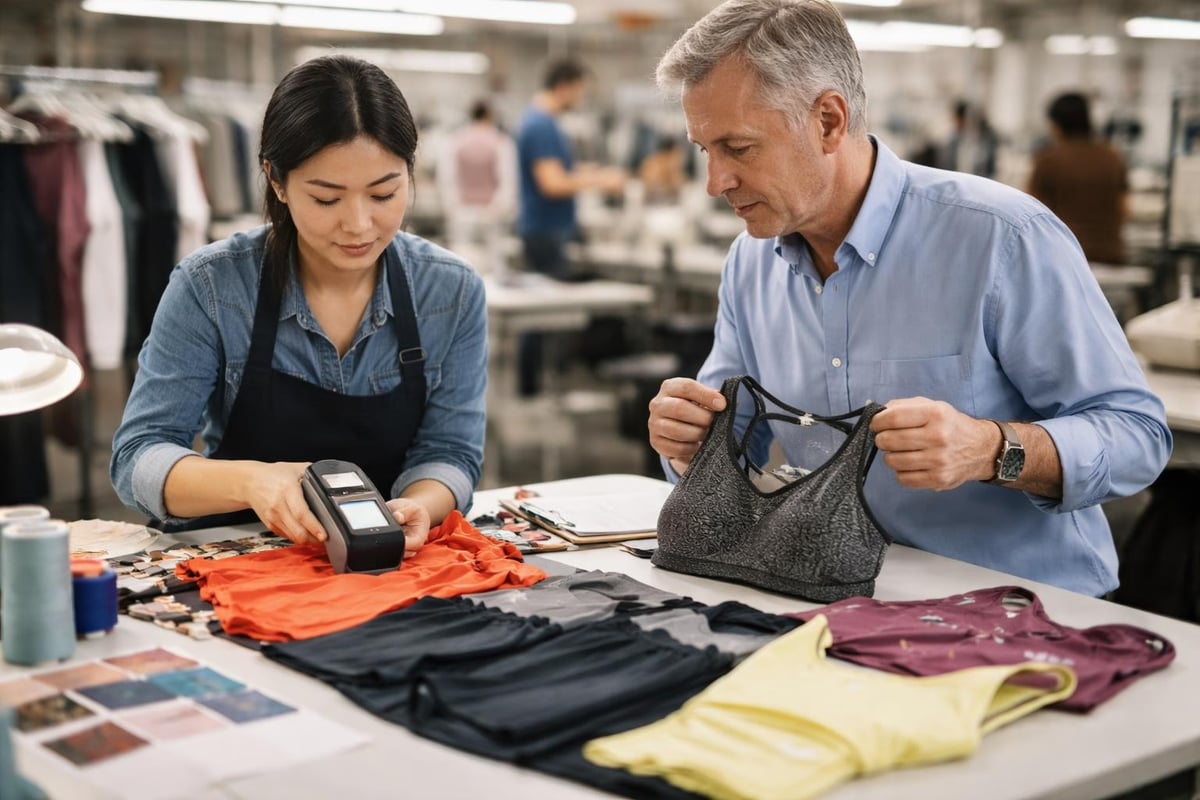
Successful gym clothes apparel development requires understanding both technical requirements and market trends. Testing prototypes under actual workout conditions reveals issues that wouldn't appear in standard quality checks-seam strength during squats, waistband security during running, or fabric opacity during stretching.
Market research tools and customer feedback loops inform decisions about everything from color palettes to sizing ranges. The rise of inclusive sizing has pushed brands to extend beyond traditional size ranges, recognizing that athletic bodies come in diverse shapes and proportions.
Market Trends Shaping Gym Clothes Apparel
The activewear industry continues evolving rapidly, driven by changing consumer preferences, technological innovations, and cultural shifts around fitness and wellness. Companies like Gymshark have demonstrated how social media marketing and community building can transform gym clothes apparel from functional necessities into lifestyle statements.
Athleisure and Versatility
The boundary between gym clothes apparel and everyday fashion has blurred considerably. Consumers increasingly expect pieces that transition seamlessly from workout to errands to casual social settings. This demand has elevated design sophistication while maintaining technical performance standards.
Features supporting versatility include:
- Elevated aesthetics with clean lines and subtle branding
- Neutral color palettes mixing with casual wardrobes
- Packable materials for travel convenience
- Wrinkle-resistant fabrics maintaining appearance
- Flattering cuts appropriate beyond athletic contexts
Technology Integration
Smart fabrics and wearable technology integration represent the cutting edge of gym clothes apparel development. Temperature-regulating materials respond to body heat, biometric sensors embedded in compression wear track performance metrics, and UV-protective fabrics enable outdoor training.
While these innovations currently occupy premium price points, increasing adoption and manufacturing efficiency continue making them more accessible. Specialized cycling gear manufacturers like Cycling Gears Hub demonstrate how sport-specific requirements drive technological advancement that eventually benefits broader activewear categories.
Consumer Shopping Strategies and Retail Implications
Understanding how consumers approach purchasing gym clothes apparel helps retailers optimize product selection, pricing strategies, and marketing approaches. Shopping behavior varies significantly based on experience level, budget constraints, and fitness commitment.
Value-Conscious Purchasing
Budget-conscious consumers employ various strategies when building gym wardrobes. Research into smart ways to score deals on gym clothes reveals timing patterns around seasonal sales, utilizing digital coupons, and prioritizing versatile pieces that serve multiple purposes.
Effective shopping tactics include:
- Shopping end-of-season clearances for next year
- Subscribing to retailer emails for exclusive discounts
- Comparing prices across multiple platforms
- Investing in quality basics, experimenting with trend pieces
- Exploring wholesale platforms for bulk purchases
Retailers can support value-conscious shoppers through transparent pricing, loyalty programs, and clear communication about quality differences justifying price variations. The best selling products page approach helps guide customers toward proven performers within budget constraints.
Quality Assessment Skills
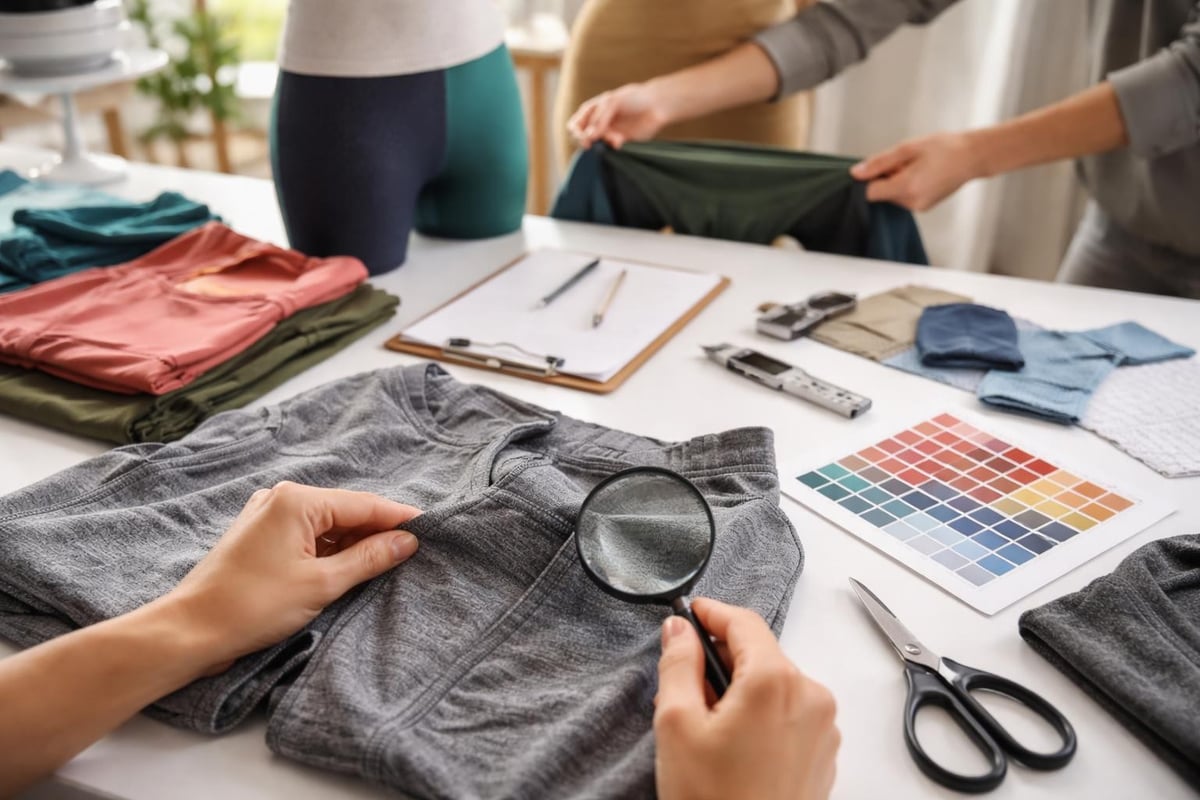
Educated consumers evaluate gym clothes apparel beyond initial appearance, examining construction details, fabric composition, and care requirements. Understanding denier counts in leggings, checking seam finishing quality, and testing fabric recovery after stretching all indicate garment longevity.
Retailers serve customers by providing detailed product information including fabric content percentages, care instructions, fit guides, and transparency about manufacturing origins. Customer reviews and detailed photography showing garments in action build confidence in online purchasing decisions.
Building a Successful Gym Clothes Apparel Business
Online retailers entering the activewear market face both opportunities and challenges in an increasingly competitive landscape. Success requires differentiating through product selection, customer experience, or niche specialization.
Niche Positioning Strategies
Rather than competing directly with established athletic brands, many successful retailers identify underserved market segments. This might include plus-size activewear, modest athletic clothing, adaptive fitness wear for disabilities, or sport-specific apparel for emerging activities.
TeninoVentures demonstrates niche positioning through specialized collections like Christian faith clothing and inspirational clothing, creating unique value propositions that resonate with specific customer communities while maintaining broader appeal through quality basics.
Community building has become essential for activewear retailers. Platforms like Talk Shop provide eCommerce merchants with peer support, technical guidance, and strategic insights that prove invaluable when navigating complex decisions around inventory management, conversion optimization, and scaling operations.
Content Marketing and Education
Educational content establishes authority and builds customer trust. Articles addressing fit guides, workout outfit coordination, fabric care instructions, and activity-specific gear recommendations serve both SEO objectives and genuine customer needs. The TeninoVentures blog exemplifies how consistent content creation supports discovery and engagement.
Video content showing garments in motion, demonstrating stretch and recovery, and featuring real customers across body types addresses primary online shopping concerns. User-generated content from customers wearing products during actual workouts provides authentic social proof more powerful than professional photography alone.
Sustainability and Ethical Production
Environmental consciousness increasingly influences purchasing decisions in the gym clothes apparel category. Consumers seek transparency about manufacturing conditions, material sourcing, and end-of-life garment disposal.
Material Innovation and Circularity
Recycled polyester from post-consumer plastic bottles has become mainstream in performance fabrics, offering environmental benefits without compromising technical properties. Closed-loop manufacturing systems recapture production waste, while biodegradable synthetic alternatives begin emerging for specific applications.
Sustainable material options:
- Recycled polyester reducing petroleum dependence
- Organic cotton minimizing pesticide use
- Tencel and modal from sustainable forestry
- Recycled nylon from fishing nets and carpets
- Plant-based alternatives to traditional synthetics
Brands communicating sustainability credentials effectively provide specific data-percentage of recycled content, water savings compared to conventional production, or carbon offset programs-rather than vague environmental claims.
Ethical Manufacturing Transparency
Labor conditions in garment production have received increased scrutiny, with consumers demanding assurance that gym clothes apparel isn't produced through exploitation. Certifications like Fair Trade, WRAP, or SA8000 provide third-party verification of ethical practices.
Retailers should understand their supply chains sufficiently to answer questions about factory conditions, worker compensation, and compliance with labor regulations. This transparency builds brand trust and differentiates conscientious businesses in crowded markets.
Maximizing Performance Through Proper Selection
Helping customers choose appropriate gym clothes apparel for their specific activities enhances satisfaction and reduces returns. Different exercises place distinct demands on clothing, requiring guidance beyond general activewear categories.
Activity-Specific Recommendations
Running demands lightweight, highly breathable fabrics with reflective elements for outdoor training. Cycling requires padding in strategic locations and longer backs preventing exposure. Weightlifting benefits from less compression allowing maximum range of motion, while spin classes need maximum moisture management in confined spaces.
A comprehensive selection like those found in specialized workout clothes collections addresses these varying needs through thoughtful curation rather than overwhelming options.
Fit and Sizing Considerations
Proper fit significantly impacts both performance and comfort in gym clothes apparel. Compression pieces should feel snug without restricting circulation, sports bras require support without creating pressure points, and waistbands must stay secure during movement without digging uncomfortably.
Detailed size charts including body measurements, fit models showing various body types, and clear return policies reduce sizing anxiety in online shopping. Many successful retailers offer quiz tools helping customers identify appropriate fits based on activity types, body preferences, and coverage priorities.
Seasonal Adaptations and Layering Systems
Gym clothes apparel requirements shift dramatically across seasons and training environments. Building versatile layering systems allows year-round training comfort without excessive wardrobe expansion.
Cold Weather Training Solutions
Winter workouts demand moisture management combined with insulation-a challenging combination requiring specialized fabrics and construction. Base layers trap warmth while wicking sweat, mid-layers provide insulation without bulk, and outer shells protect from wind and precipitation while allowing vapor escape.
Effective cold-weather layering:
- Moisture-wicking base layer against skin
- Insulating mid-layer (fleece or down alternative)
- Wind-resistant outer shell with ventilation
- Accessories protecting extremities (gloves, headbands)
- Reflective elements for low-light visibility
Hot Weather Performance Gear
Summer training prioritizes maximum breathability and UV protection. Lightweight, loose-fitting options promote airflow, while technical fabrics dry rapidly. Light colors reflect heat, and extended coverage protects skin from sun exposure during outdoor activities.
The seasonal clothing collection approach helps customers navigate changing requirements without maintaining separate wardrobes for each activity across all seasons.
Future Directions in Gym Clothes Apparel
Emerging technologies and evolving consumer preferences continue reshaping the activewear landscape. Retailers staying informed about industry developments position themselves to capitalize on new opportunities.
Customization and Personalization
On-demand manufacturing enables customization previously available only through custom orders. Digital printing allows individual design variations, while body scanning technology promises truly personalized fit. These capabilities support both individual expression and practical needs like accommodating specific body proportions.
Print-on-demand clothing operations eliminate inventory risk while offering unique designs, though they require careful quality control ensuring performance standards match conventional manufacturing.
Recovery and Wellness Integration
Post-workout recovery wear incorporating compression gradients, cooling technologies, or therapeutic elements represents growing market segments. As fitness culture embraces holistic wellness including recovery, sleep optimization, and stress management, gym clothes apparel expands beyond active training into comprehensive lifestyle support.
The integration of these various trends-sustainability, technology, customization, and wellness-creates opportunities for retailers who can navigate complexity while maintaining focus on fundamental customer needs: quality, fit, performance, and value.
Choosing the right gym clothes apparel requires balancing performance requirements, personal style preferences, and budget considerations across activities and seasons. Whether you're building a fitness wardrobe or curating products for customers, understanding fabric technologies, construction quality, and activity-specific needs ensures satisfaction and success. TeninoVentures offers carefully selected workout wear alongside versatile clothing and accessories that transition seamlessly between active pursuits and everyday life, helping you perform your best while expressing your unique style.


Leave a comment
This site is protected by hCaptcha and the hCaptcha Privacy Policy and Terms of Service apply.