
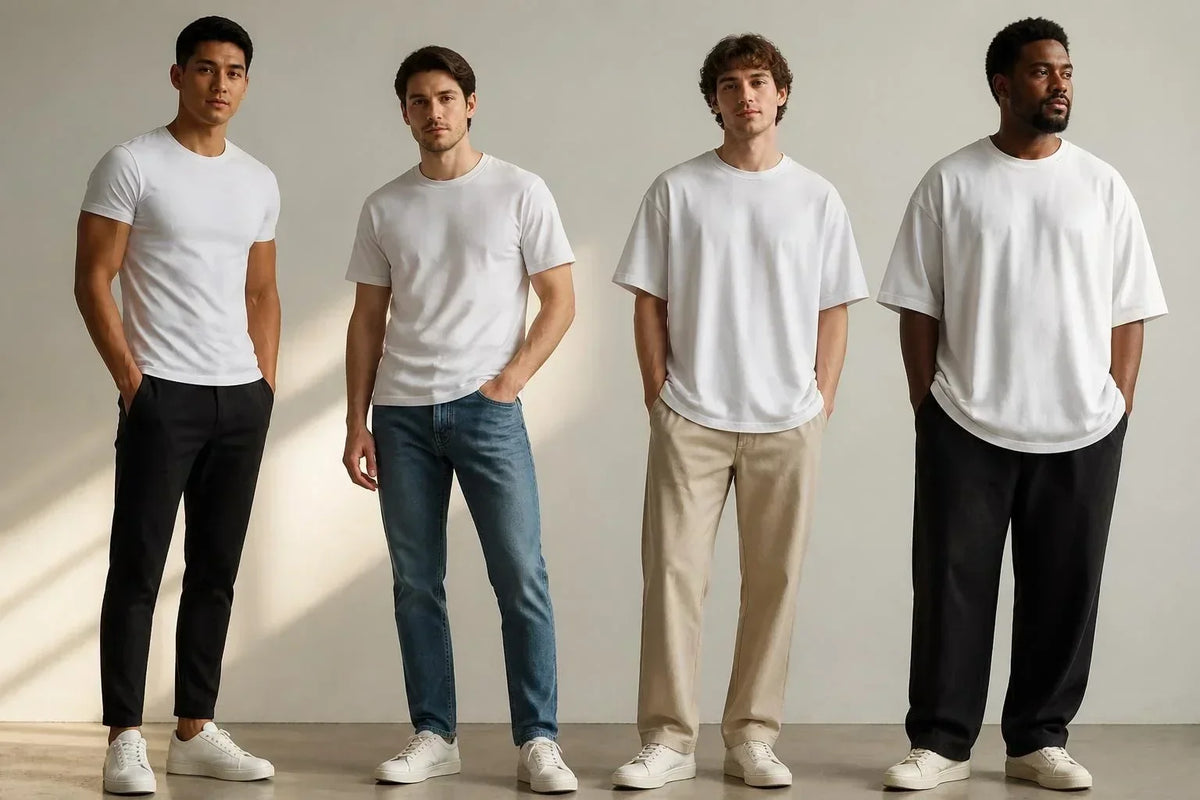
In Shape T Shirt: Fit, Fabric & Style Guide 2026
Finding the perfect in shape t shirt transforms your entire wardrobe experience. The right fit enhances your natural silhouette, provides all-day comfort, and creates a foundation for countless outfit combinations. Whether you're building a capsule wardrobe, upgrading your casual wear, or searching for versatile pieces that transition seamlessly from workouts to weekend plans, understanding how t-shirt fits, fabrics, and construction affect your appearance is essential for making informed purchasing decisions.
Understanding T-Shirt Fit Categories
The foundation of an in shape t shirt begins with understanding the various fit categories available in 2026. Modern apparel design has evolved beyond the traditional small, medium, and large sizing to include specific fit profiles that address different body types and style preferences.
Athletic and Slim Fit Options
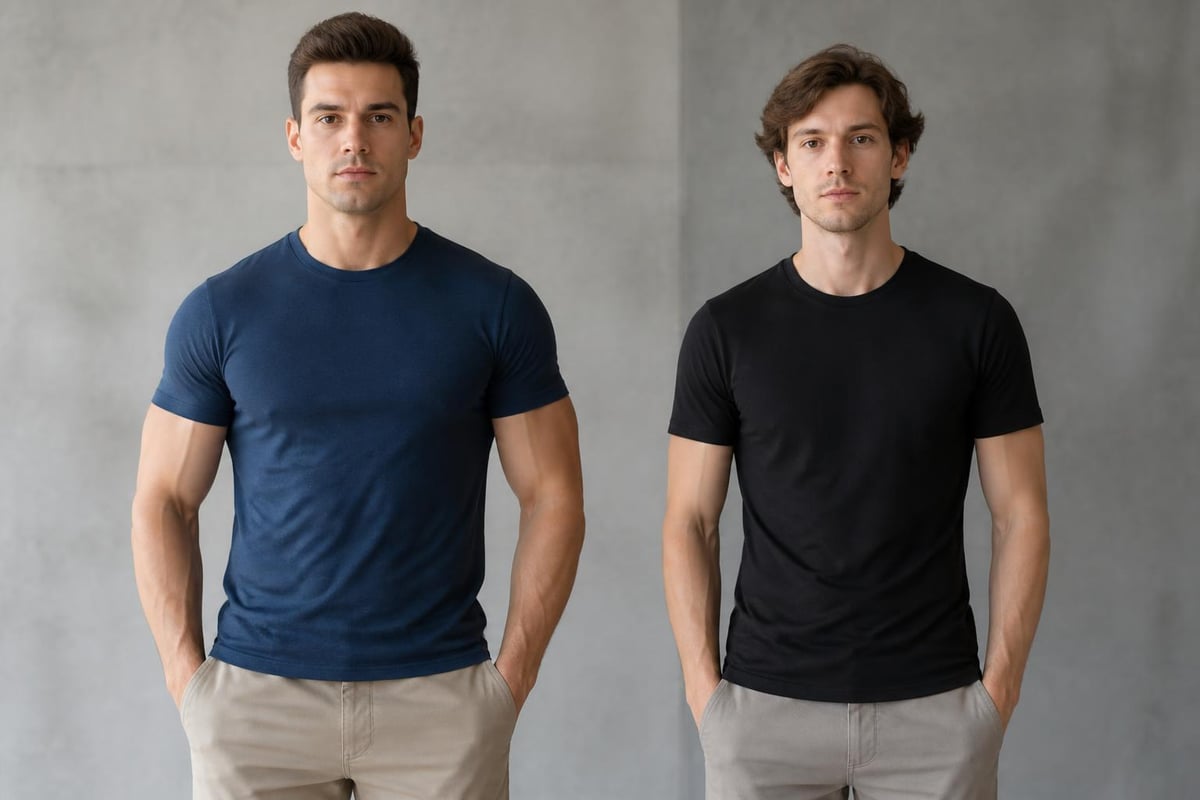
Athletic fit t-shirts are engineered for individuals with broader shoulders and chest measurements relative to their waist. This silhouette accommodates muscular builds without excess fabric bunching around the midsection. The different t-shirt fits available today include variations that taper gradually from chest to hem, creating a streamlined appearance that emphasizes natural proportions.
Key characteristics of athletic fit include:
- Structured shoulder seams that align with natural shoulder width
- Contoured side seams that follow body curves
- Adequate chest room without balloon effect
- Tapered waist to eliminate excess fabric
Slim fit t-shirts offer a more contemporary aesthetic with closer body alignment throughout the entire garment. These shirts work exceptionally well for lean or average builds, creating clean lines that layer smoothly under jackets, cardigans, or overshirts.
Relaxed and Oversized Silhouettes
Relaxed fit represents the middle ground between fitted and oversized options. This versatile choice provides comfortable movement without clinging to the body, making it ideal for casual everyday style across various settings. The relaxed in shape t shirt typically features:
- Dropped shoulder seams for ease of movement
- Straight body lines from chest to hem
- Generous armhole construction
- Medium-length hem that covers the waistband
Oversized fits have gained significant traction in contemporary fashion, offering a deliberately loose silhouette that creates visual interest through proportional contrast. When styled intentionally, oversized t-shirts can balance fitted bottoms or create layered looks that communicate effortless sophistication.
| Fit Type | Best For | Key Feature | Style Benefit |
|---|---|---|---|
| Athletic | Muscular builds | Tapered waist | Emphasizes proportions |
| Slim | Lean frames | Close fit | Modern, layerable |
| Relaxed | All body types | Straight cut | Versatile comfort |
| Oversized | Fashion-forward | Loose silhouette | Statement piece |
Fabric Selection for Performance and Comfort
The fabric composition of your in shape t shirt directly impacts how it drapes on your body, maintains its shape through wear and washing, and performs across different activities and climates.
Natural Fiber Options
Cotton remains the most popular choice for t-shirt construction due to its breathability, softness, and natural feel against skin. However, different types of t-shirt fabrics offer varying benefits that affect both appearance and longevity.
Combed ring-spun cotton represents premium cotton construction where fibers are combed to remove short strands and spun into fine, strong yarn. This process creates a smoother surface, reduced pilling, and enhanced durability compared to standard cotton.
Organic cotton appeals to environmentally conscious consumers seeking sustainable wardrobe options. This material is grown without synthetic pesticides or fertilizers, offering the same comfort as conventional cotton while supporting agricultural practices with lower environmental impact.
Pima and Supima cotton varieties feature extra-long staple fibers that produce exceptionally soft, strong, and color-retentive fabrics. These premium options maintain their shape better and resist fading through multiple wash cycles.
Synthetic and Blended Materials
Performance-oriented in shape t shirt options frequently incorporate synthetic fibers or blends that enhance specific characteristics. Polyester adds durability, moisture-wicking properties, and wrinkle resistance, making it popular for athletic applications and travel wear.
Cotton-polyester blends combine the comfort of natural fibers with the performance benefits of synthetics. Common ratios include 50/50, 60/40, and tri-blends (cotton/polyester/rayon) that balance softness, durability, and drape.
Rayon and modal, both regenerated cellulose fibers, contribute exceptional drape and silky feel to blended fabrics. These materials help t-shirts conform to body contours while maintaining a luxurious hand feel that elevates casual pieces beyond basic status.
- Moisture-wicking blends: Ideal for active lifestyles and warm climates
- Tri-blend fabrics: Superior drape and vintage-inspired aesthetics
- Performance knits: Structured yet breathable for all-day wear
- Bamboo blends: Sustainable option with natural antimicrobial properties
Construction Details That Affect Fit
Beyond fabric and general silhouette, specific construction techniques significantly influence how an in shape t shirt conforms to your body and maintains its appearance over time.
Neckline and Collar Construction
The neckline serves as the visual anchor for any t-shirt, drawing attention to the face and upper body. Crew necks remain the classic choice, offering versatility that works across casual and semi-casual contexts. The collar ribbing quality determines whether the neckline maintains its circular shape or stretches out after multiple wearings.
V-necks create vertical lines that elongate the neck and can visually balance broader shoulders or fuller faces. Depth matters considerably, with shallow v-necks offering subtle variation while deeper cuts make bolder style statements.
Henley variations incorporate button plackets that add visual interest and functional versatility, allowing wearers to adjust neckline depth based on preference or layering needs.
Sleeve and Hem Finishing
Sleeve length and construction affect both comfort and appearance. Set-in sleeves create defined shoulder lines that work well for athletic and slim fits, while raglan sleeves offer increased mobility and a sportier aesthetic suitable for relaxed fits.
Hem construction influences how an in shape t shirt sits at the waist. Side slits provide additional movement and create a modern silhouette, while curved hems offer increased back coverage without adding visual bulk.
Body Type Considerations
Selecting an in shape t shirt that complements your specific body type involves understanding proportions and using fit strategically to achieve balanced appearance.
Broader Build Recommendations
Individuals with broader shoulders, chest, or midsection benefit from specific fit considerations. Athletic fits accommodate muscular development while maintaining clean lines. Avoid excessively tight fits that create pulling across stress points or overly loose options that add visual bulk.
Vertical elements such as chest stripes, seaming details, or elongated graphic placements help create length perception that balances width. Darker colors in solid or subtle patterns provide slimming effects without sacrificing style.
Lean Frame Strategies
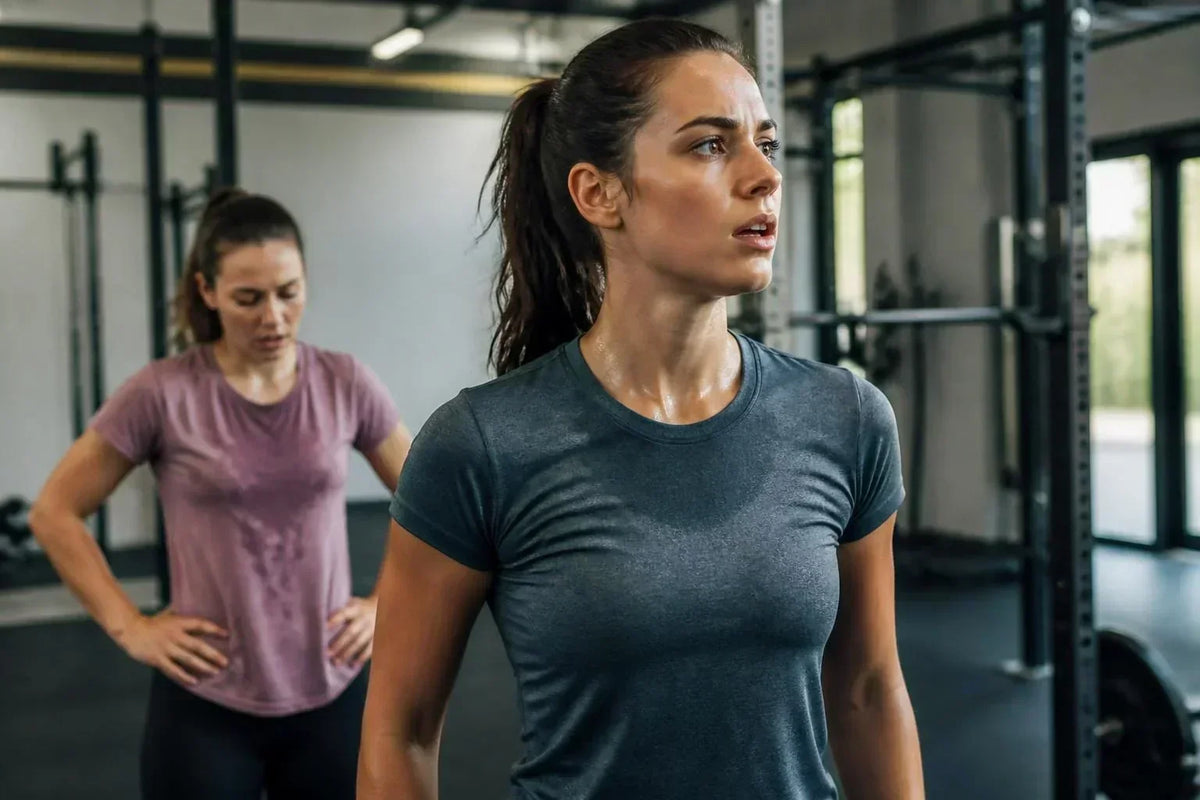
For those with gym wear preferences that extend to casual pieces, selecting fits that add visual dimension creates more balanced proportions. Layering slim or relaxed fits under open shirts, light jackets, or vests adds depth without overwhelming smaller frames.
Horizontal design elements, bold graphics, and lighter color palettes help create the perception of broader shoulders and chest. Avoid excessively oversized options that create tent-like silhouettes rather than intentional proportional contrast.
| Body Type | Recommended Fit | Avoid | Strategic Elements |
|---|---|---|---|
| Athletic/Muscular | Athletic, relaxed | Too tight or loose | Vertical lines, tapered cuts |
| Lean/Slim | Slim, fitted | Oversized, baggy | Horizontal details, layers |
| Average Build | All fits work | Extremes in either direction | Personal preference |
| Broader Midsection | Relaxed, structured | Clingy fabrics | Darker colors, quality drape |
Styling Your In Shape T Shirt
The versatility of a well-fitted t-shirt extends far beyond basic casual wear when you understand strategic styling principles.
Layering Techniques
An in shape t shirt serves as an ideal foundation for layered outfits. Slim and athletic fits layer smoothly under structured jackets, blazers, or cardigans without creating bulk. Choose complementary colors that create visual cohesion or strategic contrast that adds depth to your outfit.
Texture mixing elevates simple combinations. Pair a cotton t-shirt with denim, leather, or knit outerwear to create tactile interest that engages the eye. The graphic tees available in contemporary retail offer ready-made focal points when building layered looks.
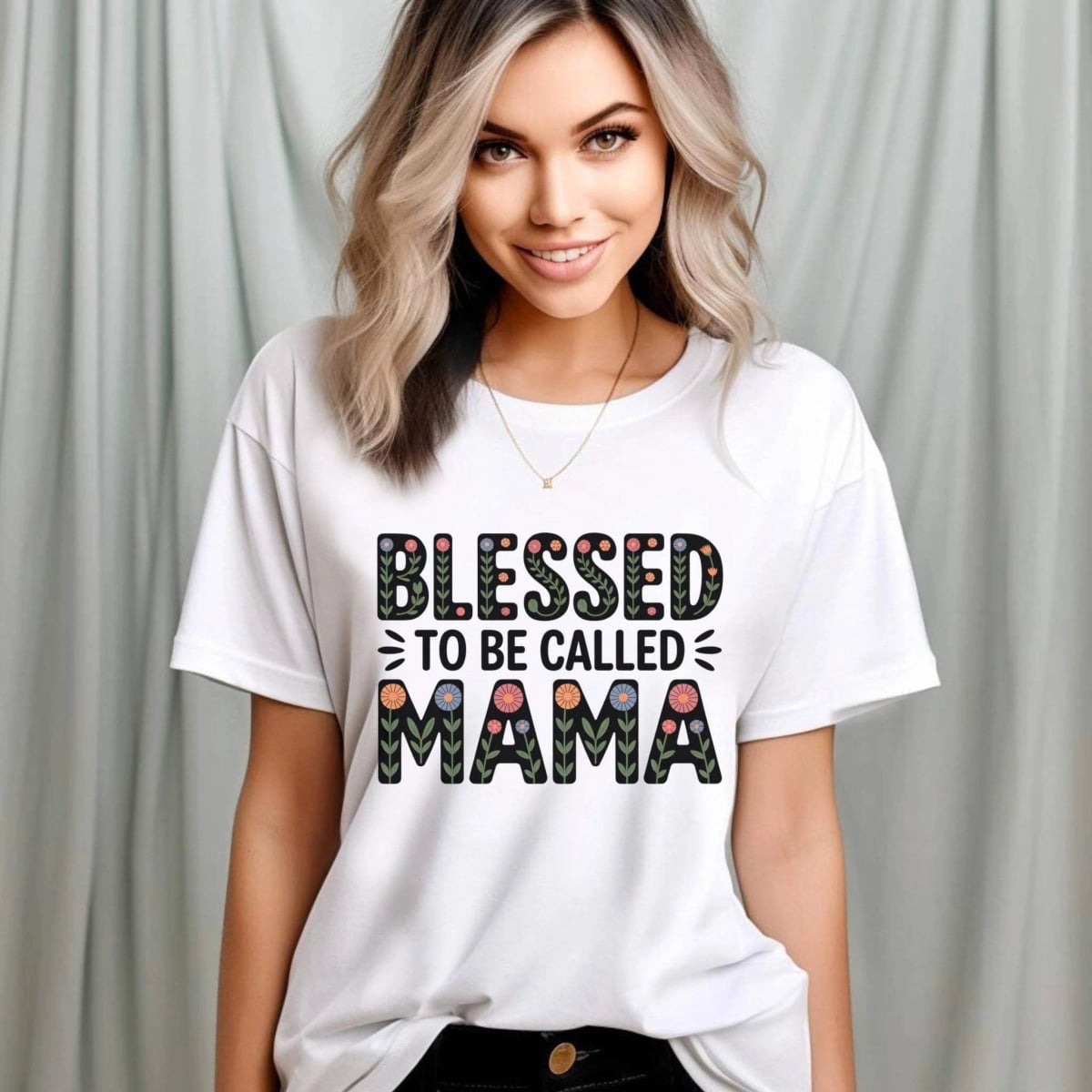
For parents seeking comfortable yet stylish options, pieces like the Floral Blessed To Be Called Mama T-Shirt demonstrate how thoughtful design elevates everyday wear. This garment-dyed cotton option features vintage-inspired softness that makes it ideal for layering under cardigans or wearing on its own during warmer months.
Occasion-Appropriate Choices
Understanding when to deploy specific in shape t shirt styles ensures you're appropriately dressed while maintaining personal style expression. Clean, solid-colored t-shirts in premium fabrics work for casual Fridays, weekend brunches, or coffee meetings when paired with tailored pants or dark denim.
Graphic tees require more consideration regarding setting and graphic content. Abstract designs, subtle logos, or artistic prints maintain professionalism better than bold statements or novelty graphics in semi-professional contexts.
Weekend and leisure activities offer maximum flexibility for personal expression through fit and design choices. Relaxed and oversized fits paired with comfortable bottoms create effortless weekend style that prioritizes comfort without sacrificing aesthetics.
Care and Maintenance for Longevity
Preserving the fit and appearance of your in shape t shirt requires proper care techniques that protect fabric integrity and construction quality.
Washing Best Practices
Frequent washing accelerates fabric degradation and fit distortion. Spot-clean minor marks and air out shirts between wears when possible. When washing becomes necessary, turn garments inside out to protect exterior surfaces from abrasion and direct detergent contact.
Cold water washing preserves color vibrancy and prevents shrinkage in cotton and cotton-blend fabrics. Use gentle cycles that minimize mechanical stress on fibers and construction seams. Performance fabric options may tolerate warm water, but always consult care labels for specific guidance.
Skip fabric softeners, which coat fibers and reduce moisture-wicking properties in performance fabrics. Instead, use appropriate detergent quantities (less is often more) and add white vinegar to rinse cycles for natural softening without residue buildup.
Drying and Storage Methods
Air drying extends garment life significantly compared to machine drying. Lay shirts flat on clean towels or use padded hangers to maintain shape during the drying process. If machine drying is necessary, use low heat settings and remove shirts while slightly damp to prevent over-drying that sets wrinkles and shrinks fabrics.
Storage considerations include folding versus hanging based on fabric weight and construction. Lightweight knits maintain shape better when folded, while structured or heavier shirts benefit from hanging. Avoid wire hangers that create shoulder dimples; use padded or wooden hangers instead.
Rotate your collection regularly to distribute wear evenly across multiple garments rather than repeatedly wearing and washing favorites. This practice extends the collective life of your wardrobe while reducing individual garment stress.
Color and Pattern Selection
Strategic color and pattern choices in your in shape t shirt collection create versatility that maximizes outfit combinations while complementing your natural coloring.
Building a Versatile Color Foundation
Neutral colors (white, black, gray, navy) form the foundation of any functional t-shirt wardrobe. These shades pair effortlessly with virtually any bottom color and pattern while serving as neutral canvases for layered looks.
White t-shirts require premium fabric quality to avoid transparency issues. Look for fabric options with adequate weight and density that provide opacity without sacrificing breathability or comfort.
Earth tones (olive, tan, brown, rust) add warmth to neutral palettes and coordinate well with denim, khaki, and other casual staples. These colors work particularly well in fall and winter wardrobes but transition smoothly across seasons.
Adding Visual Interest
Once foundational neutrals are established, introduce accent colors that complement your skin tone and personal color preferences. Jewel tones (emerald, sapphire, burgundy) create rich visual impact, while pastels offer softer alternatives for spring and summer wear.
Pattern selection should align with your overall style aesthetic and the specific applications you envision. Stripes create classic appeal and can be oriented horizontally or vertically based on desired visual effects. Heather fabrics combine multiple fiber colors for subtle texture and vintage-inspired aesthetics.
Graphic patterns range from minimalist geometric designs to bold artistic statements. Consider placement, scale, and color contrast when evaluating graphic options to ensure they enhance rather than overwhelm your natural proportions.
Seasonal Considerations
Temperature and climate significantly influence fabric weight, sleeve length, and layering strategies for your in shape t shirt selections.
Warm Weather Options
Summer and warm climate conditions demand breathable fabrics with moisture management properties. Lightweight cotton, linen blends, and performance synthetics help regulate body temperature and prevent discomfort from perspiration.
Lighter colors reflect heat better than dark shades, though modern fabric treatments increasingly neutralize this traditional advantage. Performance fabric developments continue advancing cooling technologies that work regardless of color choice.
Sleeve length variations affect ventilation and sun protection. Standard short sleeves offer maximum airflow, while extended sleeves provide additional coverage for sun-sensitive skin without necessarily increasing warmth if constructed from appropriate fabrics.
Cool Weather Adaptations
Cooler months shift priorities toward insulation and layering compatibility. Medium to heavyweight fabrics provide base warmth, while the ability to layer smoothly under sweaters, hoodies, and jackets becomes paramount.
Long-sleeve in shape t shirt options serve as excellent base layers or standalone pieces during transitional seasons. Look for fits that accommodate layering without creating restriction or bunching under outer garments.
Fabric choices should balance insulation with breathability to prevent overheating in climate-controlled indoor environments. Natural and blended options like cotton-modal or cotton-wool blends offer warmth without excessive weight or stuffiness.
Quality Indicators and Value Assessment
Identifying quality construction and materials helps ensure your in shape t shirt purchases deliver lasting value rather than disposable fashion.
Construction Quality Markers
Examine seam quality by inspecting stitch consistency, thread quality, and seam placement. Double-stitching at stress points (shoulders, underarms, hem) indicates durability focus. Overlocking or serging on interior seams prevents fraying and extends garment life.
Collar and hem ribbing should demonstrate elasticity and recovery. Stretch these areas gently to assess whether they return to original shape or show signs of permanent deformation. Quality ribbing maintains structure through repeated wear and washing.
Fabric hand feel provides immediate quality feedback. Premium materials demonstrate smoothness, appropriate weight for intended use, and consistent texture without thin spots or irregularities. Understanding fabric characteristics helps distinguish quality construction from cheaper alternatives.
Price-Value Relationship
Higher prices don't automatically guarantee quality, but extremely low prices often signal compromised materials or construction shortcuts. Assess cost per wear by considering how frequently you'll wear the item and how long it will maintain acceptable appearance and fit.
Investment in premium basics delivers superior long-term value compared to frequent replacement of budget options. Quality t-shirts maintain shape, color, and structural integrity through hundreds of wear cycles when properly cared for.
Brand reputation and customer reviews provide valuable insights into real-world performance. Look for feedback addressing fit consistency, durability through washing, and whether garments meet described specifications.
Sustainable and Ethical Considerations
Modern consumers increasingly factor environmental impact and production ethics into purchasing decisions for wardrobe essentials including t-shirts.
Environmental Impact Factors
Fabric production, dyeing processes, and garment construction all carry environmental footprints. Organic cotton reduces pesticide and synthetic fertilizer use but requires more water and land than conventional cotton. Recycled polyester diverts plastic from waste streams but still sheds microplastics during washing.
Transparency in supply chains helps consumers make informed choices aligned with their values. Brands providing detailed information about material sourcing, production facilities, and environmental initiatives demonstrate commitment beyond marketing claims.
Longevity represents perhaps the most impactful sustainability factor. An in shape t shirt worn for years rather than seasons dramatically reduces per-wear environmental impact regardless of production methods.
Ethical Production Standards
Fair labor practices, safe working conditions, and living wages for garment workers increasingly influence consumer preferences. Certifications like Fair Trade, GOTS (Global Organic Textile Standard), and B Corp status provide third-party verification of ethical commitments.
Local and domestic production reduces transportation emissions and often ensures stronger labor protections compared to overseas manufacturing, though location alone doesn't guarantee ethical practices.
Consider the complete lifecycle when evaluating garment ethics, including end-of-life disposal options. Brands offering recycling programs or using biodegradable materials demonstrate circular economy thinking that minimizes waste.
Selecting the right in shape t shirt requires balancing fit, fabric, construction quality, and personal style preferences to create a versatile foundation for your wardrobe. By understanding how different silhouettes complement various body types and how fabric choices affect comfort and performance across activities and climates, you can build a collection that serves you well for years. TeninoVentures offers a diverse selection of quality t-shirts, workout wear, and casual apparel designed to help you find pieces that fit your lifestyle and express your personal style perfectly.

Leave a comment
This site is protected by hCaptcha and the hCaptcha Privacy Policy and Terms of Service apply.