

On Sale Womens: Smart Shopping Strategies for 2026
Finding exceptional deals on sale womens clothing requires more than simply browsing clearance racks. Smart shoppers understand the strategic timing, sizing considerations, and quality assessment techniques that transform ordinary shopping into an opportunity to build a versatile wardrobe without overspending. Whether you're searching for everyday essentials, workout pieces, or statement items, understanding the nuances of women's sales can help you maximize value while maintaining your personal style standards. This comprehensive guide explores the strategies that separate savvy shoppers from those who miss the best opportunities in the on sale womens market.
Understanding the On Sale Womens Market Landscape
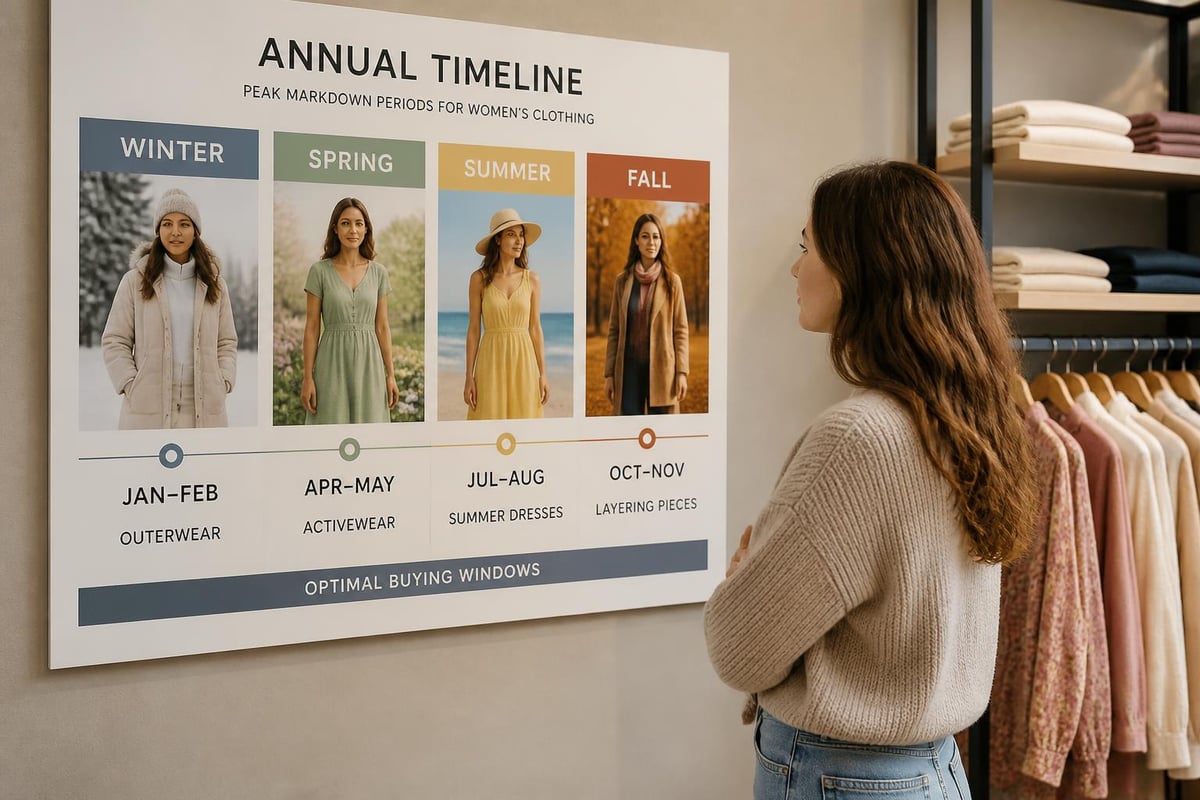
The women's retail sector operates on predictable cycles that create optimal buying opportunities throughout the year. Retailers clear inventory to make room for new collections, typically following seasonal patterns that coincide with fashion weeks and changing weather conditions.
End-of-season clearances represent the most significant markdown periods. Summer clothing reaches deepest discounts in late August and September, while winter items see substantial reductions in February and March. These transitions create prime opportunities for shoppers who plan ahead and purchase for the following year.
Key Sale Periods for Women's Clothing:
- Post-holiday clearances (late December through January)
- Spring transition sales (February through March)
- Summer clearance events (July through August)
- Fall preview markdowns (late September through October)
- Black Friday and Cyber Monday (November)
Mid-season flash sales offer additional opportunities, particularly for online retailers managing inventory levels. These shorter promotional windows often feature specific categories rather than store-wide discounts, rewarding shoppers who monitor their favorite brands regularly.
The key Autumn/Winter 2025 fashion trends from major fashion weeks influence which items retailers prioritize for clearance. Items that don't align with emerging trends typically receive earlier and deeper markdowns.
Navigating Sizing Challenges When Shopping Sales
Sizing inconsistencies present one of the most frustrating obstacles when purchasing on sale womens items, particularly when reduced prices mean final sale policies prevent returns. Understanding measurement standards and brand-specific sizing conventions becomes essential for online clearance shopping.
Measurement Fundamentals
Taking accurate body measurements eliminates guesswork and reduces return rates. The essential measurements include bust (around the fullest part), waist (natural waistline), and hips (around the fullest part). Most retailers provide size charts, though standards vary significantly between brands.
The complex history of women's clothing sizes explains why a size 8 from one brand fits differently than another. Vanity sizing has further complicated matters, with some brands adjusting numerical sizes to flatter customers psychologically rather than maintaining consistent measurements.
| Measurement Point | How to Measure | Common Mistakes |
|---|---|---|
| Bust | Around fullest part, arms relaxed | Measuring too tight or over clothing |
| Waist | Natural waistline, not where pants sit | Pulling tape too snug |
| Hips | Around fullest part of buttocks | Measuring at hipbones instead |
| Inseam | From crotch to desired hem length | Not accounting for shoe heel height |
Brand-specific sizing guides offer more reliable information than generic charts. Athletic brands like those featured in workout clothes collections often run smaller through the hips and thighs to accommodate different body compositions.
Strategic Approaches to Size Selection
When purchasing on sale womens items with restrictive return policies, ordering multiple sizes for comparison becomes impractical. Instead, consult customer reviews for fit feedback. Shoppers frequently mention whether items run large, small, or true to size, providing real-world data beyond manufacturer specifications.
The viral Zara sizing hack demonstrates how understanding brand-specific conventions helps shoppers select appropriate sizes confidently. Similar strategies apply across retailers when their sizing systems deviate from standards.
Quality Assessment Techniques for Clearance Items
Not all on sale womens clothing represents equal value. Distinguishing between genuine bargains and items marked down due to quality issues protects your investment and ensures satisfaction with purchases.
Fabric content provides immediate insight into garment longevity and care requirements. Natural fibers like cotton and linen typically outlast synthetic alternatives, though blends often offer practical benefits like reduced wrinkling and easier maintenance. Examining fiber percentages helps predict how items will wear over time.
Quality Indicators to Check:
- Seam construction and finishing
- Button and zipper quality
- Fabric weight and drape
- Pattern matching at seams
- Hem construction and stitch density
Sale items sometimes include irregular or slightly flawed merchandise. Online product descriptions should disclose such issues, but in-store clearance racks may mix perfect and imperfect items. Careful inspection prevents disappointment, particularly when final sale policies apply.
The best on sale womens pieces maintain full quality while simply being discontinued or seasonally inappropriate. Previous season's colors in classic styles often represent exceptional value, offering proven designs at reduced prices.
Building a Strategic Sale Shopping Calendar
Successful clearance shopping requires planning beyond spontaneous browsing. Developing a strategic calendar aligned with retail cycles maximizes opportunities while minimizing impulse purchases that don't serve your wardrobe needs.
Monthly Shopping Strategy
January marks the optimal period for winter outerwear, boots, and cold-weather accessories as retailers clear inventory for spring merchandise. Waiting until late January or early February often yields additional markdowns on already reduced items.
Spring sales in March and April focus on transitional pieces and lighter layers. This period represents ideal timing for purchasing items you'll wear immediately while benefiting from clearance pricing. Looking ahead to party fashion trends for the 2025 holiday season helps identify investment pieces worth purchasing at full price versus waiting for sales.
Summer brings opportunities for swimwear, shorts, and warm-weather dresses. Early summer sales in June offer modest discounts, while August clearances feature deeper markdowns as retailers transition to fall inventory. The trade-off involves selection breadth versus discount depth.
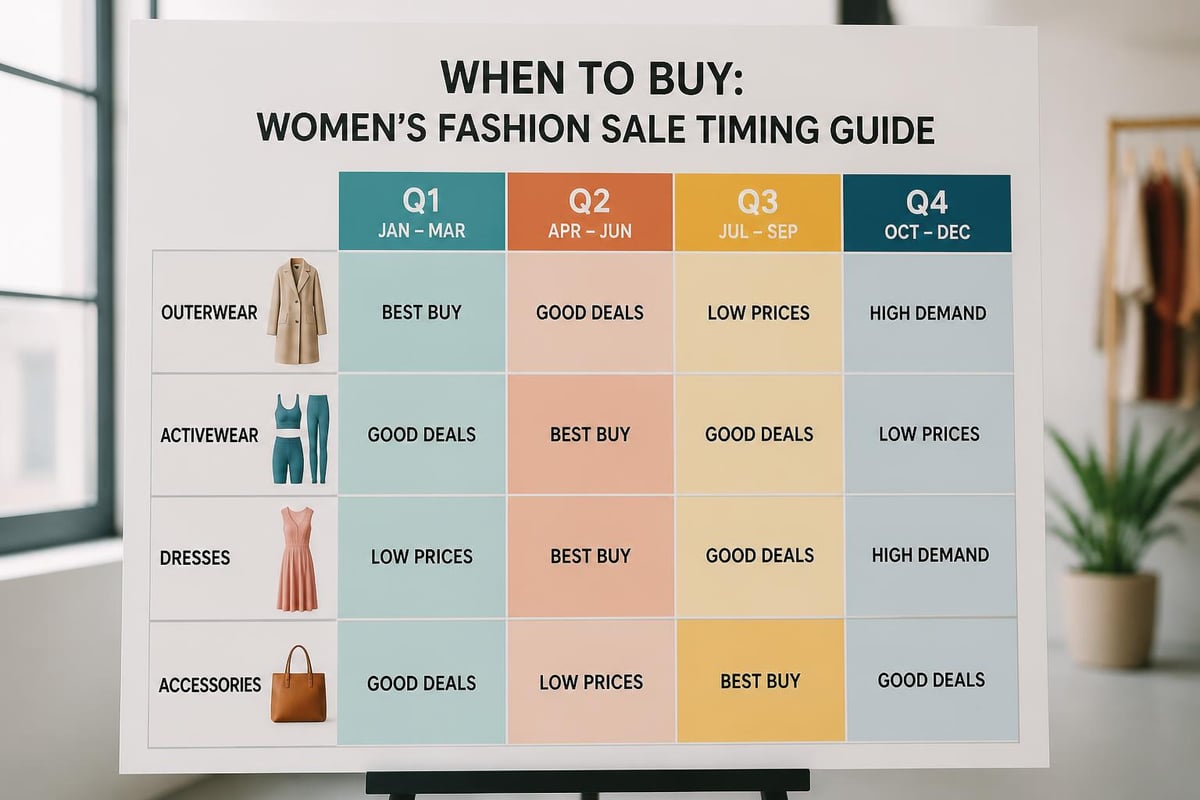
Fall previews begin in late summer, with actual clearances starting in November. Post-Thanksgiving sales provide opportunities across multiple categories as retailers push for year-end revenue targets. Cyber Monday has evolved into Cyber Week, extending opportunities beyond a single day.
Category-Specific Shopping Strategies
Different clothing categories follow distinct markdown patterns and quality considerations. Understanding these variations helps you time purchases effectively and assess value appropriately.
Activewear and Workout Clothing
Performance fabrics in workout clothing justify higher initial prices, making sale opportunities particularly valuable. Technical features like moisture-wicking, four-way stretch, and anti-microbial treatments maintain relevance regardless of seasonal trends.
Activewear from gym wear collections often goes on sale when new colorways launch rather than seasonal transitions. Neutral colors in proven styles represent smart investments during clearance periods, as they coordinate with multiple pieces and resist trend obsolescence.
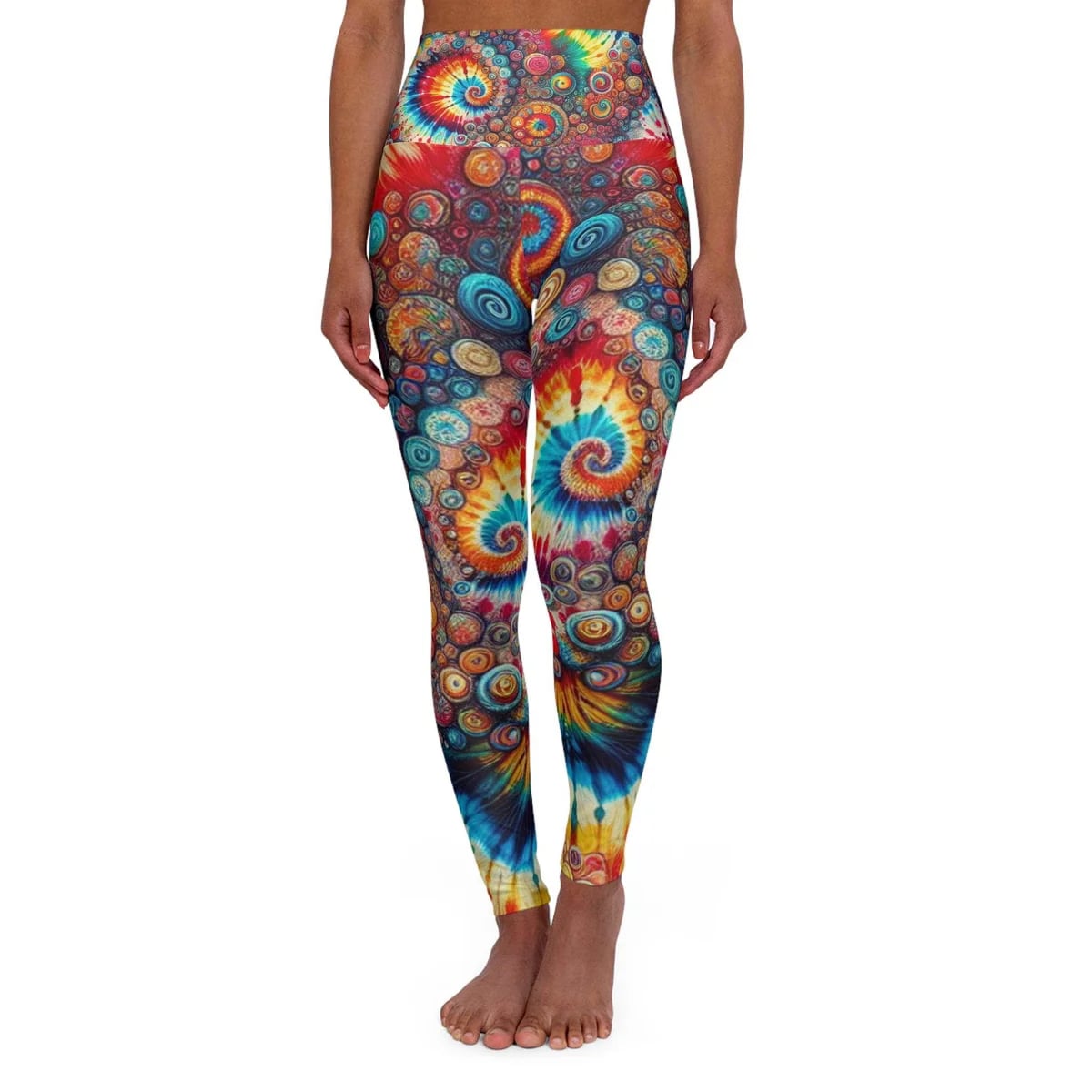
Leggings with bold patterns add personality to workout routines while maintaining functionality. When shopping for colorful activewear pieces, consider how they'll integrate with your existing rotation to ensure purchase justification beyond initial appeal.
Graphic Tees and Casual Staples
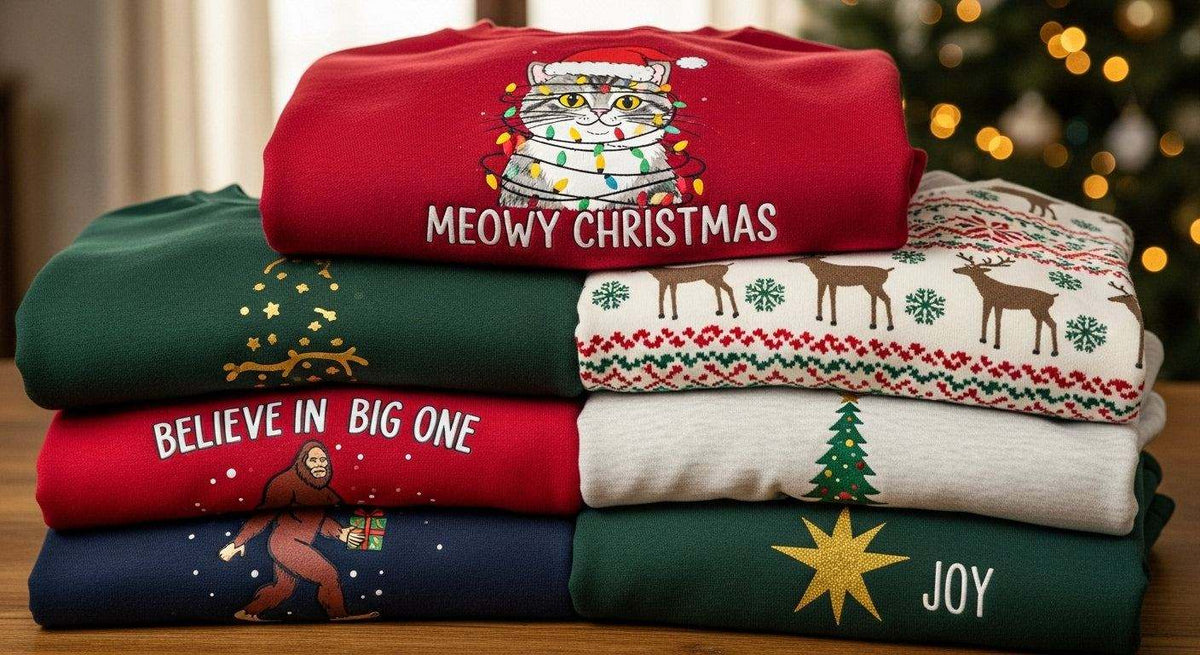
Graphic tees represent wardrobe workhorses that transition across seasons with appropriate layering. Sale pricing on these items makes experimentation with new styles low-risk, though quality fabric remains important for longevity.
The evolution of graphic tees shows how these pieces have progressed from basic casualwear to style statements. Purchasing seasonal graphics at clearance prices works well when designs have year-round appeal rather than time-specific references.
Cotton quality varies significantly across price points. Even at sale prices, garment-dyed cotton with vintage washing offers superior softness and durability compared to standard printed tees. Understanding these distinctions helps you evaluate whether discounted items represent genuine value.
Plus-size options deserve particular attention during sales, as inventory depth sometimes decreases in extended sizing. Shoppers seeking ladies plus size graphic tees benefit from early sale shopping before popular sizes and designs sell out.
Seasonal and Occasion Wear
Items tied to specific seasons or occasions require different evaluation criteria. A winter coat purchased in February clearance should provide multiple years of service, justifying the upfront investment even at reduced prices. Conversely, trendy party dresses might offer only one or two wearing opportunities, changing the value calculation.
Assessing cost per wear helps rationalize sale purchases. A discounted item you'll wear frequently offers better value than a deeply marked item you'll rarely use. This framework prevents the false economy of buying things simply because they're on sale.
Maximizing Online Sale Shopping Success
Digital retail has transformed how consumers access on sale womens inventory, creating both opportunities and challenges compared to in-store clearance shopping. Understanding online-specific strategies enhances success rates and satisfaction levels.
Email and Mobile Alert Strategies
Retailers reward subscriber loyalty with early sale access and exclusive discount codes. Creating a dedicated email address for retail communications prevents inbox clutter while ensuring you don't miss time-sensitive opportunities. Most major retailers offer 10-20% additional discounts for email signup, immediately applicable to sale merchandise.
Mobile apps often feature app-exclusive deals and simplified checkout processes. Push notifications alert you to flash sales and limited-time promotions, though managing notification settings prevents alert fatigue. Balancing awareness with distraction requires customizing which brands merit immediate alerts.
Price tracking tools and browser extensions monitor items across multiple retailers, alerting you when prices drop below specified thresholds. These automated systems work particularly well for specific items you've already decided to purchase, eliminating the need for constant manual checking.
Virtual Shopping Cart Management
Adding items to online shopping carts sometimes triggers promotional emails offering additional discounts to complete purchases. This strategy works best with retailers you've previously patronized, as they have existing customer data and motivation to convert browsing into sales.
Abandoned cart emails frequently include 10-15% discount codes, though some retailers have reduced this practice as consumers began gaming the system. The strategy remains worth attempting for significant purchases where the additional discount justifies the wait time.
Comparing prices across retailers before finalizing purchases ensures you're getting optimal value. Sale prices at one retailer may still exceed regular prices elsewhere, particularly for commodity items without unique features. Browser tools can automate this comparison, though manual verification for significant purchases remains advisable.
Understanding Return Policies and Final Sale Items
Return policy variations significantly impact the risk-reward calculation for on sale womens purchases. Standard return windows typically shrink during major sale events, while deeply discounted items often carry final sale restrictions preventing returns entirely.
Policy Navigation Strategies
Reading fine print before purchase prevents post-purchase disappointment. Some retailers exclude sale items from standard return policies, while others maintain consistent policies across all price points. Understanding these distinctions before clicking "purchase" protects you from unwanted items you can't return.
Final sale items demand extra scrutiny regarding sizing, quality, and versatility. The deeper discount should compensate for the increased risk of poor fit or unmet expectations. A 70% discount carries different risk profiles than 20% off with standard returns.
Store credit returns offer middle ground between full refunds and final sale policies. While less flexible than cash refunds, store credit allows you to exchange items for better fits or different styles. This option works well when you regularly shop specific retailers and trust their inventory aligns with your preferences.
| Return Policy Type | Typical Window | Best For | Considerations |
|---|---|---|---|
| Standard Returns | 30-90 days | First-time brand purchases | Keep tags attached, original packaging |
| Store Credit Only | 14-30 days | Favorite retailers | Limited to future inventory |
| Exchange Only | 7-14 days | Size uncertainty | Must choose replacement immediately |
| Final Sale | No returns | Well-known brands/styles | Higher risk requires deeper discount |
Documentation through photos immediately upon receipt creates records for quality disputes. While final sale policies technically prevent returns, defective merchandise usually remains returnable under consumer protection laws. Photographic evidence supports claims about received condition versus advertised state.
Smart Wardrobe Integration Strategies
Purchasing on sale womens clothing strategically requires considering how new items integrate with existing wardrobe pieces. Isolated bargains that don't coordinate with current pieces offer limited value regardless of discount depth.
Capsule wardrobe principles apply equally to sale shopping. Focusing on versatile pieces in coordinating colors maximizes outfit combinations per item. A neutral blazer at 40% off delivers more value than a statement piece you can only wear one way, assuming both align with your style preferences.
Gap filling represents another strategic approach. Identifying wardrobe weaknesses before sale shopping focuses purchases on items that expand wearing options rather than duplicating existing pieces. Perhaps you need more professional tops for work, or casual weekend pieces to refresh tired rotation items.
Trend versus classic considerations influence sale purchase decisions. Trendy items at steep discounts work well when you'll wear them immediately during their cultural moment. Classic pieces justify purchase even if you won't need them for months, as their longevity extends value beyond a single season.
Leveraging Size Charts Across Retailers
Consistent measurement practices enable confident purchasing across different brands and retailers. Maintaining a personal measurement record eliminates repeated measuring and provides quick reference when shopping multiple sites.
Reference guides from established brands provide baseline sizing information. The Hurley women's size guide and Champion clothing size guide demonstrate how athletic brands provide detailed specifications helping customers select appropriate fits.
Cross-referencing multiple charts helps identify sizing patterns. The Chaco women's clothing chart includes measurement instructions ensuring accuracy, while comprehensive guides offering US, UK, and EU size conversions help when shopping international retailers.
Converting between sizing systems requires attention to detail, as UK sizes typically run two numbers higher than US sizes (US 8 equals UK 12), while European sizing uses different numerical scales entirely. Saving conversion charts to your phone simplifies international sale shopping.
Advanced Discount Stacking Techniques
Combining multiple promotional offers maximizes savings beyond advertised sale prices. Understanding which discounts stack and retailer-specific policies around promotional combinations unlocks additional value.
Coupon and Sale Price Combinations
Many retailers allow applying percentage-off coupons to already reduced sale prices, though policies vary. Reading terms carefully identifies whether "excludes sale items" appears in coupon fine print. Email signup bonuses often work with sale prices even when other coupons don't.
Cash-back programs through browser extensions and credit card rewards provide additional savings layers. Earning 2-5% back on purchases effectively increases discount percentages without violating retailer promotional terms. These programs work passively once configured, requiring no ongoing effort.
Seasonal promotional events frequently feature tiered discounts based on purchase amounts. Buying multiple items to reach higher discount thresholds makes sense when you need those items anyway, but avoid purchasing unnecessary pieces solely to qualify for marginally better pricing.
Membership and Loyalty Program Benefits
Paid membership programs like premium loyalty tiers offer early sale access and additional discount percentages. Evaluating whether annual fees justify savings requires calculating expected purchases and typical discount differentials. Frequent shoppers benefit most from these programs.
Free loyalty programs provide points toward future purchases and members-only promotions. Zero cost makes joining worthwhile for any retailer you purchase from more than once annually. Points systems effectively create additional discounts when redeemed strategically during sales.
Birthday month promotions and anniversary rewards create predictable discount opportunities. Planning significant purchases around these windows compounds savings, particularly when retailers allow combining birthday discounts with ongoing sales.
Quality Versus Quantity Decision Framework
Sale shopping temptations can lead to quantity-focused purchasing that compromises overall wardrobe quality. Developing decision frameworks helps maintain standards while capitalizing on genuine opportunities.
Price per wear calculations provide objective value assessments. An expensive item worn fifty times costs less per wearing than a cheap item worn twice. This framework justifies investing in quality sale items over multiple lower-quality pieces.
Material quality impacts longevity dramatically. Natural fibers generally outlast synthetics, though modern performance fabrics offer durability in specific categories like activewear. Understanding fabric characteristics helps predict whether sale prices represent genuine value or reflect quality compromises.
Construction details signal manufacturing quality beyond fabric choice. Finished seams, quality notions, and pattern matching indicate careful production. Items lacking these features may deliver disappointing longevity regardless of attractive sale pricing.
Smart shopping for on sale womens clothing combines timing awareness, quality assessment skills, and strategic planning to build a versatile wardrobe without overspending. By understanding seasonal cycles, sizing nuances, and value evaluation techniques, you can confidently navigate clearance opportunities while maintaining quality standards. Whether you're seeking everyday essentials, activewear, or statement pieces, TeninoVentures offers diverse options across clothing categories and home goods to help you discover items that align with your style and budget throughout the year.


Leave a comment
This site is protected by hCaptcha and the hCaptcha Privacy Policy and Terms of Service apply.