
Shopping Accessories: Essential Items for Modern Retail
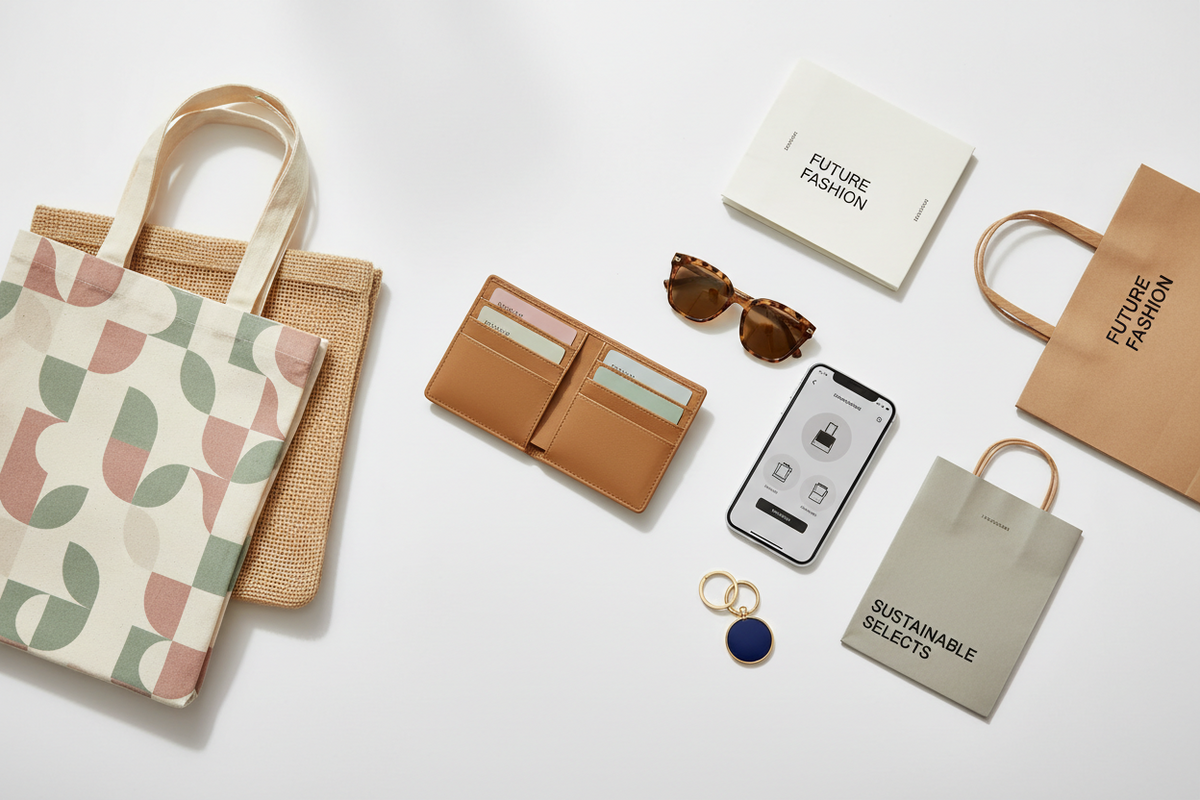
Shopping accessories have evolved far beyond simple add-ons to become essential components of the modern retail experience. Whether browsing online marketplaces or visiting physical stores, consumers now expect a comprehensive selection of products that complement their primary purchases and enhance their overall lifestyle. These accessories span multiple categories, from practical carrying solutions to statement jewelry pieces, each serving distinct purposes while contributing to personal style and functionality. Understanding which shopping accessories resonate with today's consumers helps retailers like TeninoVentures curate collections that meet diverse customer needs while staying ahead of emerging trends.
The Growing Importance of Shopping Accessories in Retail
The accessories market has experienced remarkable growth as consumers increasingly prioritize personalization and versatility in their wardrobes. Shopping accessories now represent a significant portion of retail revenue, driven by their ability to transform basic outfits into distinctive looks without requiring substantial investment in complete wardrobe overhauls.
Modern shoppers appreciate accessories for their dual functionality: practical utility and aesthetic enhancement. A well-chosen bag serves both as a carrying solution and a fashion statement, while jewelry pieces can elevate casual attire for professional settings. This versatility makes shopping accessories particularly attractive to budget-conscious consumers seeking maximum value from each purchase.
Market Dynamics Shaping Accessory Demand
Several factors influence current demand for shopping accessories. Social media platforms have accelerated trend cycles, creating constant appetite for fresh accessories that complement existing wardrobes. Influencers showcase how strategic accessory choices can completely reimagine outfit presentations, inspiring followers to experiment with their own styling approaches.
Sustainability concerns also shape purchasing decisions. Consumers increasingly favor durable, high-quality shopping accessories that withstand repeated use rather than disposable fast-fashion alternatives. This shift benefits retailers offering thoughtfully designed products with longevity in mind.
Key drivers of accessory market growth include:
- Increased social media influence on fashion choices
- Growing demand for sustainable, ethically produced items
- Rising interest in personal style expression
- Shift toward versatile, multi-functional products
- Expansion of online shopping platforms
Essential Shopping Accessories Every Retailer Should Stock
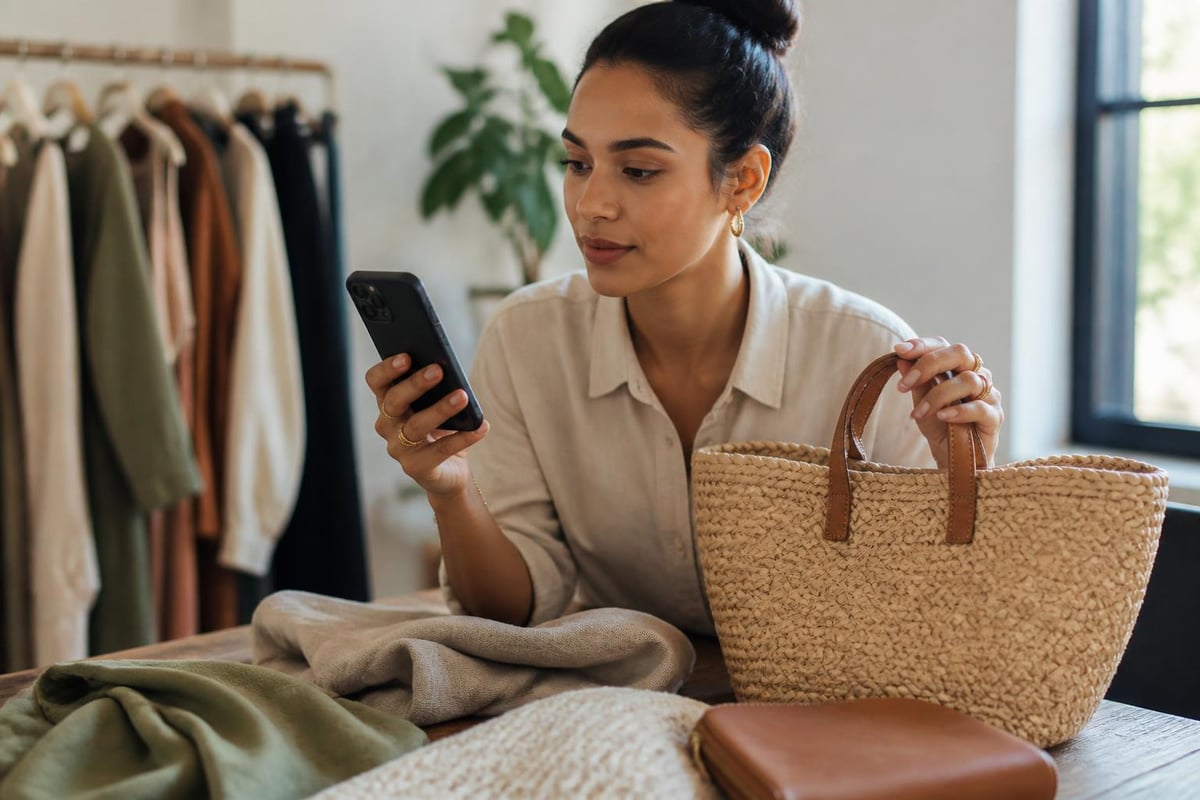
Successful retailers understand that certain shopping accessories maintain consistent demand across seasons and demographic groups. These foundational items form the backbone of any well-rounded accessory collection, providing reliable revenue streams while supporting customer satisfaction.
Bags and Carrying Solutions
Bags represent perhaps the most universally desired category of shopping accessories. From compact crossbody designs to spacious totes, customers require carrying solutions for virtually every occasion and activity level.
| Bag Type | Primary Use | Target Customer | Price Range |
|---|---|---|---|
| Tote Bags | Daily errands, work | Professionals, students | $15-$50 |
| Crossbody Bags | Casual outings, travel | Young adults, active shoppers | $25-$75 |
| Backpacks | School, commuting | Students, urban professionals | $30-$100 |
| Clutches | Evening events, formal occasions | Fashion-conscious consumers | $20-$60 |
Reusable shopping bags have gained particular prominence as environmental awareness grows. These practical accessories serve dual purposes: reducing single-use plastic consumption while providing branded visibility for retailers who offer custom designs.
Jewelry and Personal Adornments
Jewelry remains among the most popular shopping accessories, offering endless opportunities for personal expression. From delicate everyday pieces to bold statement jewelry making waves in 2025, these accessories enable customers to communicate individual style preferences.
Statement earrings, layered necklaces, and chunky bracelets have emerged as particularly strong sellers. These pieces align with current fashion trends emphasizing dramatic styling and personal flair, allowing wearers to make memorable impressions without complete outfit changes.
Top jewelry categories for 2026:
- Oversized hoop earrings
- Layered chain necklaces
- Stackable rings
- Charm bracelets
- Statement cuffs
Gold-toned jewelry continues dominating preferences, though mixed metals and sustainable materials gain ground among environmentally conscious shoppers. Retailers should maintain diverse selections addressing both trend-forward and classic aesthetic preferences.
Seasonal Shopping Accessories and Trend Cycles
While certain shopping accessories maintain year-round appeal, seasonal variations significantly impact demand patterns. Understanding these cycles enables retailers to optimize inventory management and marketing strategies.
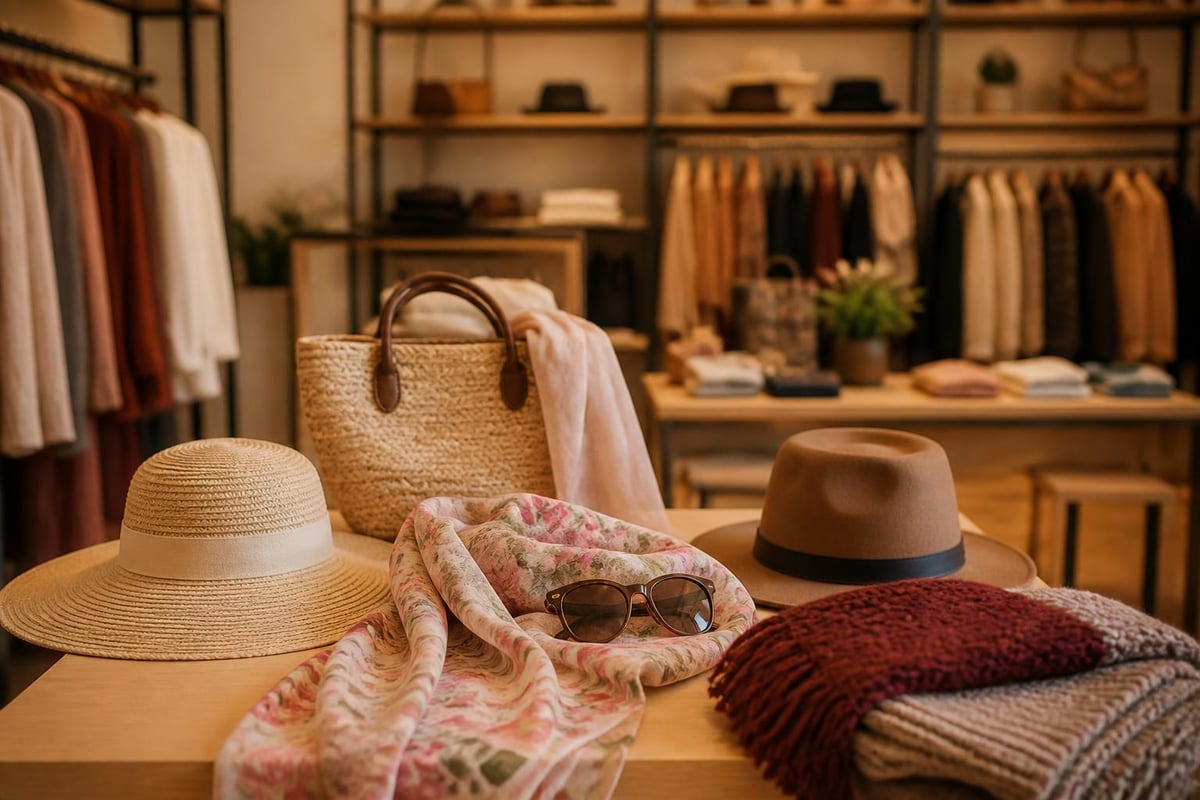
Spring and summer months drive increased interest in lightweight scarves, sunglasses, and straw bags that complement warmer weather wardrobes. Effortless accessory trends for 2026 emphasize relaxed, natural materials that align with vacation and outdoor activity preparation.
Winter and Cold-Weather Accessories
Cold weather creates distinct opportunities for shopping accessories focused on warmth and functionality. Scarves, gloves, and hats become essential rather than optional, while shoppers seek items combining practical insulation with attractive designs.
Beanies and knit caps appeal to younger demographics seeking casual styling options, while elegant wrap scarves attract professionals wanting refined cold-weather solutions. Touchscreen-compatible gloves have become standard expectations rather than premium features, reflecting how technology integration shapes accessory development.
The trendy clothing collection at TeninoVentures demonstrates how seasonal accessories complement core apparel offerings, creating cohesive looks that resonate with style-conscious shoppers.
Holiday and Special Occasion Accessories
Holiday periods generate substantial spikes in shopping accessories demand, particularly items suitable for gifting. Jewelry, small leather goods, and novelty accessories perform exceptionally well during these windows.
Special occasions like weddings, graduations, and milestone celebrations create additional accessory opportunities. Customers seek pieces that elevate formal attire without overshadowing their primary outfits, favoring elegant simplicity over excessive ornamentation.
Functional Accessories for Active Lifestyles
Modern consumers increasingly blur boundaries between activewear and everyday fashion, creating demand for shopping accessories supporting active lifestyles while maintaining style standards. This category has expanded dramatically as wellness culture permeates mainstream retail.
Workout-focused accessories include sports watches, fitness tracker bands, water bottle carriers, and gym bags designed with both functionality and aesthetic appeal. These items must perform reliably during physical activity while complementing athleisure wardrobes worn throughout daily routines.
Essential active lifestyle accessories:
- Moisture-wicking headbands
- Performance socks with compression features
- Lightweight backpacks with laptop compartments
- Insulated water bottles
- Wireless earbud cases
For retailers like TeninoVentures offering workout clothes, coordinating accessories create natural cross-selling opportunities. Customers purchasing leggings or athletic tops frequently seek complementary items that complete their workout ensembles.
Many shoppers appreciate accessories that transition seamlessly from gym to casual settings. Sleek minimalist designs in neutral colors perform particularly well, offering versatility across multiple wearing contexts without requiring frequent changes.
Technology Accessories as Shopping Essentials
Digital integration has transformed technology accessories into fundamental shopping necessities rather than optional additions. Virtually every consumer now carries multiple devices requiring protective cases, charging solutions, and organizational accessories.
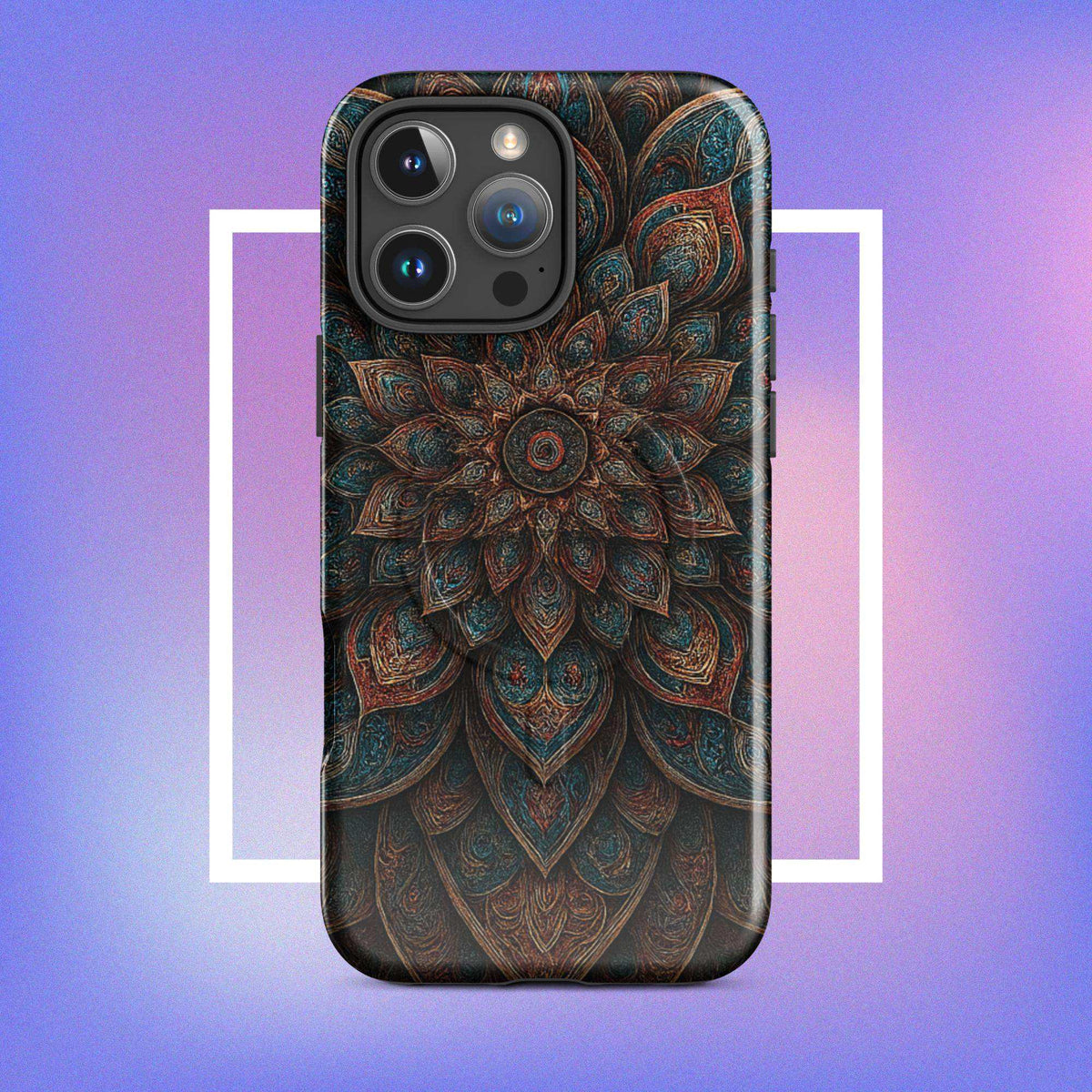
Phone cases represent the largest segment within this category, with customers frequently updating cases to reflect personal style evolution or protect new device models. TeninoVentures offers phone cases that combine device protection with fashion-forward designs, addressing both functional and aesthetic priorities.
| Accessory Type | Average Replacement Frequency | Primary Consideration |
|---|---|---|
| Phone Cases | 6-12 months | Design, protection level |
| Screen Protectors | 3-6 months | Clarity, durability |
| Charging Cables | 4-8 months | Length, compatibility |
| Wireless Earbuds | 18-24 months | Sound quality, comfort |
| Tablet Covers | 12-18 months | Functionality, weight |
Charging accessories have evolved beyond basic cables to include wireless charging pads, portable battery banks, and multi-device charging stations. These solutions address pain points in increasingly mobile lifestyles where device battery life rarely matches usage demands.
Home and Organizational Shopping Accessories
While personal accessories dominate retail discussions, home-focused shopping accessories represent substantial market segments often overlooked in traditional fashion contexts. These items enhance living spaces while providing practical organizational solutions.
Storage baskets, decorative trays, and wall-mounted organizers help customers maintain tidy environments while expressing personal aesthetic preferences. The rise of remote work has intensified demand for home office accessories that create productive, visually appealing workspaces.
Kitchen accessories similarly blend functionality with decorative potential. Items like utensil holders, cutting board sets, and specialty gadgets from the kitchen gadgets collection serve practical purposes while contributing to overall kitchen aesthetics.
Popular home accessory categories:
- Throw pillow covers
- Decorative storage containers
- Wall art and frames
- Candles and holders
- Organizational bins
These shopping accessories appeal to customers seeking affordable home refreshes without major renovation commitments. Seasonal updates keep spaces feeling current while allowing experimentation with trending colors and patterns.
Sustainable and Eco-Friendly Shopping Accessories
Environmental consciousness has moved from niche concern to mainstream expectation, particularly among younger consumers who prioritize sustainability in purchasing decisions. Shopping accessories made from recycled materials, organic fabrics, and responsibly sourced components increasingly influence buying behavior.
Reusable alternatives to disposable items represent the most visible sustainability trend in shopping accessories. Canvas tote bags, stainless steel water bottles, and silicone food storage bags reduce single-use plastic consumption while providing durable, long-lasting solutions.
Brands highlighting transparent supply chains and ethical manufacturing practices gain competitive advantages. Consumers want assurance that their shopping accessories align with personal values, extending beyond product quality to encompass broader social and environmental impacts.

Upcycled and vintage accessories have gained renewed appreciation as sustainable alternatives to new production. These unique pieces offer individuality impossible to achieve with mass-manufactured items, appealing to shoppers seeking distinctive style expressions.
Personalization and Customization Trends
Generic, mass-produced shopping accessories face increasing competition from personalized alternatives that reflect individual identities and preferences. Customization options ranging from monogramming to fully bespoke designs enable customers to create truly unique pieces.
Initial jewelry, custom-printed phone cases, and embroidered bags represent accessible entry points into personalized accessories. These modifications transform standard products into meaningful possessions with sentimental value beyond utilitarian function.
Technology has democratized customization, allowing small retailers to offer personalization services previously available only through luxury brands or specialty boutiques. Print-on-demand capabilities enable customers to apply custom graphics, text, or images to various shopping accessories without minimum order quantities.
The customized clothing and accessories available through TeninoVentures demonstrate how personalization enhances customer engagement while creating differentiated product offerings in competitive markets.
Benefits of offering customized shopping accessories:
- Increased emotional connection to products
- Higher perceived value justifying premium pricing
- Reduced return rates due to personalized nature
- Enhanced word-of-mouth marketing through unique designs
- Opportunities for gift-giving occasions
Cultural and Lifestyle-Specific Accessories
Diverse customer bases require shopping accessories reflecting varied cultural backgrounds, lifestyle choices, and personal identities. Retailers who acknowledge and celebrate this diversity through inclusive product selections build stronger customer relationships and market positions.
Faith-based accessories including religious jewelry, inspirational message items, and culturally significant symbols resonate with customers seeking products aligned with spiritual values. The Christian faith clothing collection exemplifies how retailers can serve specific communities while maintaining broad appeal.
Lifestyle-oriented accessories support hobbies, interests, and activities ranging from camping and outdoor recreation to artistic pursuits and professional specializations. These niche categories often command premium pricing due to specialized functionality and limited competition.
Pride and identity accessories enable customers to express affiliations with communities, causes, and movements important to their self-conception. From subtle symbols to bold declarations, these shopping accessories facilitate connection and visibility.
Price Positioning and Value Perception
Strategic pricing of shopping accessories significantly impacts both sales volume and brand perception. While accessories generally carry lower price points than primary products like clothing or furniture, their profit margins often exceed larger items due to favorable production costs and perceived value.
Tiered pricing strategies allow retailers to serve multiple market segments simultaneously. Entry-level accessories attract price-sensitive shoppers and facilitate initial purchases, while premium options appeal to customers prioritizing quality, brand prestige, or exclusive designs.
| Price Tier | Typical Range | Customer Expectation | Retail Strategy |
|---|---|---|---|
| Budget | $5-$20 | Basic functionality | High volume, fast turnover |
| Mid-Range | $20-$60 | Quality materials, current styles | Balanced selection |
| Premium | $60-$150+ | Superior craftsmanship, exclusivity | Limited inventory, special presentation |
| Luxury | $150+ | Designer names, exceptional quality | Curated selection, personalized service |
Bundle pricing creates compelling value propositions, particularly for complementary shopping accessories purchased together. Offering discounts on matched sets or coordinated collections encourages higher transaction values while simplifying decision-making for customers overwhelmed by options.
Visual Merchandising and Display Strategies
Effective presentation dramatically influences shopping accessories sales, particularly in physical retail environments where customers interact directly with products. Strategic placement, creative displays, and thoughtful organization help accessories stand out rather than disappearing among larger merchandise.
Cross-merchandising places accessories near related primary products, prompting consideration at decision points when customers already contemplate purchases. Positioning scarves near coats, jewelry alongside dresses, or phone cases adjacent to tech products creates natural discovery opportunities.
Lifestyle vignettes demonstrate how multiple shopping accessories work together, inspiring customers to envision complete looks rather than isolated items. These curated presentations educate shoppers about styling possibilities while showcasing product versatility.
Effective accessory display techniques:
- Use vertical space with wall-mounted displays
- Create focal points with featured items
- Maintain organized, uncluttered presentations
- Incorporate adequate lighting to highlight details
- Rotate displays regularly to maintain freshness
Digital retailers must replicate these principles through compelling product photography, detailed descriptions, and suggested pairings that recreate physical browsing experiences online. The accessories collection demonstrates effective digital merchandising through clear categorization and visual presentation.
Accessory Trends Shaping 2026 Retail
Fashion evolves continuously, and shopping accessories reflect broader style movements while introducing distinct micro-trends. Understanding current directions helps retailers anticipate customer preferences and optimize inventory selections.
Statement accessory trends dominating 2026 emphasize bold, confident styling choices that command attention. Oversized bags, dramatic drop earrings, and sculptural belts enable wearers to make distinctive impressions through strategic accessory selection.
Maximalist approaches gain ground after years of minimalist dominance, with loud luxury accessories featuring prominent logos and saturated colors appealing to consumers seeking unambiguous style statements. This trend reverses previous preferences for subtle, understated accessories.
Nostalgic influences continue shaping shopping accessories as millennials and Gen Z consumers embrace styles from previous decades. Y2K aesthetics, 1970s bohemian touches, and 1990s minimalism all appear in contemporary accessory collections, often blended into eclectic combinations rather than strict period reproductions.
Accessibility Considerations in Shopping Accessories
Inclusive design principles ensure shopping accessories serve customers across ability spectrums, expanding market reach while demonstrating social responsibility. Physical limitations, visual impairments, and sensory sensitivities all influence how individuals interact with accessories.
Magnetic closures, larger zipper pulls, and easy-grip handles make bags and small leather goods accessible to customers with limited dexterity or arthritis. These thoughtful design elements benefit all users while proving essential for some.
Research examining barriers visually impaired individuals face when shopping online highlights the importance of detailed product descriptions, clear sizing information, and accessible website design. Retailers should ensure shopping accessories receive comprehensive descriptions addressing materials, dimensions, closures, and care requirements.
Weight considerations affect accessory usability, particularly for bags and jewelry worn for extended periods. Lightweight materials and ergonomic designs reduce physical strain while maintaining aesthetic appeal.
Marketing Shopping Accessories Across Channels
Successful accessory marketing requires channel-specific strategies that acknowledge different customer behaviors and expectations across retail environments. Omnichannel approaches create consistent brand experiences while optimizing for each platform's unique characteristics.
Social media platforms excel at showcasing shopping accessories through visual storytelling and influencer partnerships. Instagram, Pinterest, and TikTok enable retailers to demonstrate styling versatility, share customer testimonials, and build aspirational brand narratives that drive purchasing intent.
Email marketing maintains strong performance for accessory promotions, particularly when targeting previous customers with complementary recommendations based on purchase history. Personalized suggestions increase relevance while demonstrating attentiveness to individual preferences.
Content marketing educating customers about styling techniques, care instructions, and trend interpretations builds authority while providing genuine value beyond sales pitches. Blog posts exploring topics like plush accessories or leggings for women's workouts attract organic search traffic while establishing expertise.
Effective marketing channels for shopping accessories:
- Instagram and Pinterest for visual inspiration
- Email campaigns featuring personalized recommendations
- Blog content explaining styling and care
- Influencer partnerships demonstrating real-world usage
- Retargeting ads highlighting abandoned cart items
Shopping accessories represent dynamic, high-potential retail categories that enhance customer wardrobes while driving profitable sales growth. By understanding emerging trends, customer preferences, and strategic merchandising approaches, retailers can build compelling accessory selections that resonate with diverse audiences. Whether you're seeking statement jewelry pieces, practical bags, or tech accessories that combine functionality with style, TeninoVentures offers thoughtfully curated collections spanning clothing, home goods, and accessories designed to complement modern lifestyles.


Leave a comment
This site is protected by hCaptcha and the hCaptcha Privacy Policy and Terms of Service apply.