
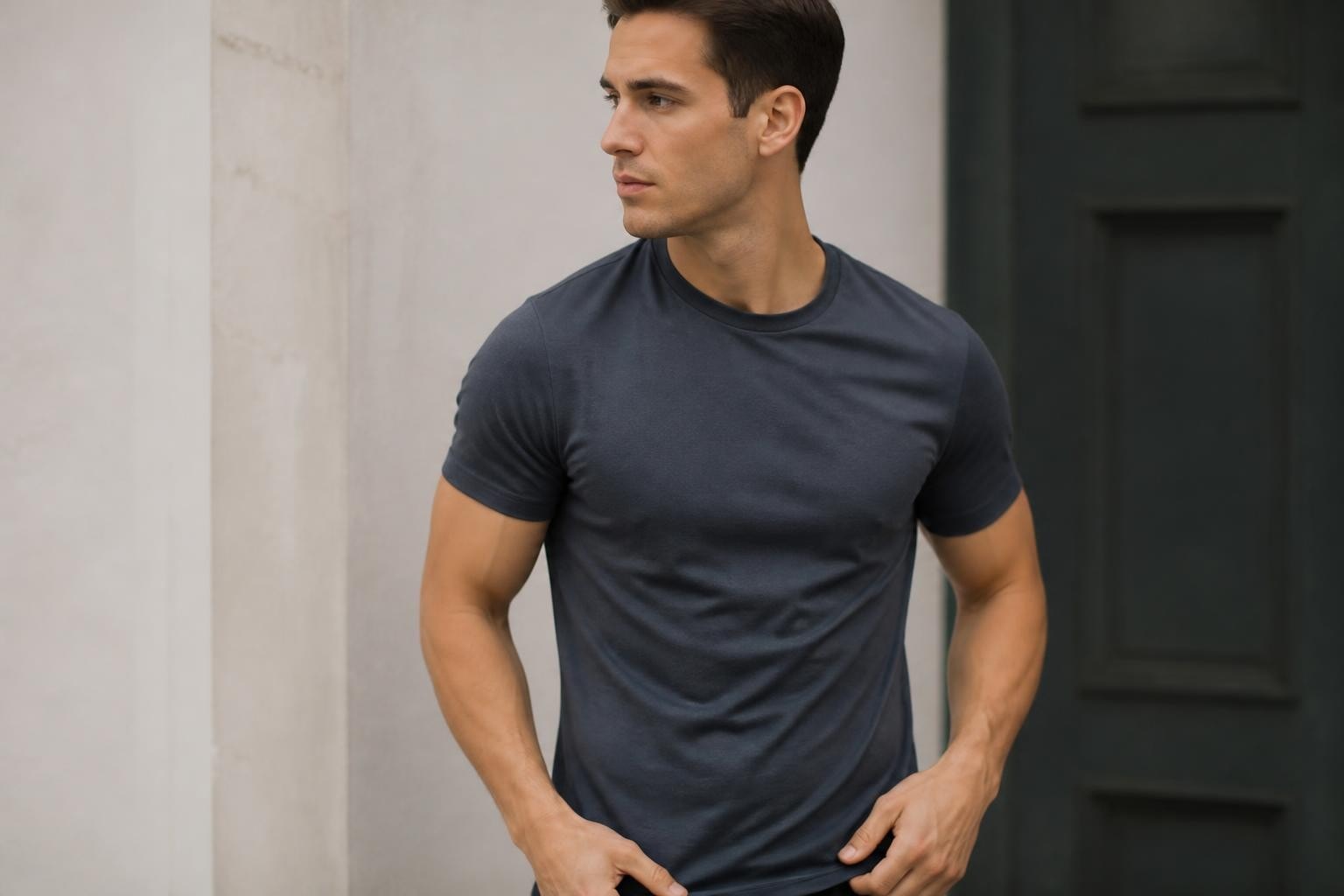
Stretchy Tees: Comfort, Fit & Fabric Guide 2026
Stretchy tees have revolutionized casual wear by combining comfort, durability, and versatility in a single garment. Unlike traditional cotton t-shirts that maintain a rigid structure, stretchy tees adapt to your body's movements, providing a flattering fit that works for various activities throughout your day. The addition of stretch fibers transforms the basic tee from a simple wardrobe staple into a performance-oriented essential that meets the demands of modern lifestyles. Whether you're running errands, working out, or relaxing at home, understanding what makes these garments special helps you make informed purchasing decisions and maximize the value of your clothing investment.
Understanding Stretch Fabric Technology
The science behind stretchy tees centers on fiber composition and fabric construction methods. Most stretch t-shirts incorporate elastane (also known as spandex or Lycra) into their fabric blend, typically ranging from 2% to 10% of the total composition. This small percentage makes a significant difference in how the garment performs.
Fabric Composition Breakdown
| Fabric Blend | Stretch Level | Best For | Durability |
|---|---|---|---|
| 95% Cotton / 5% Spandex | Moderate | Daily wear, light activity | High |
| 90% Polyester / 10% Spandex | High | Athletic wear, yoga | Very High |
| 60% Cotton / 35% Polyester / 5% Spandex | Moderate-High | All-purpose wear | Very High |
| 100% Cotton (no stretch) | None | Traditional fit | Medium |
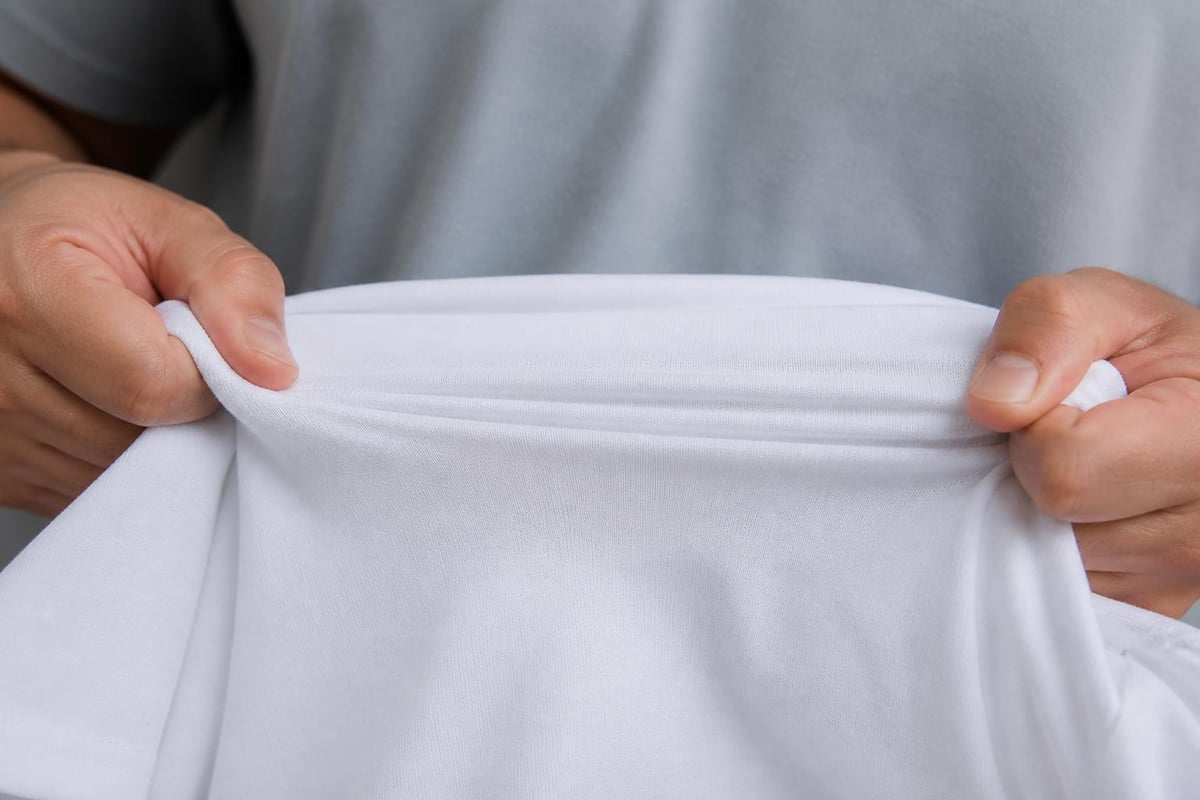
The fabric stretch characteristics determine how your tee responds to movement and maintains its shape. Two-way stretch fabrics flex in one direction (usually horizontally across the body), while four-way stretch materials expand both horizontally and vertically. This distinction affects comfort levels during different activities.
Knit Construction Methods
Knit fabrics form the foundation of most stretchy tees because of their inherent flexibility. Unlike woven fabrics that interlace threads at right angles, knit fabrics loop yarns together, creating natural give even without elastane. Common knit types include:
- Jersey knit: Single-knit construction offering moderate stretch and smooth surface
- Interlock knit: Double-knit structure providing enhanced durability and thickness
- Rib knit: Vertical ridges creating excellent recovery and stretch
- French terry: Looped backing for warmth while maintaining flexibility
The manufacturing process significantly impacts the final product's performance. Quality stretchy tees undergo careful tension control during knitting to ensure consistent stretch throughout the garment.
Benefits of Choosing Stretchy Tees
Selecting stretchy tees over traditional options delivers measurable advantages across multiple dimensions of wearability and practicality. These benefits extend beyond simple comfort to include functional improvements that enhance your daily experience.
Enhanced Comfort and Movement
Stretchy tees move with your body rather than against it. This dynamic fit eliminates the pulling and binding sensations common with rigid fabrics. When you reach, bend, or stretch, the fabric extends to accommodate your movements and returns to its original shape when you relax.
The comfort factor becomes especially apparent during:
- Extended wear periods: Stretch fabrics reduce fatigue from restrictive clothing
- Physical activities: Exercise and sports benefit from unrestricted motion
- Temperature fluctuations: Breathable stretch materials adapt to changing conditions
- Layering situations: Flexibility allows smooth wearing under or over other garments
Superior Fit and Flattering Silhouette
One of the most appreciated qualities of stretchy tees is their ability to conform to different body types. The fabric gently hugs your contours without clinging excessively, creating a polished appearance that works across size ranges. This adaptability means fewer returns and exchanges when shopping online.
Recovery properties distinguish quality stretchy tees from inferior versions. A well-made garment should return to its original dimensions after stretching, maintaining its intended fit wash after wash. Poor recovery leads to sagging, stretched-out collars, and misshapen hems that compromise the garment's appearance.
Selecting the Right Stretch Fabric
Not all stretchy tees perform equally across different scenarios. Understanding which stretch fabric types work best for specific purposes helps you build a versatile wardrobe that meets your needs.
Stretch Percentage Considerations
The amount of stretch in a fabric is measured as a percentage of extension beyond its resting state. Here's how different stretch levels translate to real-world performance:
| Stretch % | Description | Ideal Applications |
|---|---|---|
| 10-25% | Low stretch | Casual tees, minimal activity |
| 25-50% | Moderate stretch | Daily wear, light exercise |
| 50-100% | High stretch | Athletic wear, yoga, dance |
| 100%+ | Maximum stretch | Performance sportswear |
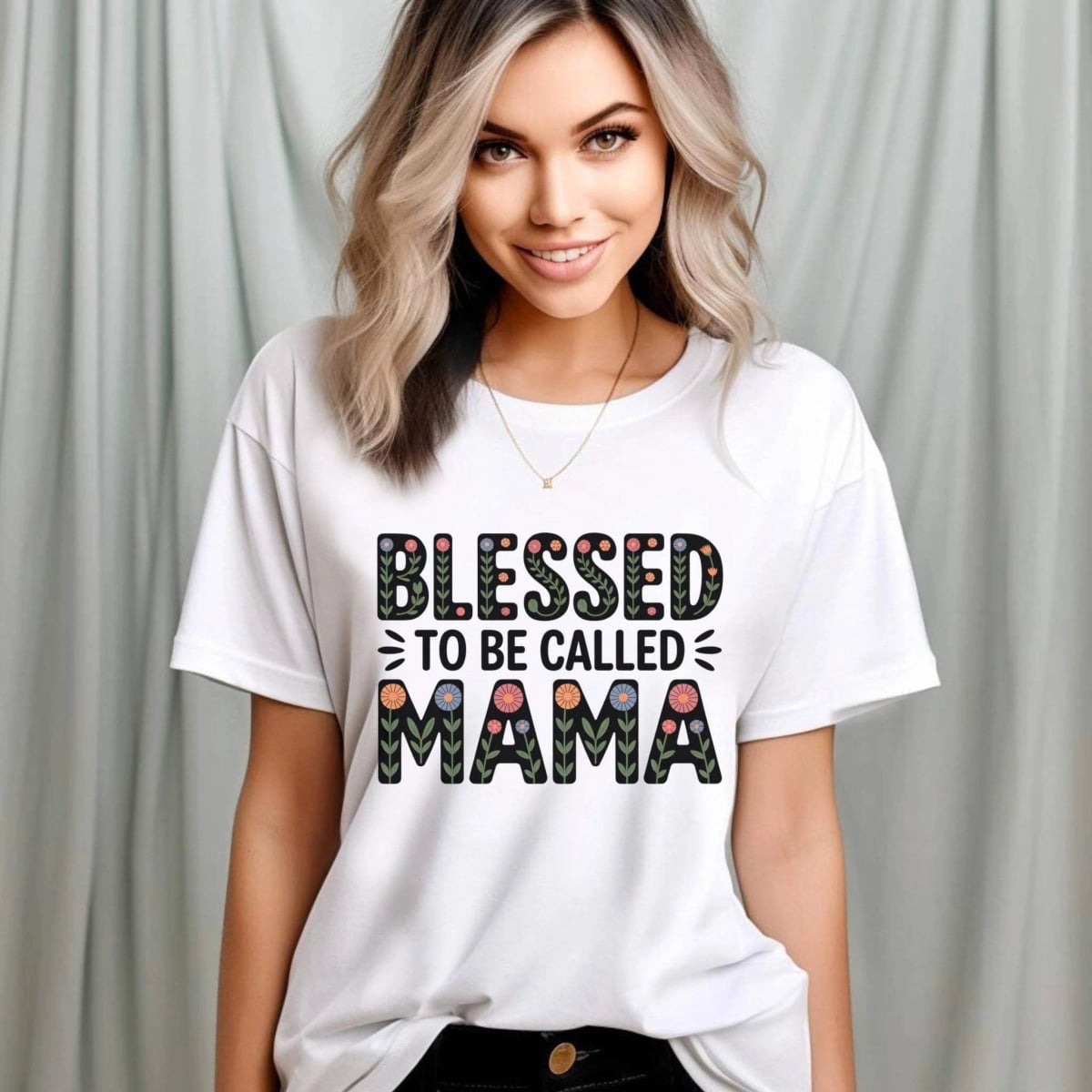
When evaluating stretchy tees, consider your primary use case. A tee for weekend lounging doesn't require the same stretch capabilities as one for high-intensity workouts. TeninoVentures carries versatile options that blend style and comfort, including pieces like the Floral Blessed To Be Called Mama T-Shirt that combines soft, garment-dyed cotton with enough flexibility for active parenting.
Weight and Breathability Factors
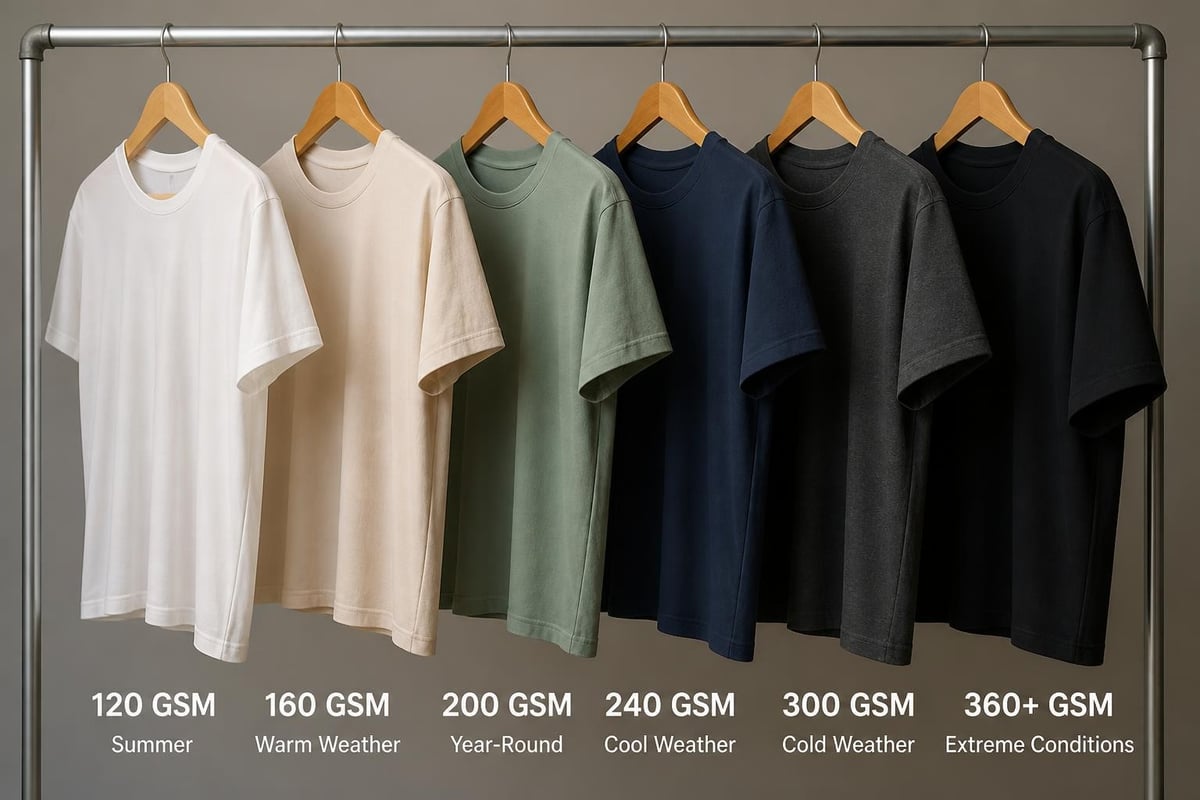
Fabric weight, measured in grams per square meter (GSM), influences how stretchy tees feel and perform. Lighter weights (120-150 GSM) suit warm weather and layering, while heavier weights (180-220 GSM) provide structure and opacity.
Breathability depends on fiber content and knit tightness. Natural fibers like cotton offer superior moisture absorption, while synthetic blends excel at wicking moisture away from skin. Understanding stretch fabric composition helps you select materials that keep you comfortable in your typical environment.
Care and Maintenance Guidelines
Proper care extends the lifespan of stretchy tees and maintains their performance characteristics. Elastane fibers require specific handling to preserve their elastic properties over time.
Washing Best Practices
Follow these steps to protect your stretchy tees during laundering:
- Turn garments inside out to reduce pilling and color fading on exterior surfaces
- Use cold or warm water instead of hot, which can degrade elastane fibers
- Select gentle cycles with reduced agitation to minimize stress on stretch fibers
- Avoid chlorine bleach that breaks down spandex molecular structures
- Choose mild detergents formulated for delicate fabrics when possible
Frequency matters as much as method. Stretchy tees often require less frequent washing than traditional cotton tees because their performance fibers resist odor absorption. Unless visibly soiled or odorous, you can wear these garments multiple times before laundering.
Drying and Storage Techniques
Heat represents the primary enemy of stretch fabrics. High-temperature drying causes elastane fibers to lose their spring, resulting in permanently stretched-out garments. Instead:
- Air dry stretchy tees whenever possible by laying flat on a clean surface
- If using a dryer, select the lowest heat setting or air-dry mode
- Remove garments while slightly damp to prevent over-drying
- Never wring out stretchy tees, which stresses fibers unnecessarily
Storage should maintain the garment's shape. Fold stretchy tees rather than hanging them to prevent shoulder distortion from hanger weight. Store in cool, dry locations away from direct sunlight, which degrades both color and elasticity.
Style Applications Across Occasions
Stretchy tees transcend the athletic wear category, offering styling versatility that extends into various aspects of modern life. Their adaptability makes them valuable building blocks for capsule wardrobes and minimalist approaches to dressing.
Casual and Everyday Wear
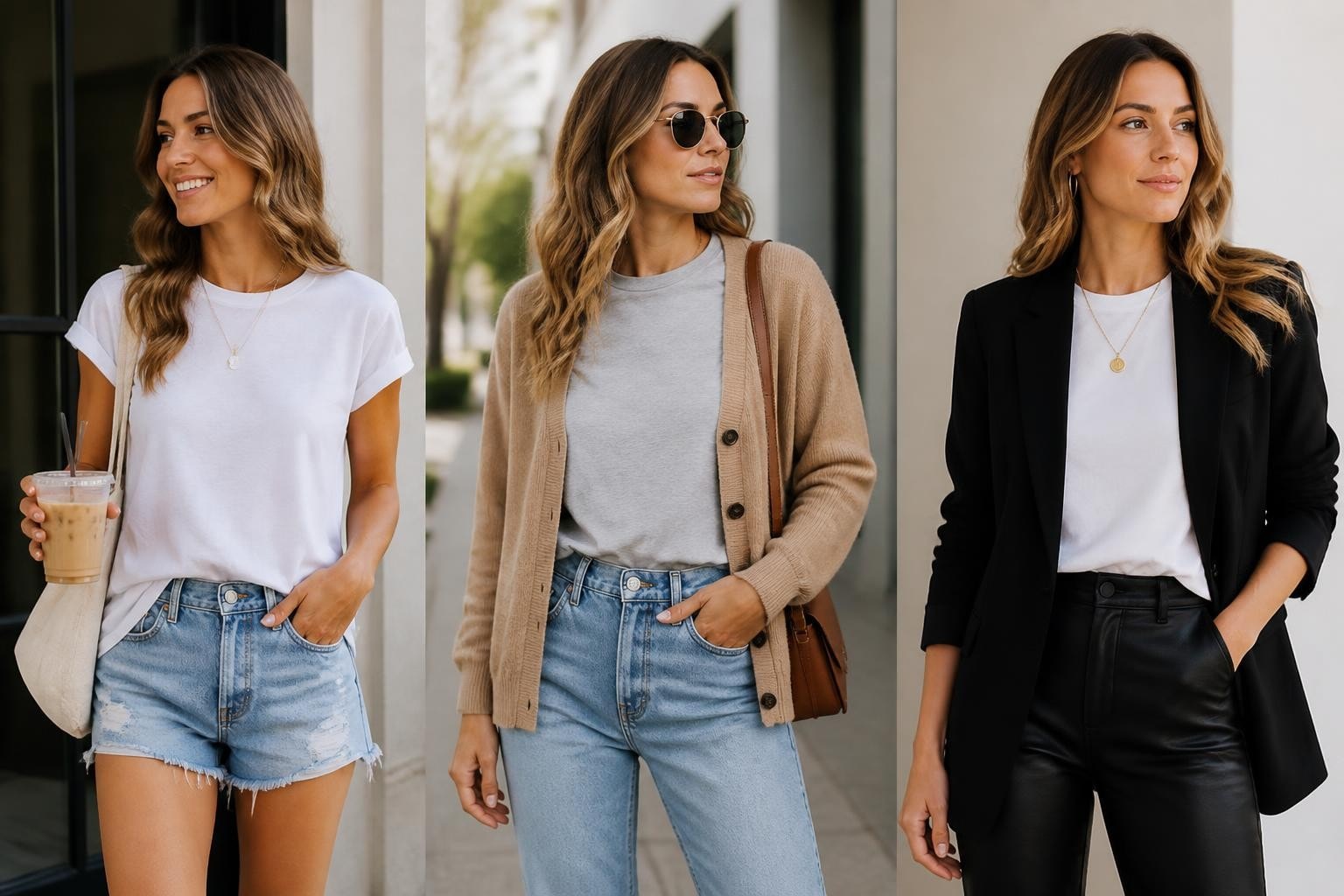
The comfort of stretchy tees makes them ideal foundations for relaxed outfits. Pair them with jeans, shorts, or joggers for weekend activities. The form-fitting nature means they tuck smoothly into bottoms without bulking, creating clean lines that elevate casual looks beyond typical sloppy comfort wear.
Layering opportunities multiply with stretchy tees because their slim profile slides easily under:
- Button-up shirts for smart-casual combinations
- Cardigans and sweaters without adding bulk
- Jackets and blazers for polished ensembles
- Hoodies for athletic-inspired streetwear looks
Active and Athletic Settings
Performance applications represent stretchy tees at their finest. The best fabrics for stretchy t-shirts in athletic contexts combine high stretch percentages with moisture-wicking capabilities and quick-drying properties.
Consider these activity-specific requirements:
| Activity | Recommended Stretch | Priority Features |
|---|---|---|
| Yoga/Pilates | 50-100% (4-way) | Recovery, breathability |
| Running | 25-50% | Moisture-wicking, lightweight |
| Gym training | 40-60% | Durability, shape retention |
| Hiking | 30-50% | Temperature regulation, odor resistance |
The right stretchy tee enhances performance by eliminating distractions from restrictive clothing. Athletes appreciate how quality stretch fabrics maintain their shape even during intense movement cycles.
Shopping Considerations and Quality Indicators
Identifying well-constructed stretchy tees requires understanding quality markers that separate exceptional garments from mediocre ones. Smart shopping saves money long-term by investing in pieces that endure.
Construction Quality Checkpoints
Examine these areas when evaluating stretchy tees:
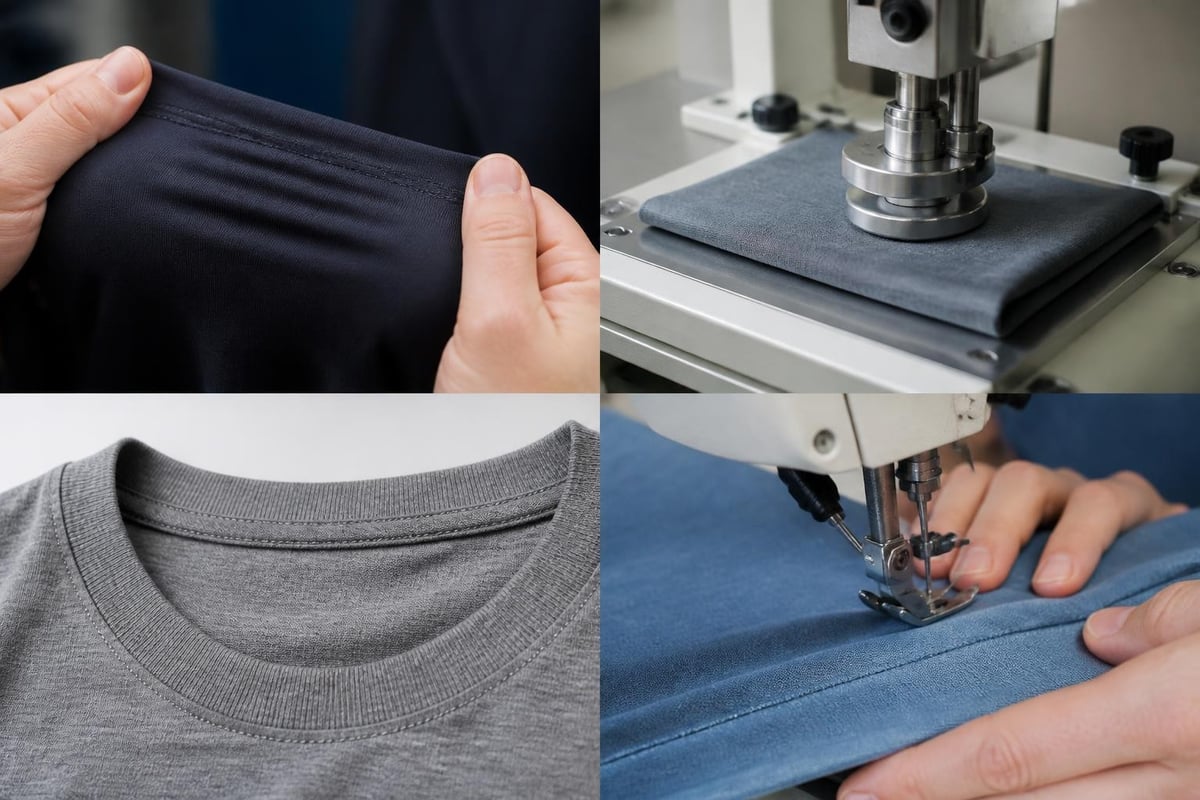
- Seam integrity: Stitching should be even and tight, particularly at stress points like shoulders and underarms
- Hem finishing: Clean, consistent hemming at sleeves and bottom indicates careful manufacturing
- Fabric consistency: No thin spots, snags, or irregularities in the knit pattern
- Color uniformity: Even dyeing without streaks or variations suggests quality control
- Collar construction: Reinforced necklines that resist stretching maintain appearance longer
Feel the fabric between your fingers. Quality stretchy tees have a substantial hand despite their flexibility, indicating adequate fabric weight and density. Thin, flimsy materials typically lack durability regardless of fiber content.
Price-Value Balance
While premium stretchy tees cost more initially, their longevity often delivers better value than cheaper alternatives requiring frequent replacement. Calculate cost-per-wear rather than focusing solely on purchase price. A $30 tee worn 100 times costs $0.30 per use, while a $10 tee worn 20 times before losing shape costs $0.50 per use.
Investment-worthy features include:
- Pre-shrunk fabrics that maintain size after washing
- Colorfast dyes resistant to fading
- Reinforced construction at high-stress zones
- Quality fiber blends from reputable manufacturers
- Care labels with detailed washing instructions
Sustainability and Fabric Innovation
The stretchy tee market continues evolving as manufacturers develop more sustainable materials and production methods. Environmental consciousness increasingly influences purchasing decisions, making eco-friendly options more accessible than ever.
Sustainable Stretch Materials
Traditional elastane production involves petroleum-based chemicals, but alternatives are emerging. Bio-based elastane derived from renewable resources offers similar performance with reduced environmental impact. Recycled polyester blended with natural or synthetic stretch fibers creates functional fabrics while diverting waste from landfills.
Organic cotton combined with stretch fibers represents another sustainable option. While organic cultivation requires more land and water than conventional cotton, it eliminates pesticides and synthetic fertilizers from the production cycle. The stretch component still typically uses synthetic elastane, but the overall environmental footprint decreases.
Emerging Technologies
Research into knitted fabric geometry and elasticity continues advancing our understanding of how structure creates stretch without relying solely on elastane content. Innovative knitting patterns can generate substantial flexibility using 100% natural fibers, though these technologies haven't yet reached mass-market price points.
Smart fabrics incorporating temperature-regulating materials or antimicrobial treatments represent another frontier. These additions enhance the already impressive functionality of stretchy tees, though they sometimes compromise recyclability at end-of-life.
Versatility Across Demographics
Stretchy tees serve diverse populations, each with specific needs and preferences. Understanding how different groups benefit from stretch technology helps retailers and consumers alike make appropriate selections.
Children's and Youth Applications
Kids' stretchy tees accommodate rapid growth spurts better than rigid fabrics. The give in the material extends the useful life of garments as children develop, reducing replacement frequency. Active play demands durability and flexibility that stretch fabrics readily provide.
Parents appreciate how stretchy tees simplify dressing routines. The forgiving fit makes it easier for young children learning to dress themselves, while the fabric's recovery properties mean garments maintain presentable appearances throughout busy days.
Adult and Professional Contexts
Adults increasingly choose stretchy tees for office environments as workplace dress codes relax. Paired with blazers and dress pants, quality stretchy tees create polished looks suitable for many professional settings. The comfort factor improves focus and productivity by eliminating clothing-related distractions.
Those working from home particularly value how stretchy tees bridge the gap between comfort and presentability during video calls. The neat appearance satisfies professional standards while the flexibility supports comfort during long sitting sessions.
For additional wardrobe inspiration that combines comfort with style, explore the variety of options at TeninoVentures, where graphic tees and comfortable apparel meet diverse lifestyle needs.
Sizing and Fit Optimization
The stretch in stretchy tees complicates sizing decisions compared to traditional garments. Understanding how different brands approach sizing helps you find the perfect fit without extensive trial and error.
Fit Style Preferences
Stretchy tees come in various fit profiles:
- Slim fit: Closely follows body contours, emphasizing the stretch fabric's adaptive qualities
- Regular fit: Balanced approach offering room without looseness
- Relaxed fit: Generous proportions using stretch for comfort rather than form-fitting
- Athletic fit: Accommodates muscular builds with extra room in shoulders and chest
Your preferred fit style should align with intended use. Athletic activities often benefit from slim or athletic cuts that stay in place during movement, while casual wear might favor relaxed fits prioritizing ease.
Brand Sizing Variations
No universal sizing standard exists, meaning a medium from one manufacturer differs from another's. Consult size charts that include actual garment measurements rather than relying on S/M/L designations alone. Key measurements include:
- Chest width (measured flat across)
- Body length (from shoulder seam to hem)
- Sleeve length (from shoulder seam to cuff)
- Shoulder width (seam to seam across back)
The stretch factor provides some tolerance for measurement variations, but starting with accurate baseline sizing ensures optimal comfort and appearance. When between sizes, consider whether the garment will be worn fitted or loose and choose accordingly.
Understanding different fabric types helps explain why sizing varies. Knit construction inherently offers more give than woven alternatives, making stretchy tees more forgiving of minor sizing discrepancies.
Stretchy tees deliver unmatched comfort and versatility through carefully engineered fabric blends and construction techniques that adapt to your body and activities. By understanding stretch percentages, fiber compositions, and quality indicators, you can select garments that serve you well across multiple contexts while maintaining their performance characteristics through proper care. Whether you're seeking everyday comfort pieces or performance athletic wear, TeninoVentures offers a thoughtfully curated selection of graphic tees, sweatshirts, and activewear designed to move with you through every moment of your day.

Leave a comment
This site is protected by hCaptcha and the hCaptcha Privacy Policy and Terms of Service apply.