
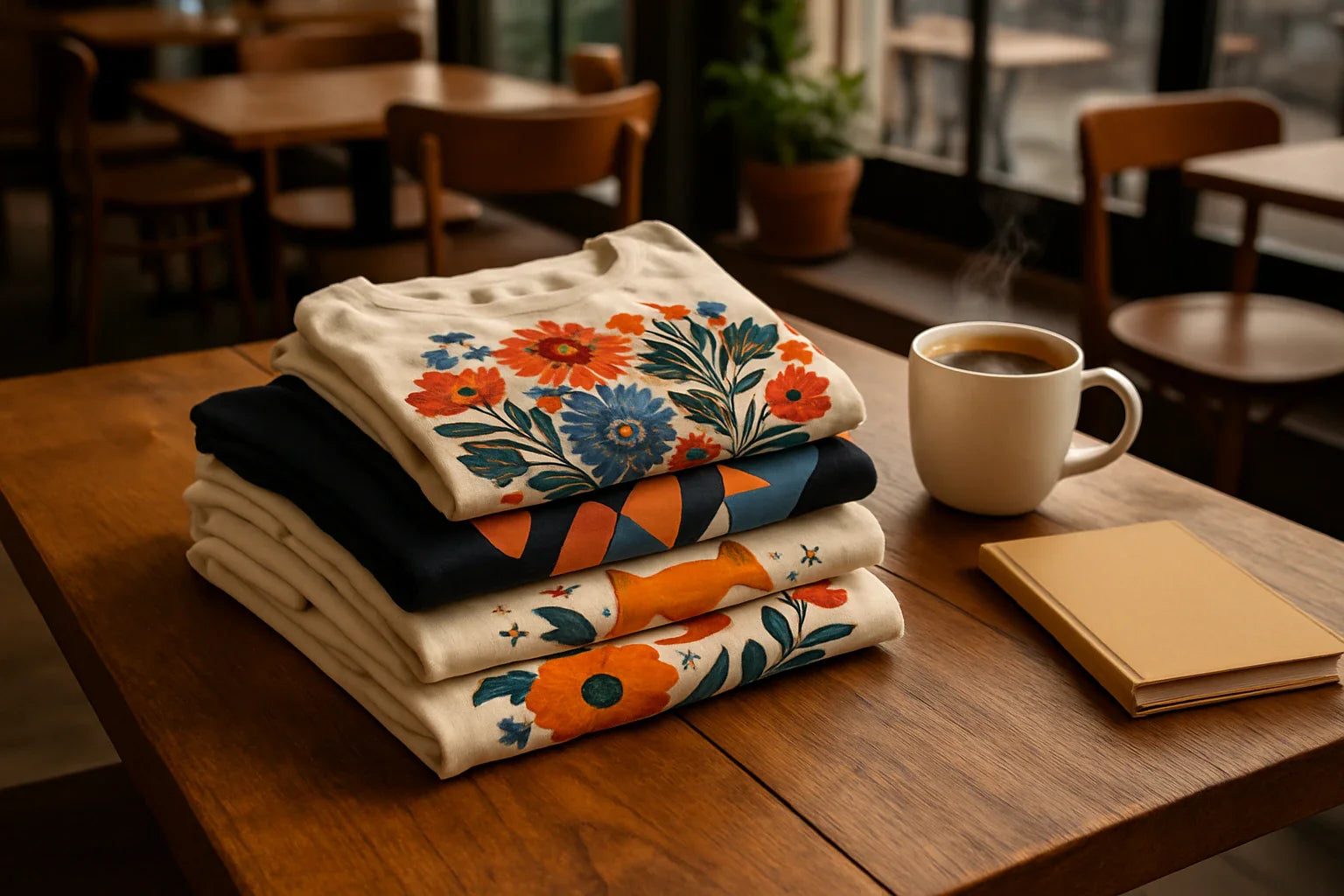
The Beginner's Guide to Styling Graphic Tees
Introduction to the Graphic Tee Phenomenon
Imagine stepping into your favorite local boutique or scrolling through an online marketplace and being greeted by a T-shirt that speaks to you—whether it’s a stunning retro band logo, a witty slogan, or a lush botanical illustration. This isn’t just casual clothing—it’s wearable storytelling, and it’s a phenomenon in modern fashion culture. In today’s dynamic apparel landscape, tees with personality are capturing attention like never before, as consumers crave unique expressions that go beyond bare basics.
Recent market insights reveal just how influential this segment is. The global T-shirt market is forecasted to grow from approximately $185.2 billion in 2024 to $221.5 billion by 2032, with customized and printed designs being pivotal growth drivers. The rise of casual fashion, e-commerce expansion, and personalized apparel are all fueling this surge Credence Research.
In the United States—home to the largest T-shirt market globally—total revenue in 2025 is estimated at $11.19 billion. A rising demand for vintage-inspired graphic T-shirts underscores the consumer tendency toward nostalgia and self-expression in fashion Statista. What’s more, research specific to graphic tees projects a global segment value of over $3 billion in 2025, expected to grow at a compound annual rate of 7.29%, underscoring their accelerating popularity WENKH Research.
The increasing accessibility of digital printing technologies like direct-to-garment, along with the rise of on-demand services, has further lowered barriers for independent designers and small brands to create limited-edition runs or custom drops. Meanwhile, eco-conscious consumers are prompting the adoption of organic cotton, recycled fabrics, and water-based inks, transforming sustainability from a bonus to an expectation WENKH Research.
This introduction sets the stage for exploring how graphic tees have evolved from novelty prints into cultural touchpoints. In the sections to follow, we’ll uncover actionable strategies for designers and marketers, explore trend cycles rooted in nostalgia and tech, and spotlight real-world examples of brands mastering this expressive apparel space. Get ready to discover how these seemingly simple wardrobe staples are shaping identities and influencing fashion-forward narratives.
Emerging Trends Shaping the Graphic Tee Landscape
Building naturally on the cultural resonance you’ve already explored, this section examines the actionable trends currently transforming the graphic tee arena. Recent market data shows that graphic and printed designs drive approximately 38% of T‑shirt purchases worldwide, with eco‑friendly materials gaining traction—nearly one‑third of buyers actively seek sustainable options in their wardrobe choices GlobalGrowthInsights. These insights highlight a pendulum swinging between visual innovation and conscientious consumerism.
Seasonal and Nostalgic Design Cycles
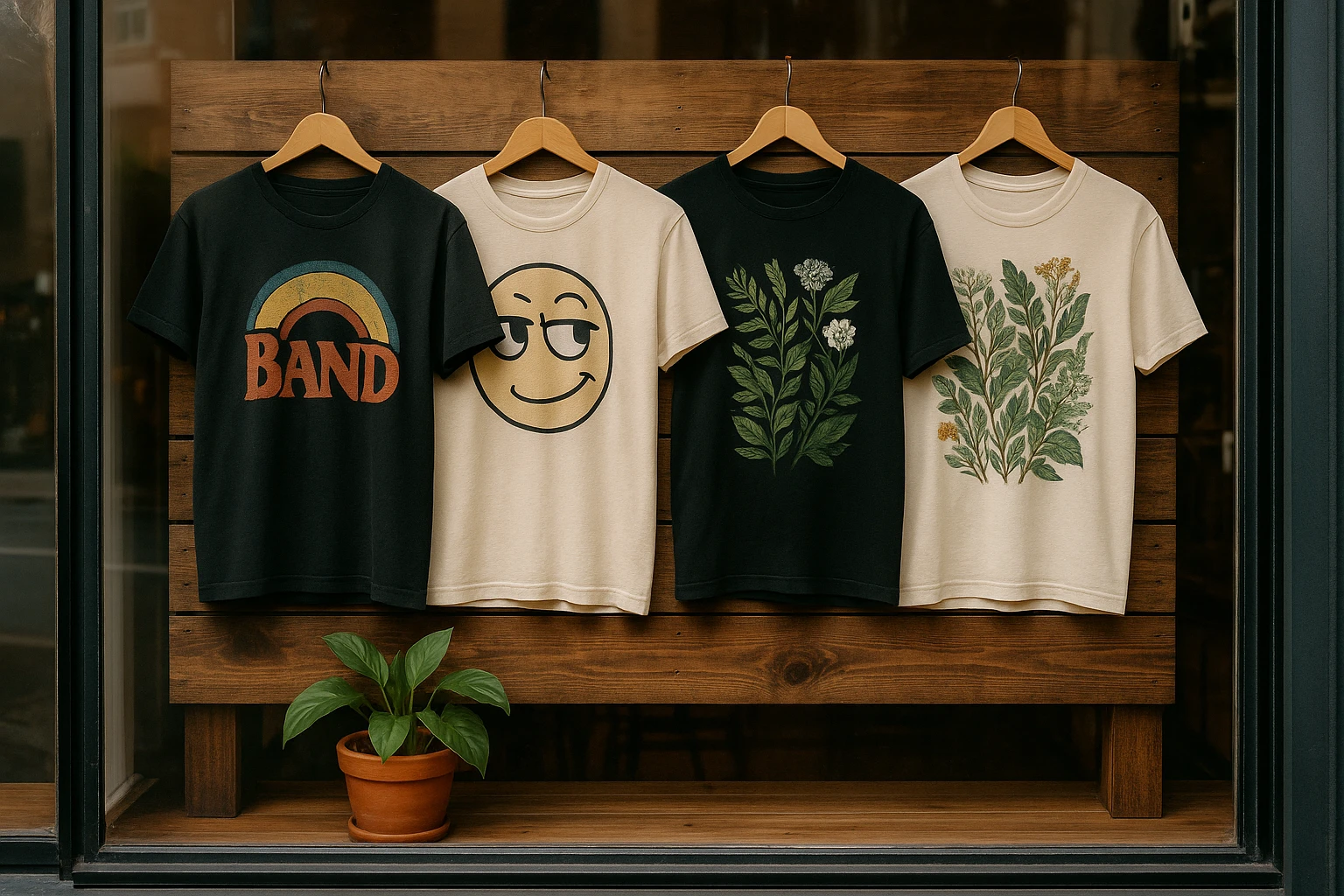
Seasonal demand plays a significant role, particularly during summer and back‑to‑school seasons. Google Trends data reveals that searches for “band graphic tees” peaked at 87 in June 2025, while “retro graphic tees” also surged during the same period Accio Trends. Brands can leverage this by timing collections to coincide with music festivals or nostalgia-driven marketing moments, ensuring designs align with waves of consumer interest.
Minimalist Aesthetics & Earth-Toned Palettes
A significant design shift toward understated visuals has emerged. According to Chummy Tees’ 2024 sales review, minimalist graphics—such as single words, clean icons, and refined typography—saw strong growth, while muted earth tones like heather gray, latte, and natural tan became preferred color choices Chummy Tees report. For creators and retailers, this signals an opportunity to offer tees that balance subtlety with expressiveness, aligning with the broader minimalist lifestyle movement.
Subculture Humor and Animal Graphics
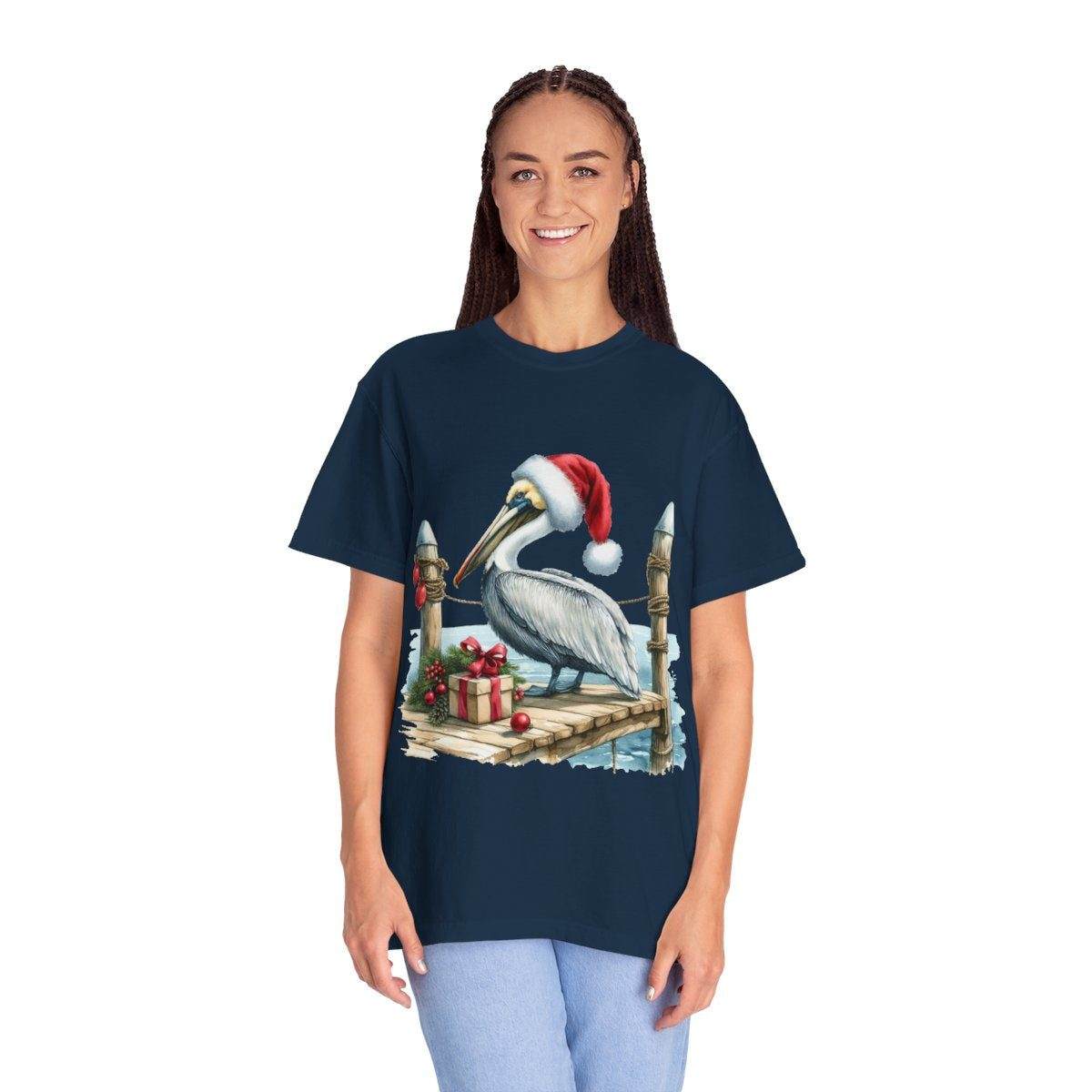
Data from Chummy Tees also underscores the rise of niche humor—designs rich in internet in-jokes or subculture references—that resonate deeply with smaller audiences, outperforming broader, more generic jokes Chummy Tees report. Additionally, animal motifs—ranging from adorable cartoons to realistic wildlife—remain highly popular, reflecting both meme culture and rising environmental awareness. Brands who weave personality and authenticity into their tees can foster stronger community engagement.
Strategic Takeaways for Designers and Marketers
- Time your launches around summer seasons or events tied to retro or music culture to capture spikes in interest.
- Experiment with minimalist and nature-inspired palettes to appeal to consumers seeking versatile, everyday wear.
- Tap into niche subcultures or fandoms with clever, targeted humor that encourages social sharing and word‑of‑mouth.
- Incorporate animal imagery thoughtfully—whether for its aesthetic appeal or symbolic meaning—to enhance emotional connection.
These actionable insights set the stage for navigating the evolving graphic tee market. In the next section, we’ll explore how emerging technologies like AR, AI, and customization are further transforming both creation and consumer experience.
The Rise of Graphic Tees in Popular Culture
Graphic tees have carved a significant niche within popular culture, becoming a staple in wardrobes across generations. Emerging from the vibrant streetwear scenes of the late 20th century, these tees quickly evolved from mere attire to powerful vehicles of expression. Their popularity surged due to their unique capacity to convey personal and cultural narratives, often reflecting societal movements and trends.
One notable case is the iconic Che Guevara tee, which became an emblem of rebellion and political consciousness during the 1960s and 70s. Such tees did more than just adorn bodies; they sparked conversations and fostered connections among individuals with shared ideologies. According to a study by Marketing Week, nearly 90% of people recognize a well-designed graphic tee as an effective conversation starter, highlighting their role in social interactivity.
Artists and Designers: Crafting Narratives
Modern artists and designers utilize graphic tees to broaden their reach and visibility, often merging artistic innovation with commercial appeal. These wearable canvases allow creators to showcase their work beyond traditional formats, tapping into a demographic that values both aesthetics and authenticity. For instance, the collaboration between Japanese artist Takashi Murakami and fashion brands exemplifies how art and fashion intersect through graphic tees, bringing fine art to a larger audience.
The business impact of these collaborations is evident. According to Business Insider, sales soared by over 30% following the launch of Murakami's line, underscoring the commercial viability of creative partnerships in the graphic tee market. This successful marriage of art and commerce continues to inspire and attract consumers globally.
Social Media's Role in Popularizing Graphic Tees
Social media platforms have further amplified the reach of graphic tees, transforming them into must-have items that capture the zeitgeist. When influencers and celebrities don these tees, especially those bearing poignant messages or unique designs, they immediately gain traction among fans and followers. This phenomenon is evident on platforms like Instagram, where hashtags related to graphic tees frequently trend, garnering millions of interactions.
Brands leverage this digital landscape to drive campaigns that resonate with their target audiences. By tapping into social media’s pervasive influence, businesses can swiftly propel a graphic tee from obscurity to mainstream popularity. The ability to seamlessly blend social messaging with fashion has cemented graphic tees as more than just clothing; they are powerful cultural symbols that continue to shape fashion narratives.
Market Momentum and Strategic Insights
Continuing from the exploration of cultural resonance and social influence, it’s important to understand the broader commercial context driving this trend. The overall US T‑shirt market has seen robust traction, with projected revenue of approximately US$11.19 billion in 2025. This growth is notably propelled by a rising affinity for vintage-inspired designs that offer both nostalgia and personal expression Statista. Within that, merchandise featuring expressive prints is capturing attention and shaping demand.
Zooming in on the graphic tees segment, market research underscores substantial expansion: the global graphic tees market was valued at roughly US$5.46 billion in 2024 and is expected to climb to about US$5.78 billion in 2025, with a projected rise to US$10.2 billion by 2035—underscoring a sustained consumer shift toward customizable and expressive apparel Wise Guy Reports. This upward trajectory presents a compelling opportunity for brands to innovate through tailored offerings and storytelling.
Brands looking to capitalize on this growth can draw inspiration from success stories across e‑commerce and pop culture collaborations. For instance, limited-edition drops tied to film releases, music artists, or social media influencers have proven especially effective in driving urgency and exclusivity. Companies like Adidas and Nike often release capsule collections that sell out rapidly, demonstrating the power of cultural alignment paired with scarcity.
On the operational front, leveraging direct‑to‑consumer channels and investing in online customization tools allow businesses to offer personalized designs at scale, improving both sales engagement and customer loyalty. One emerging trend involves incorporating sustainable materials—such as organic cotton or recycled blends—which resonates strongly with eco‑aware consumers without sacrificing aesthetic appeal Credence Research via PR Newswire.
Transitioning from cultural impact to strategic execution, brands should align design authenticity with operational agility—a dual focus that ensures their creations are not only visually compelling, but also thoughtfully delivered. Companies that blend storytelling, sustainability, and scarcity through well‑timed campaigns will find themselves at the forefront of a market that continues to evolve.

Conclusion: Unleashing the Power of Graphic Tees
Graphic tees have transcended their humble beginnings to become a staple in wardrobes around the world. This ever-evolving fashion piece not only acts as a canvas for artistic expression but also serves as a medium for personal storytelling and social commentary. As we explore the diverse landscape of graphic tees, the key takeaway is their versatility and enduring appeal across different demographics.
Actionable Insights for Fashion Enthusiasts
For consumers, understanding the broad spectrum of styles available can enhance your wardrobe with unique and personalized pieces. A practical approach is to explore niche retailers and online platforms where independent artists showcase their designs. Supporting these creators not only diversifies your closet but also encourages the art community. According to Forbes, independent artists gain significant exposure and revenue by selling their functional art on graphic tees.
Opportunities for Small Businesses
Small businesses can capitalize on this trend by stocking limited edition designs that tap into current cultural movements and themes. Developing partnerships with local artists to co-create exclusive designs can set brands apart in a saturated market. Brands that embrace sustainability by using eco-friendly materials in their graphic tees also capture the growing segment of environmentally conscious consumers. As Business Insider highlights, sustainable fashion is no longer just a niche but a significant industry driver.
The Future of Fashion
Looking ahead, graphic tees will continue to evolve with technological advancements and shifting consumer preferences. Developments like customizable printing options and augmented reality integrations are set to redefine the user experience, allowing consumers to try on designs virtually before purchasing. Fashion-forward brands that embrace these innovations will likely lead the pack.
Ultimately, the appeal of graphic tees lies in their unique blend of individuality and accessibility. Whether you're a consumer looking to express your personality or a business aiming to connect with your audience, graphic tees offer limitless possibilities. Dive into this vibrant world today and explore how these wearable art forms can enrich both your wardrobe and your business.

Leave a comment
This site is protected by hCaptcha and the hCaptcha Privacy Policy and Terms of Service apply.