

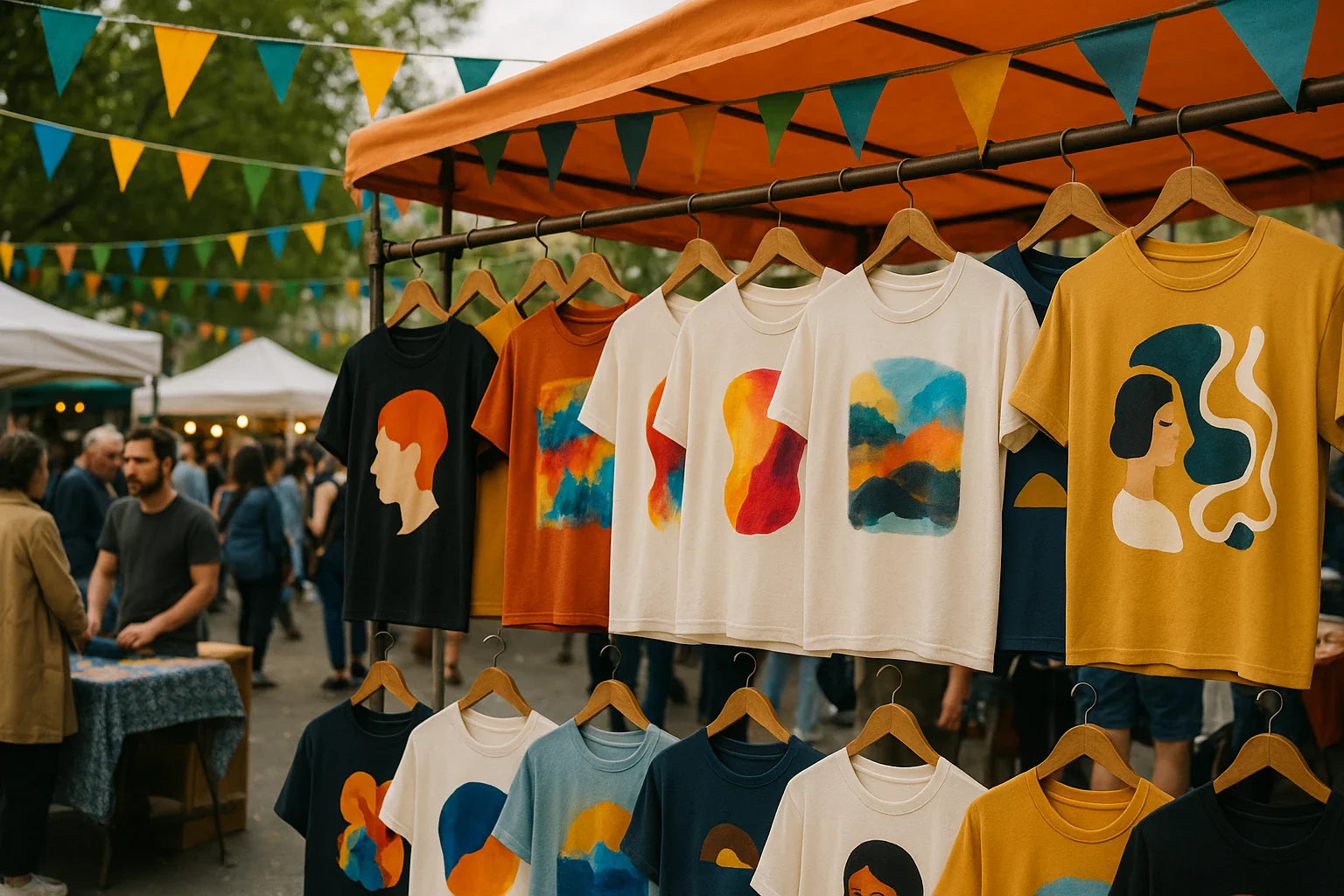
The Ultimate Guide to Made-to-Order Tees: Customize Your Style
Introduction
Imagine slipping into a t-shirt that feels as though it was crafted just for you—not mass-produced, but thoughtfully tailored to your style, values, and identity. This is the essence of modern customization in apparel. With demand rising for products that stand out in a sea of uniformity, businesses and creators are turning to a way of working that sidesteps excess inventory and elevates customer connection. Brands are increasingly capitalizing on the benefits this brings, including sustainability, personalization, and better margins.
The Rise of Personalized Apparel
Driven by consumer desire for individuality, the global custom t-shirt printing market continues to flourish. In 2025, it reached an estimated $4.9 billion in value and is projected to nearly double—approaching $9.0 billion by 2034—signaling a strong surge in demand for expressive, unique garments IMARC Group market report. In the U.S., platforms leveraging direct-to-garment (DTG) printing and e-commerce have made the process faster, more accessible, and scalable Ken Research insights.
Why This Matters Now
Nearly 80% of custom t-shirt production is done by small and medium-sized enterprises, emphasizing how accessible and diverse this space truly is Globe Newswire report. At the same time, sustainability emerges as a core differentiator—made‑to‑order methods drastically reduce waste by producing only what’s ordered, a clear advantage over traditional fast-fashion models Design Delight Studio. Consumers are not only embracing personalization—they’re demanding responsibility.
Set the Stage for Deeper Exploration
As we delve into this topic, the following sections will unpack how made‑to‑order tees blend efficiency with creativity, examine the tools and techniques facilitating this shift, and reveal how brands are positioning themselves to meet rising consumer expectations—turning customization into a competitive edge.
Ready to explore the world where creativity meets strategy and sustainability meets style? Let’s continue.
Unifying Efficiency and Sustainability in Apparel Production
Transitioning seamlessly from the promise of creativity and strategy, this part delves into how made to order tees not only elevate design freedom but also drive operational efficiency and environmental responsibility. Brands that embrace this model unlock tangible benefits across their supply chains.
Streamlined Supply Chains and Waste Reduction
By producing only when a customer places an order, brands sharply reduce the risk of overproduction and excess inventory—one of the largest cost drains in traditional apparel models. For example, print-on-demand (POD) systems generate garments only on demand, effectively eliminating surplus stock and associated markdowns—an approach that aligns closely with made to order tees strategies. According to research, the global textile printing market, driven by such on-demand methods, is projected to reach around $266 billion by 2025, with the POD fashion segment growing at roughly 10% annually en.wikipedia.org.
Meanwhile, sustainability-focused producers leveraging Direct-to-Garment (DTG) printing can cut water usage in the printing process by up to 95%, use non-toxic water-based inks, and minimize wastewater—key advantages over traditional screen printing dancustomify.com. When combined with localized production centers—fulfilling 86–87% of orders in the same region—shipping-related carbon emissions per order can shrink by as much as 67% dancustomify.com.
Technology-Enabled Agility and Responsiveness
Efficient adaptation to customer demand depends heavily on agile supply chains. Industry guidance recommends diversifying supplier bases, investing in digital tools such as CAD, ERP systems, automation, and AI to coordinate operations, forecast demands, and optimize scheduling—all of which enhance turnaround times and responsiveness uphance.com.
Advanced technologies also support modular production setups and cross-trained teams, enabling rapid transitions between designs with minimal downtime. These flexible environments are vital when managing the variability inherent in made to order tees, ensuring consistency despite the uniqueness of each garment uphance.com.
Comparison of Traditional vs. Made‑to‑Order Production
| Aspect | Traditional Mass Production | Made‑to‑Order (e.g., “made to order tees”) |
|---|---|---|
| Inventory | Large bulk stock, high risk of unsold items | Zero excess inventory, each piece produced per order |
| Environmental Impact | High water use, toxic inks, long shipping chains | Up to 95% water reduction, non-toxic inks, local production |
| Operational Flexibility | Rigid production runs, slow adaptation to trends | High agility via digital tools and supplier flexibility |
| Delivery Time | Generally faster for bulk items | Potentially longer, but offset by customization value |
The table underscores how the made to order tees model reframes priorities—trading speed for precision, waste reduction, and consumer alignment.
Looking ahead, brands that integrate sustainable technologies like DTG printing, local fulfillment networks, and smart supply chain tools can deliver *made to order tees* that are not only efficient but also resonate deeply with eco-conscious and design-savvy consumers. In the next section, we'll explore how these innovations are shaping brand strategies and competitive positioning.
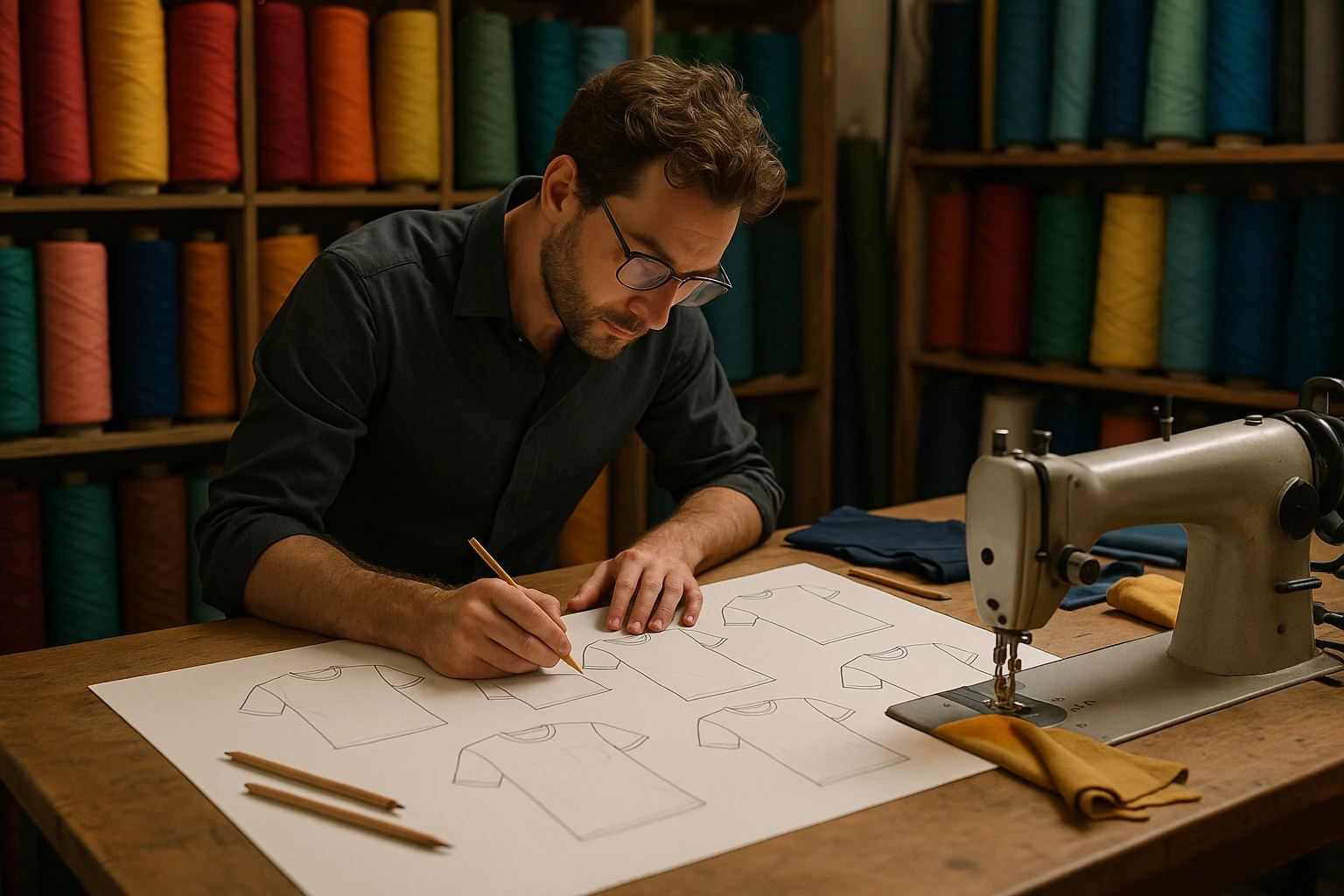
The Process of Creating Made to Order Tees
Creating made to order tees involves a meticulous process that combines creativity with precision. It starts with a clear understanding of the client's vision. Once a concept is established, designers translate these ideas into detailed sketches. These sketches capture not only the aesthetic values but also technical specifications like color schemes, fabric choices, and design elements.
Following the design phase, the selection of high-quality materials becomes critical. Different fabrics such as cotton, polyester, or blends are chosen based on the target audience's needs. Each material offers unique qualities; for instance, cotton is breathable and soft, making it ideal for casual wear, while polyester offers durability and moisture-wicking properties suitable for sports apparel.
The production stage involves cutting and assembling the fabric pieces according to the customized patterns. Skilled artisans carefully sew the tees, ensuring each piece meets the client’s specifications. The use of advanced technology, such as computer-aided design (CAD), enhances precision and efficiency in pattern making and fabric cutting.
Customization Techniques and Trends
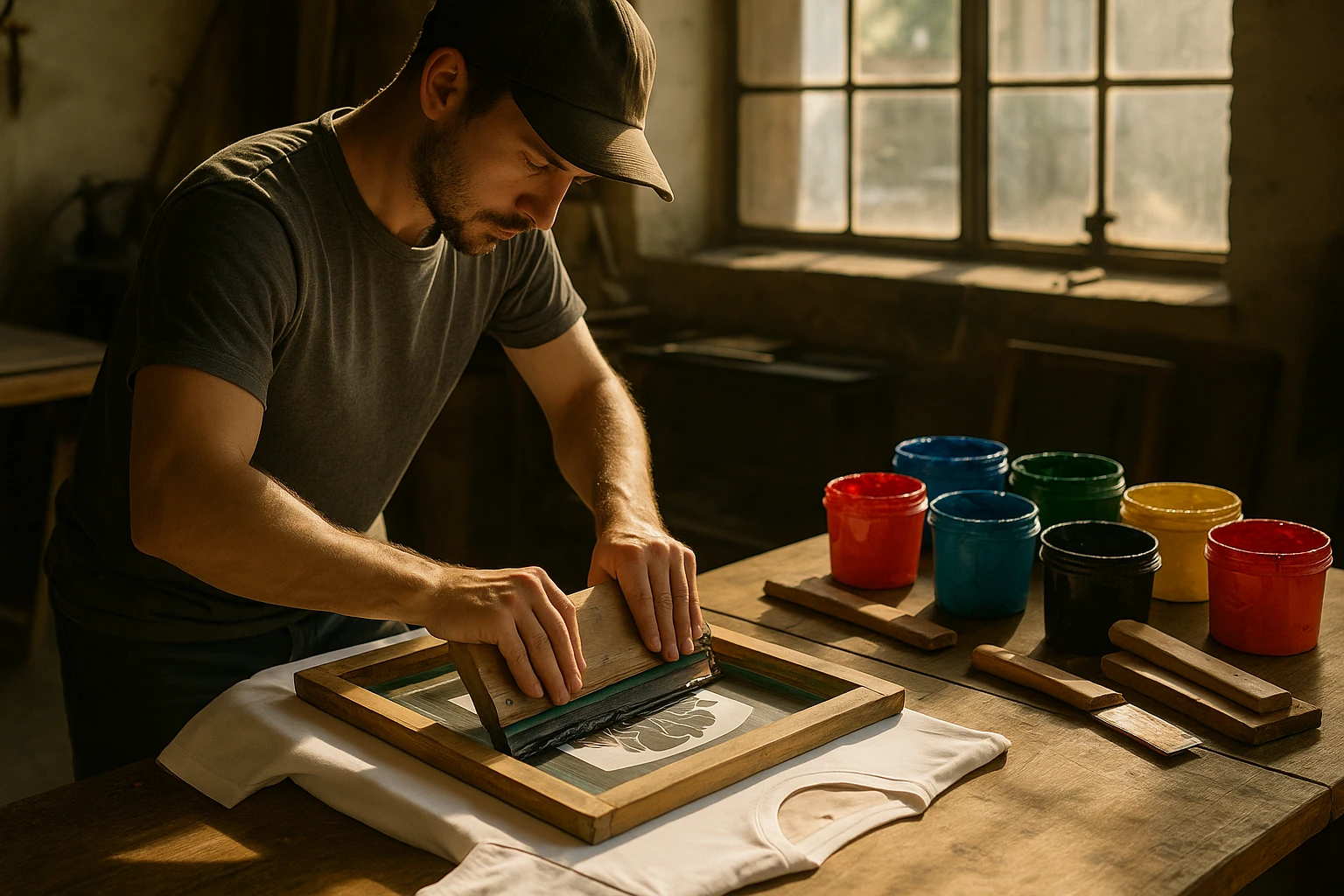
Customization options extend beyond fabric and fit. Techniques such as screen printing, embroidery, and digital printing allow for personalized graphics and logos to be added seamlessly. An increasing trend is the use of eco-friendly dyes and sustainable practices, which appeal to environmentally conscious consumers according to Forbes.
The final step involves stringent quality control. Each tee is inspected for imperfections, ensuring that the product not only meets the aesthetic expectations but also adheres to high-quality standards. This attention to detail and commitment to quality is what sets made to order tees apart from mass-produced alternatives.
For businesses, leveraging platforms like Tenino Ventures can streamline the production and distribution process, enhancing both efficiency and quality. Their innovative solutions allow designers and manufacturers to focus on creativity and craftsmanship while ensuring timely delivery and customer satisfaction.
Scaling Operations with Made-to-Order Efficiency
Transitioning from general commentary to actionable strategies, business owners looking to succeed in the made-to-order tees space must optimize both their operations and market approach. A critical advantage of on-demand production models is the ability to launch without holding inventory, thereby minimizing upfront costs and reducing financial risk. In fact, the global print-on-demand (POD) market is on pace to reach approximately $13 billion in 2025, with apparel—especially T-shirts—dominating at around 37% of sales, highlighting the growing consumer appetite for custom garments Wix blog and Accio.
In practice, streamlined production and fulfillment are essential. Printful reports that in the U.S., T-shirt revenue is projected to reach $5.53 billion in 2025 with a steady annual growth rate of 3.19% through 2029. Custom artwork, particularly graphic designs, continues to outpace generic ones due to its resonance with modern consumers seeking personalized expression Printful via EIN Presswire. Digital printing techniques like DTG are rising quickly, with digital printing expected to expand by over 12.5% annually through 2030, while offering faster turnaround and reduced environmental impact Printful via EIN Presswire.
For brands embracing on-demand models, the key strategy lies in combining automation with market awareness. Platforms such as Printify and Printful now offer AI-enabled design tools and seamless integration with e‑commerce systems like Shopify or Etsy, enabling sellers to rapidly test designs and respond to consumer preferences. Moreover, fulfillment networks expanding globally—especially across Asia-Pacific, the fastest-growing region—help reduce shipping times and broaden market reach Printify blog.
Concrete examples illustrate these efficiencies: one U.S. apparel brand leveraging Printful tested limited-run, seasonally themed graphic collections, which led to increased sell-through rates and concentrated revenue—over 60% was generated by top-performing designs Printful via EIN Presswire. Similarly, sellers who niche down—targeting specific communities like retro gamers or pet lovers—can stand out amidst broader competition by offering curated designs that speak directly to engaged audiences Printify blog.
In summary, combining made-to-order flexibility with smart automation, market-aware design strategy, and global fulfillment empowers creators to scale effectively. By focusing on data-driven design testing, tech-enabled production, and niche differentiation, businesses can boost both efficiency and profitability—without sacrificing agility or creative control.
Conclusion
As we've explored, made to order tees offer a unique blend of creativity, personalization, and sustainability. They provide consumers with the opportunity to express their individuality while supporting sustainable practices. This personalized approach caters to diverse tastes and allows for a more intimate connection between brands and consumers, creating loyal followers and satisfied customers.
One actionable insight is to leverage the power of storytelling in your designs. By reflecting personal narratives or cultural themes, you add a layer of emotional resonance to your tees. Artists and creators can take advantage of platforms that allow them to connect with global audiences, using made to order tees as a vehicle for their art. Custom designs can accentuate current trends or timeless themes, making them appealing to a broader market segment.
Adopting a sustainable approach is another essential takeaway. Considering environmentally friendly materials and processes not only appeals to eco-conscious consumers but also positions your brand as a responsible entity. According to a report by Statista, a significant portion of global consumers prefer brands that prioritize sustainability. This trend is particularly notable among younger demographics who are increasingly influential in the market.
To effectively blend creativity with business acumen, consider seeking expert assistance. Leveraging professional support can streamline the transition from concept to creation. Tenino Ventures is a recommended resource for those looking to delve deep into the made to order tees market. Their comprehensive support can help navigate the complex landscape of custom apparel, ensuring that your brand stands out.
In conclusion, made to order tees are more than garments; they are platforms of expression and engagement. By fostering innovation and embracing sustainability, you can create designs that not only capture attention but also inspire loyalty. As you venture into this exciting realm, remember that the key to success lies in aligning your artistic vision with consumer desires and broader societal trends. Embark on this journey with a strategic mindset and a creative spirit, and the rewards will undoubtedly follow.
Article Generated by Soogle
Leave a comment
This site is protected by hCaptcha and the hCaptcha Privacy Policy and Terms of Service apply.