
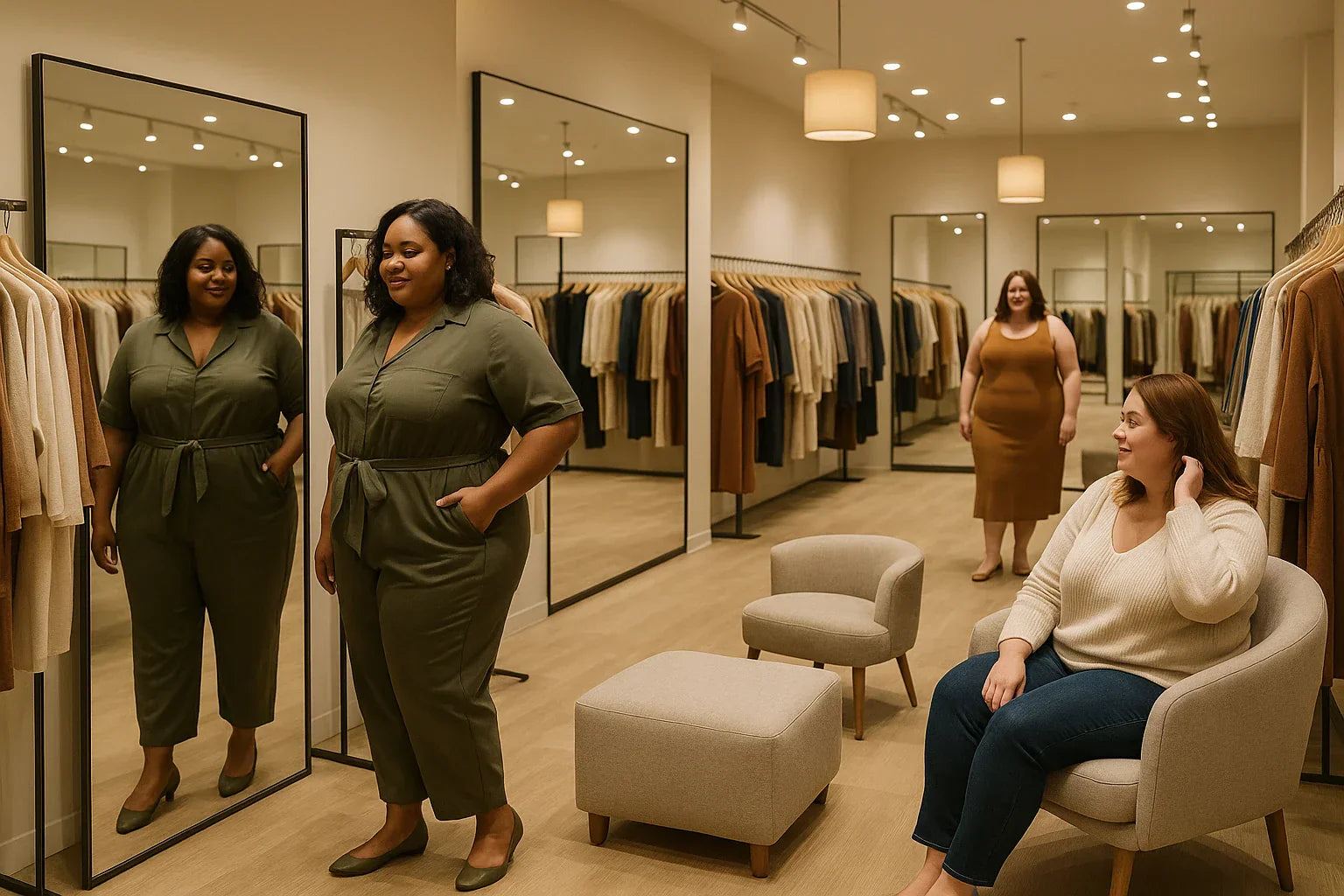
The Ultimate Guide to Size Inclusive Clothing: Fashion for Every Body
Introduction to Inclusive Fashion Evolution
Imagine walking into your favorite store and finding clothing that doesn’t just fit—you feel seen, confident, and celebrated. That vision is the driving force behind the rise of size inclusive clothing, a movement transforming the fashion industry and breaking down long-standing barriers. As demand grows, brands are responding with broader size ranges, inclusive campaigns, and fit technologies that make a real difference.
The Market Momentum
Inclusive apparel isn’t just socially progressive—it’s economically powerful. The global plus-size clothing market was valued at roughly USD 311 billion in 2023 and is forecast to reach USD 412 billion by 2030, growing at a steady CAGR of about 4.1% grandviewresearch.com. In the U.S. specifically, the segment generated around USD 37.3 billion in 2024 and is expected to keep growing thanks to cultural momentum and diverse consumer demand globenewswire.com.
Why It Matters
Behind these numbers lies a deeper consumer shift: roughly 70% of U.S. women wear size 14 or above, yet inclusive styles remain underrepresented prnewswire.com. Forward-thinking retailers are acknowledging this gap. For example, H&M now offers sizes up to 4XL online, while Walmart and River Island have expanded their collections to serve broader body types prnewswire.com.
Real-World Innovation and Representation
Beyond market size, fashion is evolving through thoughtful design and representation. Online swimwear collaboration by Katie Sturino and Kitty and Vibe offers sizes XS through 6X with bold prints and customizable fits—not to conceal, but to celebrate diverse bodies people.com. Meanwhile, Eloquii has emerged as a standout plus-size label, offering modern designs and standout runway moments even as many brands retreat from extended sizing whowhatwear.com.
Roadmap Ahead
This article will guide you through the landscape of inclusive fashion, covering market drivers, brand innovation, fit technology, consumer demand trends, and strategies for retailers to embrace inclusivity effectively. From emerging design approaches to leveraging data for personalized fit—a clear path forward exists for making fashion accessible, aspirational, and empowering for all.
By viewing inclusive clothing not just as a trend but as a lasting cultural and economic shift, brands and consumers alike can contribute to a more equitable style industry—one where every body is welcome, stylish, and celebrated.
Momentum and Market Realities of Inclusive Fashion
Building upon the cultural and economic shifts covered earlier, the current market reflects both opportunity and friction in advancing inclusive sizing. The global plus-size clothing market reached approximately USD 311 billion in 2023 and is projected to expand to around USD 412 billion by 2030, driven by rising consumer demand for stylish, well-fitting garments and increased representation in media and e-commerce platforms Grand View Research. At the same time, North America accounts for nearly 44% of the market share, with the U.S. alone representing the overwhelming majority of that demand Grand View Research.
Brands Defying Industry Retreat
Despite some major retailers pulling back on extended sizing—often citing cost or shifting beauty ideals—certain brands are making strong moves toward inclusivity. For example, Eloquii has experienced a revival under its creative director, presenting confident plus-size fashion at New York Fashion Week and achieving record profitability in 2025 Who What Wear. Meanwhile, Megababe founder Katie Sturino collaborated with Kitty and Vibe to launch a swimwear line that spans XS to 6X, featuring unretouched imagery and customizable fits—an intentional pushback against industry trends that are sidelining diverse bodies People.
Runway Representation Remains Limited
On the designer front, runway representation remains stubbornly low. Vogue Business’s Spring/Summer 2025 report documented that only 0.8% of runway looks were plus-size (US 14+), with an additional 4.3% mid-size (US 6–12)—leaving straight-size clothing dominating at nearly 95% of looks Vogue Business. This marginal improvement continued into the Spring/Summer 2026 season, where plus-size representation crept to just 0.9%, while mid-size dropped to 2% Vogue Business. The incremental nature of these changes indicates persistent structural barriers entrenched in fashion’s elite echelons.
Understanding the Business Case
Brands that remain committed to inclusive ranges are frequently rewarded. The market for plus-size apparel is expanding at a CAGR of around 4–5%, with casual wear especially dominant and profitable. For instance, casual plus-size clothing alone generated around USD 38 billion in 2023 and continues growing steadily Global Market Insights. Moreover, Credence Research highlights how personalized fit technologies, broader online search tools, and expanded size ranges—from XS to 10XL—deliver 40% more revenue via tailored offerings and drive higher engagement PR Newswire.
Clearly, the business and cultural imperative for movement exists. A closer look at market trends, consumer behaviors, and standout brands reveals both the roadblocks and the scalable strategies in making inclusive sizing a non-negotiable norm for fashion’s future.
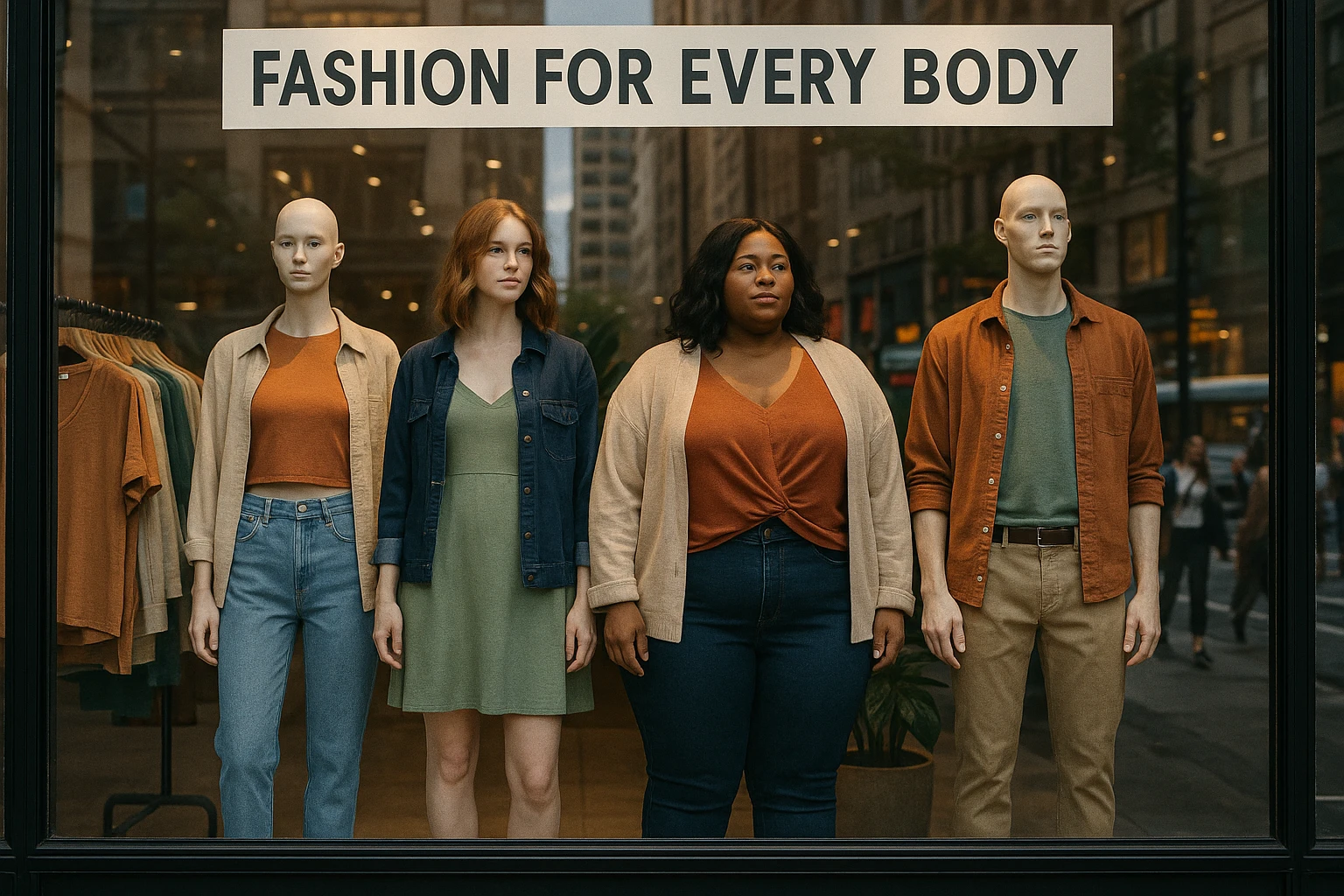
A vibrant storefront window display showcases a diverse array of mannequins dressed in trendy, size-inclusive clothing, with a sign overhead reading "Fashion for Every Body" amidst urban street bustle.
Driving Demand and Business Growth Through Inclusive Apparel
Size diversity isn't merely a moral imperative—it’s a powerful market driver. In fact, the global plus‑size clothing market reached approximately $119.4 billion in 2024 and is projected to grow at a 5.5 % CAGR to $202.4 billion by 2034; the U.S. alone accounted for $37.3 billion of that in 2024globenewswire.com. Another forecast suggests the broader plus‑size apparel segment may hit over $333 billion by 2025 and could soar to more than $500 billion by 2034custommarketinsights.com. These figures emphasize that embracing inclusive ranges aligns with substantial consumer demand.
In the U.S., women’s plus‑size retail generated an estimated $12.7 billion in 2023, with over 12,000 stores serving this marketstatista.com. Although this number has decreased from 2018, continued growth in omnichannel strategies and inclusive fit technologies signifies renewed momentum—particularly for brands that position size diversity at their core.
Strategic Advantages of Inclusive Collections
Brands that expand their size offerings see tangible results. A market analysis found that over 67 % of adult consumers globally fall into plus‑size categories, yet 41 % report limited style options and 29 % experience inconsistent fitindustryresearch.biz. By addressing these gaps, companies can tap into a significant underserved demographic.
Innovations like virtual try-on systems tailored to different body types are also proving valuable. For instance, the SiCo tool allows customers to visualize how different sizes appear on their own body, improving fit confidence and potentially reducing costly returnsarxiv.org.
Inclusive sizing also offers branding benefits. Shoppers increasingly expect representation in fashion, and brands that deliver it enjoy enhanced loyalty and word-of-mouth. By integrating inclusive design thoughtfully—not tagging it as a niche—companies make inclusivity feel natural and customer‑centric.
Real‑World Success Stories
-
Lane Bryant, Torrid, and Ashley Stewart remain leading U.S. retailers specializing in extended sizes; Torrid generated nearly $1.3 billion in revenue in 2022statista.com.
-
Online platforms such as 11 Honoré set an example by bringing high‑fashion inclusive lines to mainstream retail. The brand's 2019 inclusive runway show at New York Fashion Week, featuring plus‑size icons like Laverne Cox and Precious Lee, highlighted this potentialen.wikipedia.org.
Embracing inclusive sizing is not only socially responsible—it’s a strategic business play. Brands that meet the style and fit needs of a broader customer base unlock new growth paths, reduce returns, and foster a loyal, diverse audience. As shoppers demand representation, inclusive practices become essential components of long‑term fashion commerce success.
Driving Strategic Growth Through Inclusive Design and Representation
Building on the momentum of inclusive sizing highlighted earlier, brands can further capitalize on consumer loyalty and profitability through authentic storytelling and thoughtful representation. A recent industry revival demonstrates how size inclusive clothing has become more than a trend—it’s a competitive advantage. U.S.-based brand Eloquii, for instance, turned a retreat from extended sizing into an opportunity: under Creative Director Yesenia Torres, they staged a bold New York Fashion Week show featuring mostly plus-size models and broke records for profitability in 2023, with even stronger performance projected for 2025 Who What Wear. Such success underscores that inclusivity is not just socially responsible—it can be deeply lucrative.
Collaborations That Expand Reach
Strategic partnerships are another effective tactic. The “Sunny Side Up” swimwear collection, launched by body positivity advocate Katie Sturino in collaboration with size-inclusive brand Kitty and Vibe, spans sizes XS to 6X. It features vibrant prints and customizable fits designed to celebrate, rather than conceal, diverse bodies People. This kind of collaboration not only delivers fresh design energy but also taps into complementary customer bases and storytelling styles.
Embedding Inclusivity into Brand DNA
True inclusivity must extend beyond product lines to encompass hiring practices, design processes, and ethical operations. As noted by Vogue Business, Autumn/Winter 2025 runway shows included only 0.3% plus-size looks, signaling a widening gap between rhetoric and reality. Brands like Panty (size ranges from 2XL to 5XL and inclusive of transgender women) and Karoline Vitto (UK sizes 8–28) are changing the narrative by putting inclusive sizing at the very heart of their identity, both on the runway and in corporate values Vogue Business. These examples highlight how embedding inclusive design within a brand’s mission fosters authentic engagement and builds trust over time.
-
Ensure design teams reflect diverse body types and experiences to create truly inclusive fit.
-
Use customer feedback loops and inclusive fit models to refine size ranges and reduce return rates.
-
Leverage influencer collaborations and storytelling that center underrepresented shoppers in campaign materials.
-
Track performance metrics post-launch—profit margins, social sentiment, and return rates—to measure the impact of inclusive strategies.
Together, these approaches reinforce that inclusivity is not merely about expanding size ranges—it’s about building brands that speak to all consumers with intention, authenticity, and measurable business success.
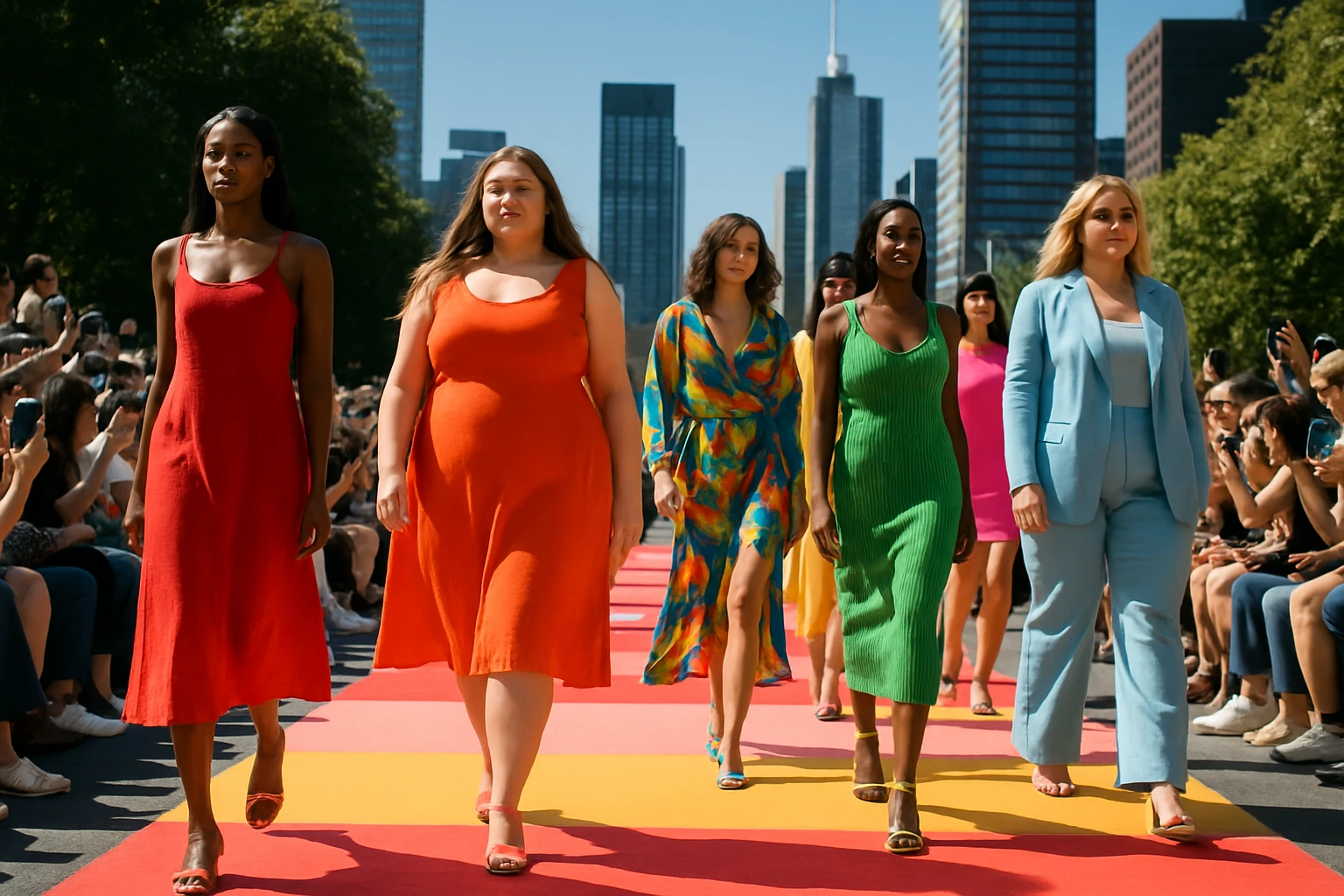
A colorful outdoor fashion show runway features diverse models showcasing a range of size-inclusive clothing under bright sunlight, with a lively audience capturing the moment on their phones against a backdrop of city skyscrapers.
Conclusion: Driving Lasting Change in Fashion
At the close of this article, it’s clear that embracing size inclusive clothing isn’t just an ethical imperative—it’s a strategic advantage. The market for plus-size apparel is growing at a rate three times faster than the overall clothing market, with U.S. plus-size revenue projected to reach over $35 billion by 2024 and continue expanding steadily through the decade bedbible.com. Simultaneously, consumer demand for better fit, broader representation, and consistent sizing continues to climb, especially among mid- and plus-size shoppers cottonworks.com.
Key Takeaways
-
Brands that commit to diversified sizing and inclusive marketing build stronger loyalty. Roughly two-thirds of consumers are more likely to purchase when they see a variety of body sizes represented vogue.com.
-
Inclusive offerings don’t just feel good—they make financial sense. Tanya Taylor’s plus-size collection drove a 12% wholesale revenue increase and now makes up 35% of her e‑commerce sales, despite comprising just 20% of inventory vogue.com.
-
Reducing plus-size visibility is a misstep: with over half of U.S. women wearing size 14 or above, sidelining these consumers risks alienating core buyers and missing out on significant growth emarketer.com.
Actionable Insights for Brands
-
Invest in inclusive design by involving fit specialists, engaging diverse models, and using consumer feedback to guide collections—ensure all body types are authentically represented.
-
Improve size consistency across product lines and platforms to reduce return rates and build trust—especially online, where size-related returns impact both satisfaction and profitability vogue.com.
-
Leverage inclusive marketing as a core differentiator, not a trend: spotlight real bodies, customer stories, and inclusive collections to form emotional connections.
Ultimately, forward-thinking fashion leaders must treat inclusive apparel as essential, not optional. This means shifting from token efforts to ingrained practices that reflect real-world bodies. The runway data reinforces this urgency: plus-size representation remains painfully low—often under 1%—across major fashion shows voguebusiness.com. Brands that shift hard toward inclusivity can define the future of fashion, not just follow it.
Take action now: audit your size offerings, refine fit consistency, elevate inclusive communications, and ensure that your brand welcomes and celebrates every body. The path toward inclusivity promises both impact and opportunity—don’t let it pass by unnoticed.



Leave a comment
This site is protected by hCaptcha and the hCaptcha Privacy Policy and Terms of Service apply.