
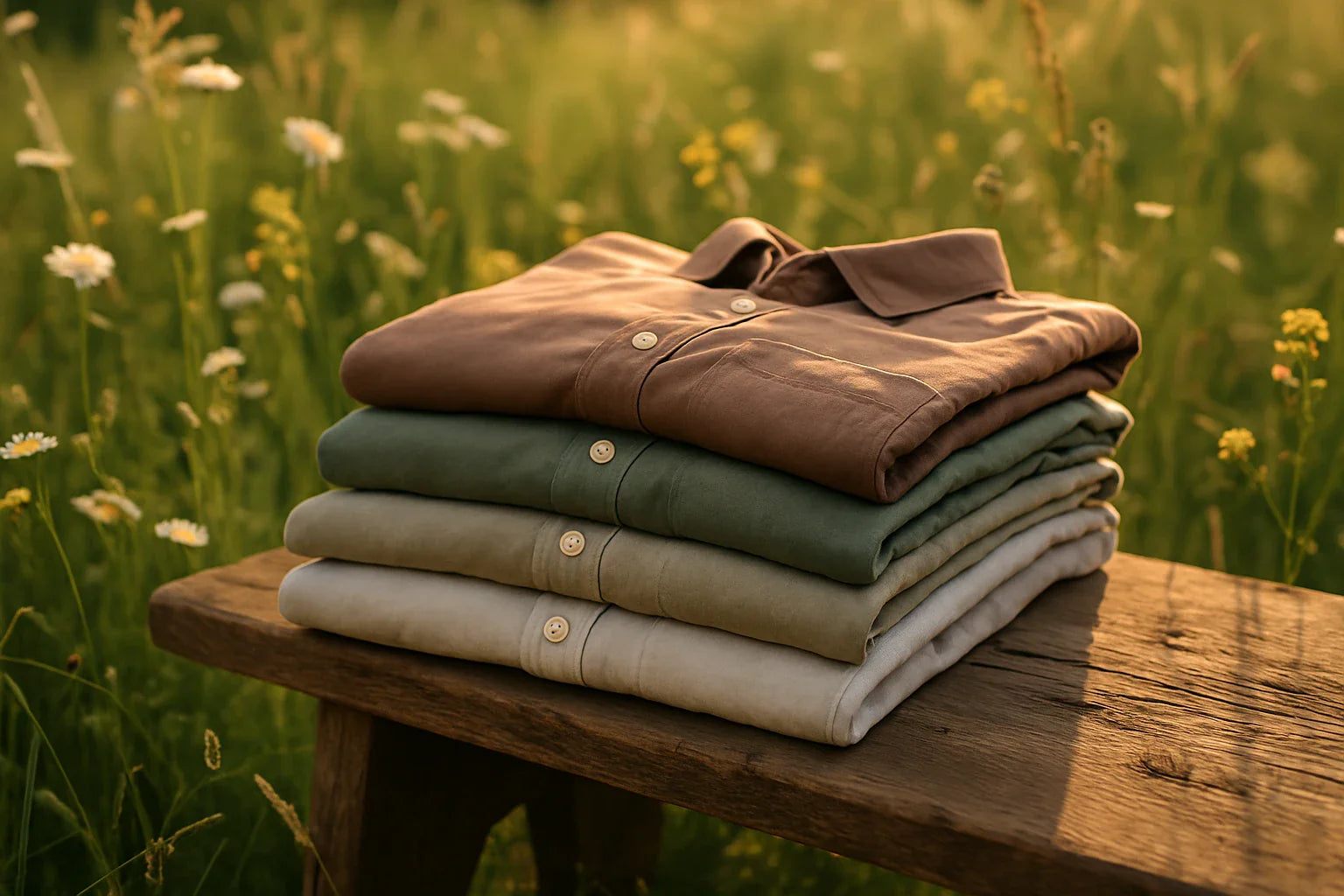
The Ultimate Guide to Soft Everyday Shirts: Comfort Meets Style
Introduction
Imagine slipping into a shirt that feels like a gentle caress against your skin—effortlessly comfortable, effortlessly chic. In today’s fast-paced world, people crave that level of comfort every day, making the subtle allure of soft everyday shirts more compelling than ever. The rise of remote work, casual office environments, and elevated loungewear trends have all contributed to a growing demand for garments that offer both ease and elegance without compromising quality. By blending tactile luxury with practical design, these shirts have become wardrobe staples worthy of attention.
At the heart of that sensation lies the fabric choice: natural fibers like organic cotton, bamboo viscose, and premium Pima cotton are especially celebrated for their forgiving softness and breathability. Organic cotton, valued for its gentle feel and eco-conscious production, pairs well with blends such as bamboo viscose to enhance moisture management and smooth drape—qualities many brands now prioritize to meet consumer expectations for both comfort and sustainability tasc Performance’s guide to soft fabrics. A deeper understanding of these materials helps producers craft shirts that feel luxurious right away and stay soft through countless wears and washes.
Adding nuance to this trend, textile research identifies three critical factors influencing wearer satisfaction: perceived quality, perceived value, and sensory comfort. In a study published in Scientific Reports, softness emerged as a key aspect of sensory comfort, repeatedly mentioned by consumers when evaluating garments, signaling its powerful role in influencing purchase and repurchase behaviors Scientific Reports, 2024. This underscores why soft everyday shirts that deliver softness without sacrificing durability or style continue to shape consumer loyalty.
Real-world applications of these insights abound. Brands offering ringspun cotton tees, enzyme-washed finishes, or innovative tri-blends are experiencing heightened demand, especially among shoppers who prioritize comfort and minimalist design. Wear testing, consumer feedback, and subtractive dyeing techniques further elevate both the tactile experience and visual appeal, making soft shirts versatile enough to work whether you're heading to a meeting via video call or enjoying a relaxed weekend outing.
In this comprehensive series, we’ll explore key elements from fabric science and design strategy to consumer psychology and care tips. You’ll learn how leading brands are achieving that elusive "feels-like-second-skin" effect, understand what drives consumers to favor certain blends, and discover actionable insights for marketers, designers, and wearers alike when choosing—or creating—the ideal soft everyday shirt.
The Science of Fabric Softness
Central to creating soft everyday shirts is understanding the science behind fabric softness. The tactile experience depends largely on the material composition and the finishing processes applied during manufacturing. Cotton remains a prime choice due to its natural softness, breathability, and durability. However, advancements in textile technology have introduced microfibers and bamboo-based fabrics as popular alternatives, enhancing the comfort and sustainability aspects of everyday wear.
Recent innovations in fabric blending have allowed for remarkable softness while maintaining durability. For instance, Rayon, derived from wood pulp, is often blended with cotton to create a luscious, smooth texture that many consumers equate with luxury. Furthermore, Lycra or Spandex is frequently incorporated to impart stretch and resilience, ensuring that shirts fit comfortably while retaining their shape throughout the day.
Comparative Analysis: Material Blends
Let's dive into a comparison of popular fabric blends used in soft everyday shirts. Each blend offers unique benefits that cater to different consumer needs, from comfort to performance capabilities.
| Fabric Blend | Softness Level | Durability | Breathability | Sustainability |
|---|---|---|---|---|
| 100% Cotton | High | Moderate | High | Moderate |
| Cotton-Polyester | Moderate | High | Moderate | Low |
| Cotton-Lycra | High | High | Moderate | Moderate |
| Bamboo-Cotton | Very High | High | Very High | High |
Innovative Techniques for Enhanced Softness
Beyond material selection, manufacturing techniques significantly impact the end softness of a shirt. Processes such as enzyme washing and silicon finishes are employed to break down rough fibers, resulting in a softer product. According to a study published by Springer, these techniques not only enhance softness but also improve the lustrous and wrinkle-free appearance of garments, making them desirable for everyday wear.
Incorporating sustainable practices is another growing trend. Using environmentally friendly dyes and finishes aligns with consumer demand for sustainability and ethical manufacturing, increasing the attractiveness of these shirts to eco-conscious buyers.
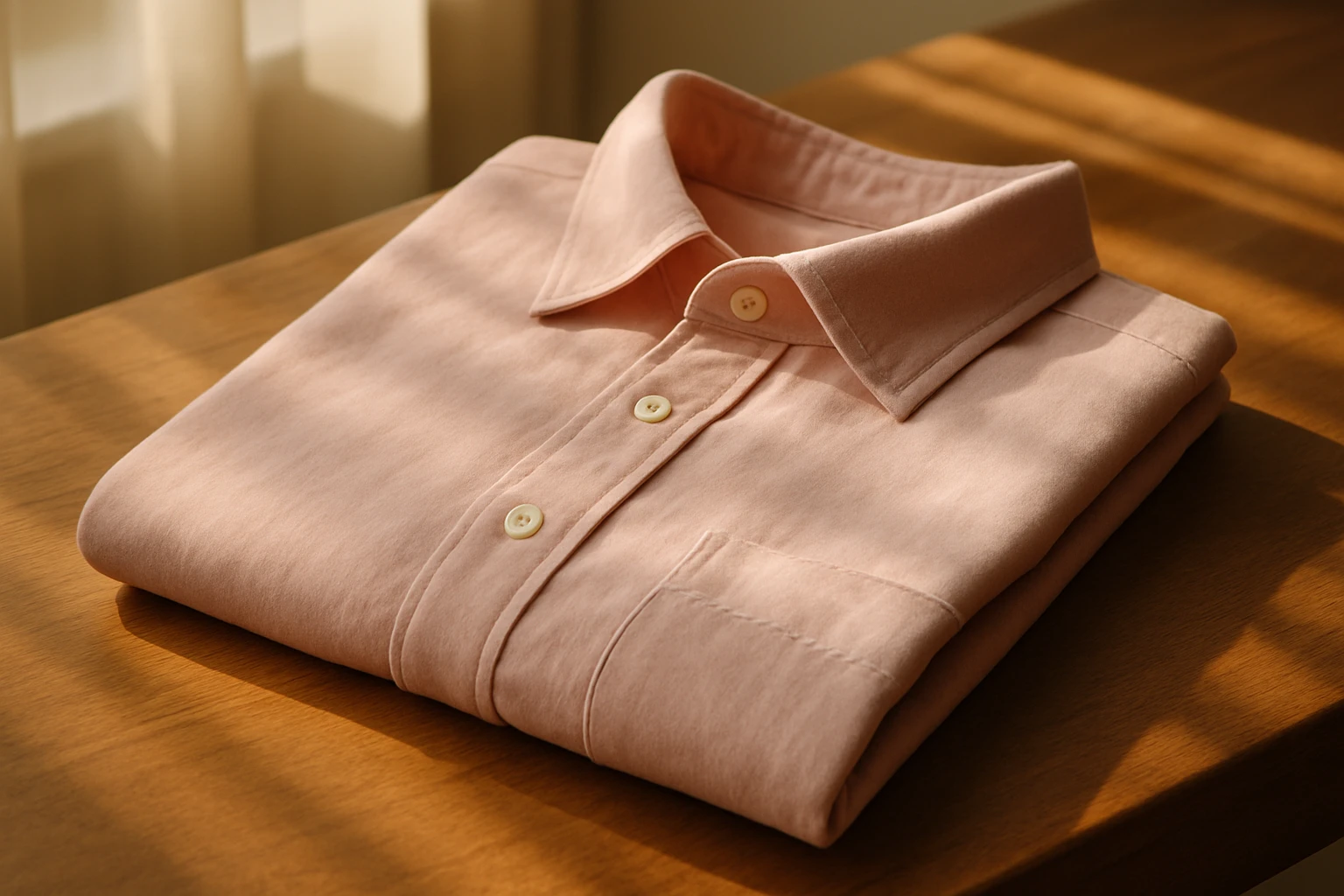
Fashion and Functionality: Choosing the Right Fabrics
When selecting soft everyday shirts, understanding the types of fabrics available and their benefits is crucial. Cotton is a popular choice due to its softness, breathability, and durability. It adapts well to different climates, making it an ideal fabric for year-round wear. According to Cotton Incorporated, cotton's natural fibers are gentle against the skin, reducing irritation for sensitive skin types.
Linen is another fabric worth considering, especially for warmer weather. Its moisture-wicking properties keep wearers cool and comfortable, while its textured finish adds a subtle yet sophisticated style to casual outfits. Although prone to wrinkles, lightweight linen blends can help mitigate this issue, offering a soft yet structured shirt suitable for various occasions.
For those looking to combine comfort with performance, technical fabrics like modal and bamboo blends offer excellent options. These fabrics are valued for their ultra-soft textures and eco-friendly production processes. Bamboo fibers, in particular, are known for their sustainability, as they require minimal water for growth and regenerate rapidly, aligning with environmentally conscious fashion trends.
Innovative Designs Catered to Modern Lifestyles
Modern shirt designs increasingly focus on versatility and adaptability, ensuring they cater to various lifestyle needs. Button-down shirts with wrinkle-resistant treatments allow professionals to transition smoothly from office meetings to social events without compromising on style. Companies offering smart, versatile solutions, such as Tenino Ventures, provide innovative approaches to clothing that resonate with today's dynamic demands.
Athleisure shirts made from moisture-wicking and quick-drying materials are perfect for individuals with active lifestyles. By incorporating spandex or elastane, these shirts offer freedom of movement while maintaining their shape. The blend of fashion and functionality defines a contemporary wardrobe staple, supporting both comfort and practicality.
Inclusion of diverse sizing and fits highlights another critical aspect of modern shirt design. With options ranging from slim to relaxed fits, brands ensure that soft everyday shirts accommodate different body types. Ensuring inclusivity and choice is a growing trend in the fashion industry, enabling a wider audience to enjoy the comfort and style of soft everyday wear.
The Impact of Sustainable Materials
The growing demand for soft everyday shirts is closely linked with a rise in sustainability consciousness. Brands are increasingly opting for eco-friendly materials, significantly impacting both fashion trends and environmental footprints. The introduction of organic cotton, bamboo fibers, and recycled polyester into shirt production exemplifies this shift towards sustainable practices.
One notable example is the use of organic cotton, which is cultivated without synthetic pesticides or fertilizers. A report by Textile Exchange highlights that organic cotton farming reduces water use by 91% compared to conventional methods, making it a more sustainable choice. This aligns with a broader movement across various industries towards minimizing environmental impact. For more on this, you can review Textile Exchange's latest findings.
Bamboo and Recycled Fibers
Bamboo is another material gaining traction for its soft texture and eco-friendly attributes. Not only is it fast-growing, but it also regenerates without needing to be replanted. This makes it an excellent choice for manufacturing soft everyday wear. Similarly, recycled polyester derived from plastic bottles is being used to create soft, durable fabrics. By repurposing existing materials, brands contribute to waste reduction and promote circular fashion economies.
Several companies have successfully integrated these materials into their offerings. Pact, for example, is a brand committed to using organic cotton and even provides their consumers the option to recycle old clothing through a unique take-back program. This not only supports sustainability but also encourages consumers to engage actively in reducing textile waste.
Consumer Preferences and Market Trends
Consumer preferences increasingly favor brands that endorse sustainable practices. According to a study by Nielsen, 73% of global consumers say they would definitely or probably change their consumption habits to reduce their environmental impact. This preference shift is pushing more companies towards adopting sustainable materials for soft everyday shirts. You can access the full study detailed by Nielsen.
As awareness grows, the trend towards sustainability not only benefits the environment but also adds value to brands by attracting environmentally-conscious consumers. This strategic approach not only differentiates them in a crowded market but also establishes trust and loyalty among their audience, ultimately fostering long-term success.
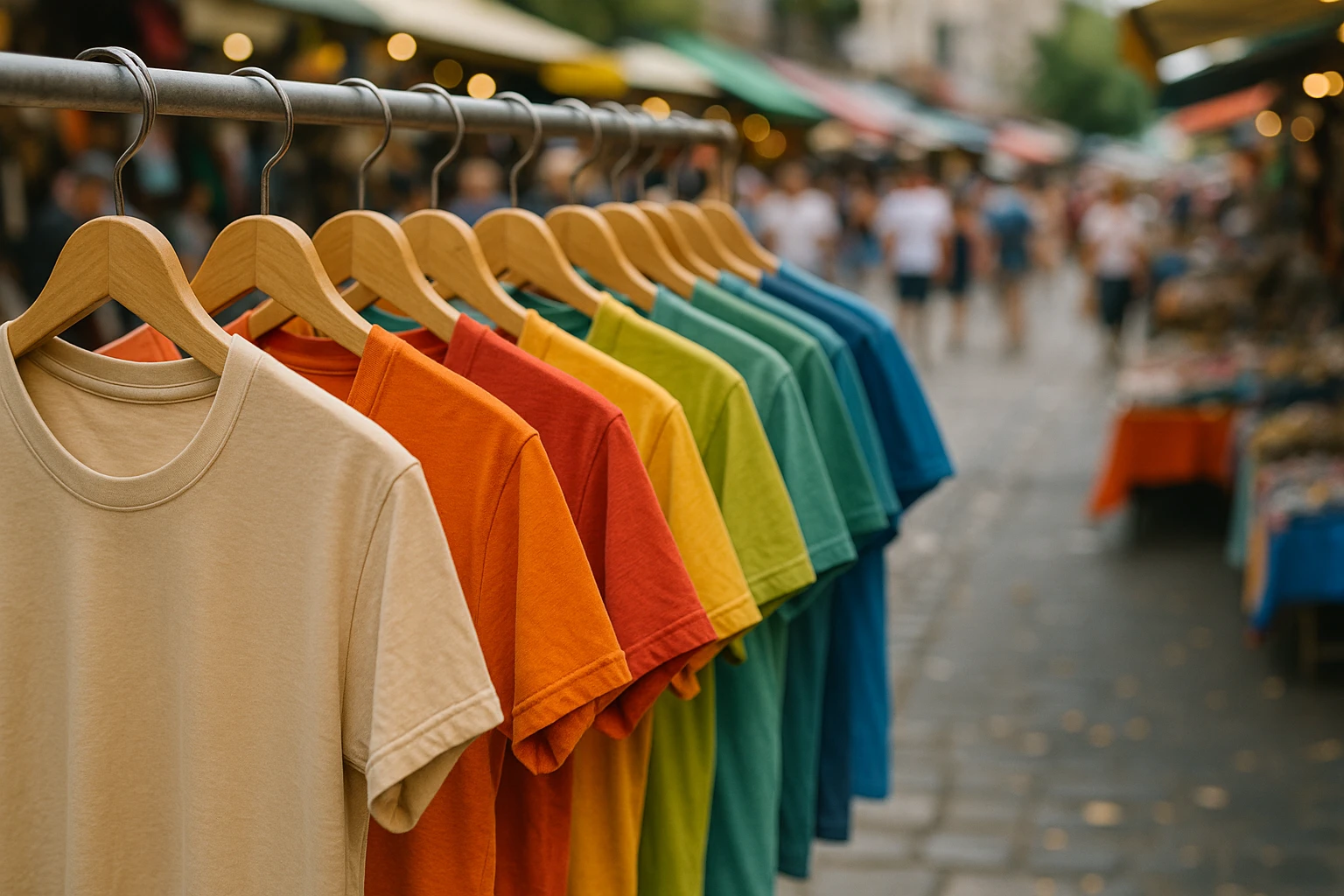
Conclusion: Embrace the Comfort of Soft Everyday Shirts
Incorporating soft everyday shirts into your wardrobe offers not only comfort but also versatility and style. These shirts are perfect for both formal and casual settings, providing a seamless transition from work to leisure. By prioritizing high-quality materials, you ensure long-lasting pieces that feel good against the skin. Whether you prefer classic white or vibrant hues, this wardrobe staple has something for everyone.
Actionable Insights for Selecting Your Perfect Shirt
When selecting soft everyday shirts, consider the fabric blend that works best for your lifestyle. A cotton and polyester blend often delivers durability, while 100% cotton offers exceptional softness and breathability. Pay attention to the fit—tailored cuts can enhance your silhouette, while looser designs provide a more relaxed feel. Delve into reviews and testimonials to assess quality and fit, ensuring you find shirts that meet your expectations.
Looking Ahead: Making the Most of Your Wardrobe
Creating a versatile wardrobe with these shirts involves thoughtful selection and purchasing strategies. Rotate between various styles and colors, maintaining a balance among your favorites. For the busy individual, investing in wrinkle-resistant options can save time on ironing and maintenance. Additionally, remember to care for your shirts appropriately by following wash instructions, preserving their softness and vibrant colors.
For further guidance and support in curating the ideal wardrobe filled with soft everyday shirts, consider utilizing expert resources. Tenino Ventures offers comprehensive advice and insights tailored to your needs. Their expertise can help you choose pieces that align with both your personal style and lifestyle demands.
Final Thoughts
As fashion continues to evolve, the demand for comfortable, high-quality clothing remains a constant. Soft everyday shirts represent a timeless choice that accommodates both fashion-forward individuals and those seeking simplicity. By integrating these shirts into your daily rotation, you embrace a blend of comfort, style, and practicality.
To maximize the benefits of these shirts, stay informed about trends and innovations in fabric technologies and styles. Explore new brands, fabrics, and patterns to keep your wardrobe fresh and exciting. Remember, the journey to finding the perfect shirt is as much about exploring new possibilities as it is about enjoying the comfort they bring.
Article Generated by Soogle


Leave a comment
This site is protected by hCaptcha and the hCaptcha Privacy Policy and Terms of Service apply.