
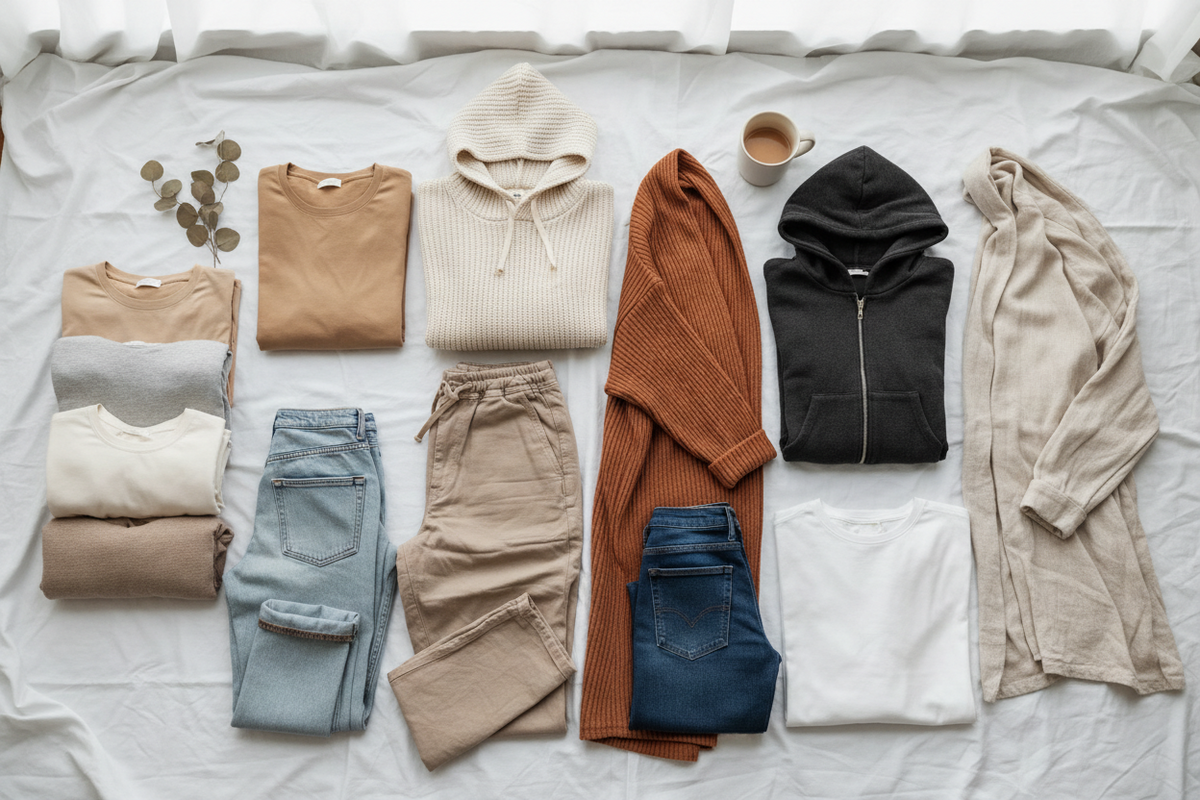
Comfortable Apparel Picks: Top 10 Must-Have Styles for Everyday Wear
Introduction
In a world that increasingly values well-being and versatility, the concept of comfort in clothing is no longer a luxury but an essential. Whether you're working from home, running errands, or winding down after a long day, what you wear plays a powerful role in how you feel and perform. Recent market research highlights that the demand for apparel offering both ease and functionality is accelerating—demand for garments that adapt to body temperature and provide breathable, flexible wear is shaping industry innovation (functional and loungewear markets are growing at double-digit rates) Market Research Future and GMI Insights.
Beyond industry trends, scientific studies reveal the real, measurable benefits of thoughtfully designed fabrics and fits. For instance, fabrics engineered for moisture-wicking and thermal regulation significantly enhance comfort and can support productivity and health. Moisture-wicking textiles draw sweat away from the skin to promote dryness and comfort during movement Wikipedia. By contrast, wearing restrictive or ill-fitting clothing can cause physical discomfort or even affect focus and mood, as demonstrated through research on enclothed cognition and ergonomic attire improving concentration and well-being TruWear.
Drawing from market data and practical insights, this article will guide you through key facets that define what makes apparel truly comfortable. Subsequent sections will explore fabric science, design considerations, performance wear innovations, adaptive and inclusive clothing, and smart strategies for consumers and brands. Throughout, we'll share concrete examples—from athletic wear brands incorporating cooling yarns to home loungewear lines leveraging soft, breathable materials—so you can make informed decisions whether buying, designing, or writing about these garments.
By the end of this deep dive, you'll understand how to identify, evaluate, and advocate for attire that supports both ease and purpose—elevating everyday experiences through smarter, more human-centered clothing choices.
Design Principles That Elevate Everyday Ease
Delving deeper into home loungewear and beyond, the importance of thoughtful design becomes clear when striving for garments that truly support everyday comfort. The emerging discipline of clothing physiology examines how textiles interact with both the body and environmental conditions—shedding light on how well-designed clothing enhances thermal regulation, moisture management, and tactile satisfaction for the wearerWikipedia: Clothing Physiology.
Drawing from cutting-edge research, wearable personal thermal management (PTM) technologies show how materials engineered for specific infrared transparency can profoundly influence comfort. For instance, fabrics that allow body heat to dissipate efficiently while remaining visually opaque help maintain ideal temperatures even in warm environments—a compelling example of innovation targeting wearer well-beingTong et al., Infrared-Transparent Fabrics.
It’s also crucial to recognize how clothing fit and fabric types impact both physical and emotional well-being. In a recent mixed-methods study, researchers discovered that physiological signals—like heart rate—correspond directly with subjective comfort, while emotional responses vary significantly depending on the garment’s fit and material. These insights provide tangible guidance for designing pieces that align with the wearer’s internal experiencea true hallmark of thoughtful, humanity-centered apparelHyo Jung Chang et al., 2024.
For brands and designers, actionable strategies emerge from these findings. Opting for thoughtfully blended fibers—such as modal with recycled polyester—can offer softness, quick-dry attributes, and durability, just as consumer preferences suggest. One survey reported that 78% of women in the U.S. and Europe prioritize comfort when choosing loungewear, with 61% investing in casual pieces over formalwear, and 44% reducing formal items in favor of more relaxed optionsFashionating World, 2022.
Moving forward, designers should center adaptable, body-aware textiles and human-centric silhouettes—those that follow natural movement and environmental adaptation—to embody the essence of comfortable apparel. Fatefully, real-world preferences reinforce how aligning technical design with emotional comfort supports garments that not only fit better—but feel inherently right.
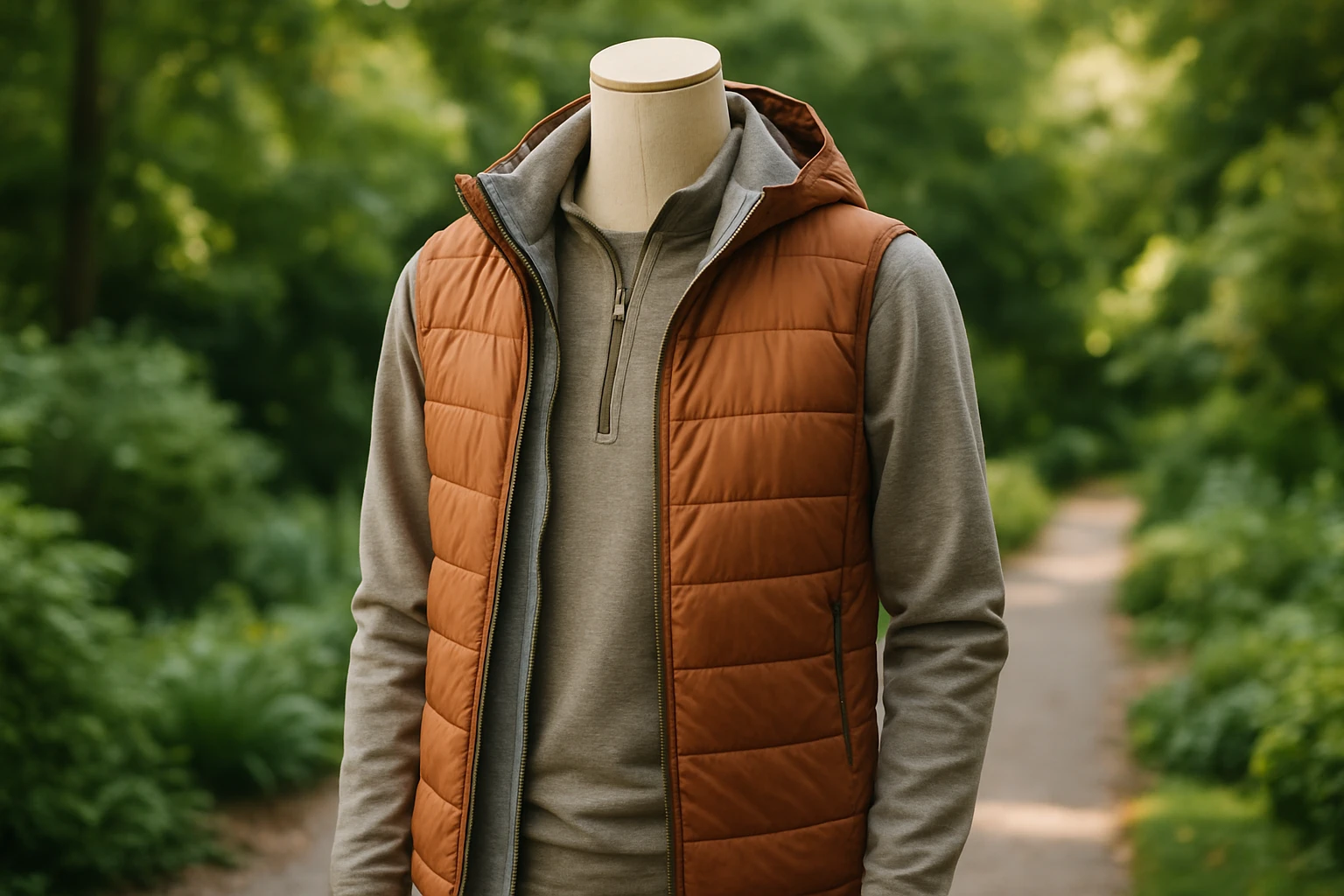
Innovations in Fabric Technology
The demand for comfortable apparel has driven remarkable advancements in fabric technology, making a substantial impact on how clothing is designed and worn. One notable innovation is the development of moisture-wicking fabrics. These materials are engineered to draw sweat away from the body, ensuring that the wearer remains dry and comfortable even during intense physical activities. A popular choice among athletes and outdoor enthusiasts, moisture-wicking fabrics are now commonly found in everyday activewear.
Temperature-regulating fabrics are another breakthrough, offering comfort across a range of climates. These innovative textiles are designed to respond dynamically to the body's temperature, providing warmth in cooler conditions while cooling as the surroundings heat up. According to a study by Technical Textiles, such fabrics incorporate phase-change materials that absorb, store, and release heat, making them ideal for versatile clothing options.
Beyond sports and outdoor gears, these technologies have found applications in corporate and casual sectors as well. Bamboo and organic cotton blends have gained popularity due to their natural softness, breathability, and sustainability. Not only are these fabrics gentle on the skin, but they also align with the growing consumer preference for eco-friendly materials. The environmental benefits and comfort offered by these fabrics have placed them at the forefront of the comfortable apparel movement.
Real-World Applications
Real-world applications of these fabric technologies can be observed in various industries. For instance, companies like Under Armour and Nike have harnessed moisture-wicking textiles extensively in their sports lines, catering to the needs of professional athletes. According to Nike's official website, their Dri-FIT technology utilizes a high-performance microfiber that supports athletes by ensuring dry and comfortable exercise sessions.
Moreover, the fashion industry has rapidly adopted temperature-regulating and sustainable fabrics. Brands like Patagonia are leading this change by integrating eco-friendly materials into their product lines, appealing to environmentally conscious consumers without sacrificing the comfort of wear. As people seek clothing that aligns with their values, the trend towards sustainable comfortable apparel shows no signs of slowing down.
The advancements in fabric technologies not only fulfill the practical demands of comfort but also address broader societal and environmental needs. This dual approach ensures that the field of comfortable apparel continues to grow and evolve, meeting the ever-changing preferences of today's consumer.
Integrating Comfort with Style: The Modern Consumer's Demand
In today's fashion landscape, consumers are no longer willing to sacrifice style for comfort. Instead, they demand apparel that seamlessly combines both. This shift has led to an increased focus on multi-functional clothing designs that cater to diverse needs, from working at home to weekend outings. Designers are responding by creating versatile pieces that not only feel good but look chic as well.
Blending Aesthetic Appeal with Practicality
High-end brands and emerging designers alike are recognizing the importance of aesthetic appeal in comfortable apparel. For instance, the rise of athleisure epitomizes this trend. Brands like Lululemon and Athleta have successfully merged the functionality of sportswear with the sleekness of urban fashion. According to a study by the NPD Group, the athleisure market has grown substantially, reaching significant sales figures in recent years (NPD Group).
Expanding Beyond Traditional Norms
Another critical development is the industry’s move towards body-positive and inclusive designs. Comfortable apparel is now being crafted with a keen awareness of diverse body types, ensuring a broader demographic can enjoy fashionable comfort. Brands such as Aerie and Savage X Fenty have garnered praise for their inclusive sizing and campaigns highlighting real bodies, challenging traditional norms and expectations in fashion.
Technological Innovations in Fabric Design
Technology continues to play a pivotal role in the evolution of comfortable apparel. Advances in fabric technology have enabled the production of materials that are not only soft and breathable but also environmentally sustainable. For example, Uniqlo’s AIRism collection uses innovative fabrics to offer comfort all year round, adjusting to body temperature and wicking away moisture effectively. According to research, these types of smart textiles are expected to drive future growth in the apparel market (Fortune Business Insights).
The quest to blend comfort with style is far from over, as more consumers seek apparel that reflects their values and complements their lifestyle. As the industry continues to innovate, the potential for producing clothing that is both comfortable and fashionable promises continued expansion and diversification. This harmonious integration of comfort with style not only satisfies personal preferences but also signifies an enduring trend in modern apparel.
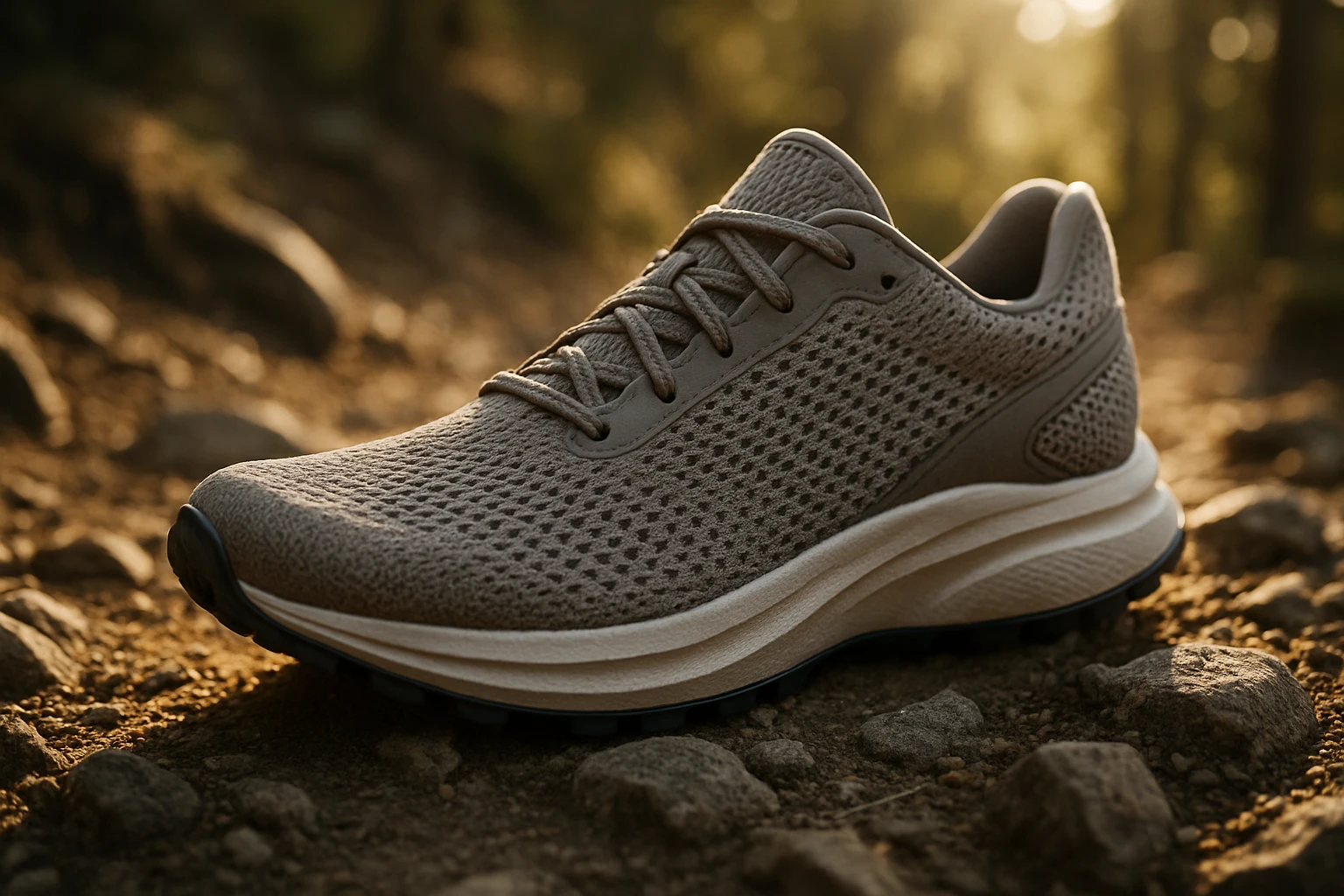
Conclusion: Taking the Step Towards Comfort
The journey of discovering and investing in comfortable apparel is not just about replacing wardrobe staples; it's a step towards enhancing quality of life. From breathable materials to adaptive designs, comfortable apparel caters to diverse needs and settings, offering a flexible range of choices that prioritize well-being without sacrificing style.
Key Takeaways
By integrating comfort into your everyday attire, you embrace the benefits of both functionality and fashion. For instance, choosing clothing made from innovative fabrics such as moisture-wicking or temperature-regulating materials ensures you stay comfortable in varying conditions. These innovations, supported by research, have shown to positively impact productivity and mood. As reported in a study by ResearchGate, thermal comfort significantly affects workplace efficiency and personal comfort levels. This insight emphasizes that the garments we choose have more importance than just aesthetics.
Actionable Insights
When considering your next purchase, prioritize functions that cater to your lifestyle. Here's a practical approach to choosing the right comfortable apparel:
- Identify your needs: Are you seeking apparel for work, exercise, or leisure?
- Research material benefits: Understand the properties of different fabrics to ensure they meet your requirements.
- Try before you buy: Physical comfort is subjective; ensure the garment feels right before committing.
For example, those with active lifestyles will benefit from gear that offers flexibility and breathability. According to a report published by Statista, the U.S. activewear market is projected to grow significantly, reflecting the increasing consumer preference for functional and stylish fitness apparel.
Encouragement to Explore
It's time to reassess your wardrobe choices and embrace the multitude of benefits that comfortable apparel offers. Prioritize garments that enhance your day-to-day experiences, whether through improved performance, confidence, or simply by adding a touch of luxury to your daily routine.
As you set out on this journey, remember that comfort is not just a trend; it's an integral aspect of a healthy lifestyle. Start exploring the potential that comfortable apparel holds, and transform your wardrobe into a source of confidence and joy. Make informed decisions that resonate with your personal style and live life seamlessly, comfortably, and in style.


Leave a comment
This site is protected by hCaptcha and the hCaptcha Privacy Policy and Terms of Service apply.