
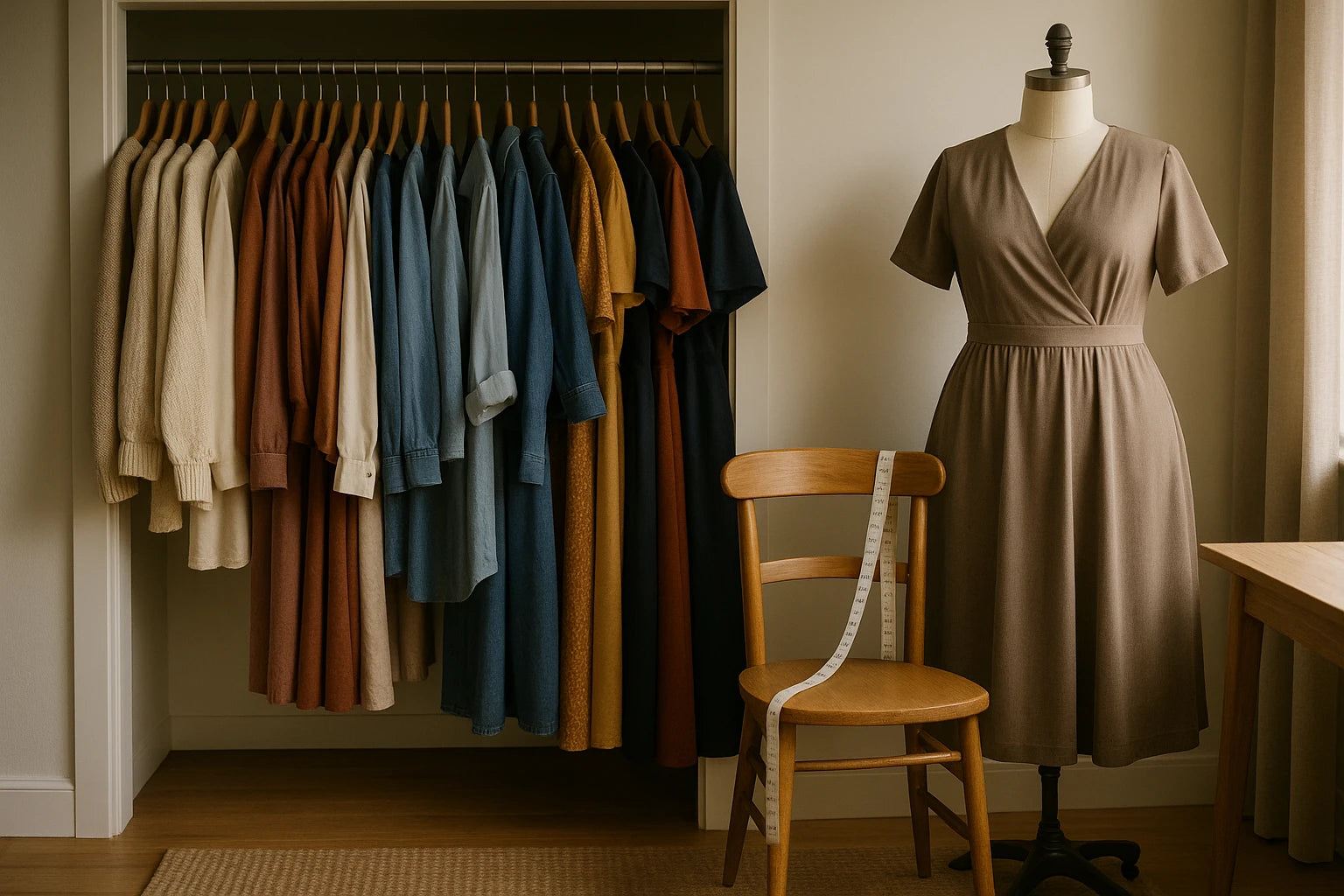
Top 10 Size Inclusive Clothing Brands Revolutionizing Fashion
Understanding Size Inclusive Clothing
In today’s diverse fashion landscape, the demand for size inclusive clothing is more significant than ever. The fashion industry, traditionally focused on a limited range of sizes, has been gradually shifting towards embracing a broader spectrum of body types. This change is not just a trend but a necessary evolution towards inclusivity and accessibility. Size inclusive clothing ensures that everyone, regardless of their body size, has the opportunity to express their personal style. This shift is being driven by consumer demand and a growing recognition of the need for equality in fashion.
The concept of size inclusivity in fashion is gaining traction, driven by a cultural shift towards body positivity and self-acceptance. Many brands understand that modern consumers are no longer satisfied with conventional sizing and are actively pursuing options that cater to diverse body shapes. According to Forbes, brands like Universal Standard and Savage X Fenty are leading this movement by offering a broader range of sizes, proving that inclusivity can be both profitable and empowering for customers.
However, embracing size inclusivity involves more than simply expanding size ranges. It requires thoughtful design processes that consider fit and comfort across different body types. This is where some companies excel by using a variety of models for testing garments, ensuring that the clothing fits well on every body. For instance, Business of Fashion highlights the success of brands that engage directly with their customers to gather feedback, allowing them to create more adaptable and comfortable clothing lines.
Despite the advancements, there remains room for growth. Some companies still struggle to find the balance between style and inclusivity, focusing exclusively on larger sizes instead of a comprehensive range. To truly innovate, brands must incorporate feedback loops and continuous dialogue with consumers, recognizing that size inclusivity should be a foundational aspect of their ethos, not just an afterthought. This comprehensive approach not only caters to a wider audience but also strengthens brand loyalty and authenticity in an ever-competitive market.
Building Consumer Trust Through Inclusive Practices
While the previous discussion emphasized how brands must weave size inclusivity into their core DNA, it’s essential to recognize the concrete business and social benefits that arise from these inclusive practices. Recent research underscores that expanding size offerings not only reflects fairness but also boosts brand credibility and purchase intent. A study from the University of Nevada, Reno and Washington State University revealed that retailers offering sizes up to 4XL enhance perceptions of *trustworthiness* and *inclusivity*. This sentiment extends even to consumers outside of extended sizing categories—resulting in stronger willingness to pay and higher purchase intentions across the board (Nevada Today).
In the broader marketplace, reports indicate a significant growth trajectory in the plus-size apparel segment—a prime example of strategic opportunity. The global plus-size market was valued at approximately $288 billion in 2023, and projections suggest it could surpass $415 billion by 2030 (AndCircus Industry News; see also Statista data summarizing similar growth patterns).
Real-World Examples That Illustrate Strategic Gains
- 11 Honoré redefined bridal and luxury wear by showcasing size diversity on stage at New York Fashion Week, casting iconic plus-size models such as Candice Huffine and Precious Lee. The brand successfully transitioned from niche to mainstream by debuting its own line and gaining distribution through Nordstrom (Wikipedia – 11 Honoré).
- Katie Sturino’s collaboration with Kitty and Vibe launched a size-inclusive swimwear line spanning from XS to 6X, with multiple bottom size options to cater to diverse physiques. This real-world approach reinforces that inclusion resonates with consumers and thrives—even when broader industry trends are flashing warning signs (People.com).
Both examples highlight a powerful insight: inclusivity isn’t just a moral imperative—it’s a differentiator. By aligning product offerings with the lived experiences of a broad spectrum of customers, brands can forge deeper emotional connections and reinforce long-term loyalty.
In the next section, we’ll explore how optimizing digital strategies—from accurate sizing tools to inclusive imagery—can extend this trust to the online shopping experience, creating a seamless journey that reflects consumer diversity at every touchpoint.
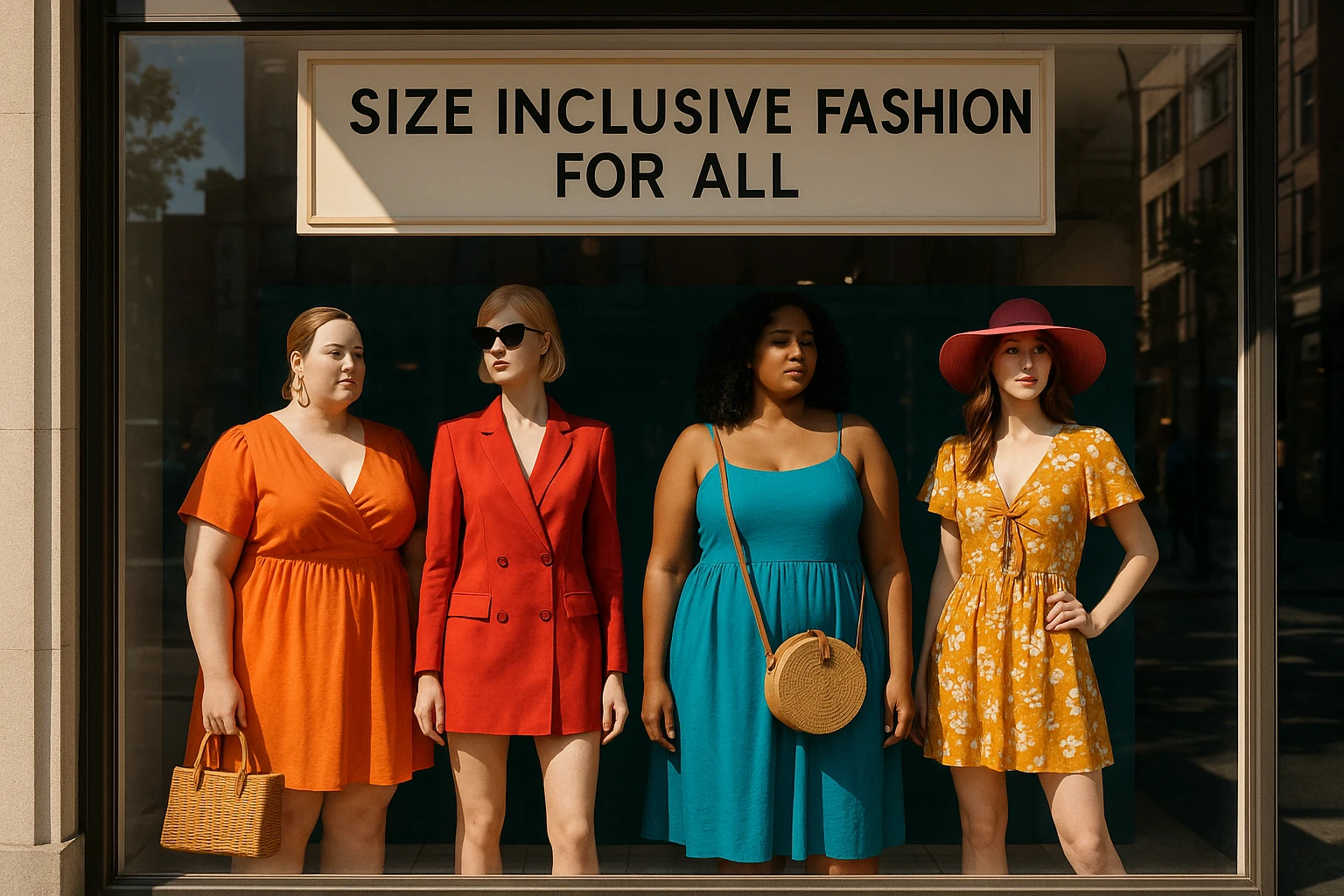
The Business Impact of Size Inclusive Clothing
As the fashion industry evolves, the business case for size inclusive clothing becomes increasingly compelling. Brands that embrace this trend not only drive social change but also tap into a burgeoning market. According to a report by the Fashion Institute of Technology, the plus-size market is valued at over $21 billion in the US alone, illustrating significant financial incentives for companies to expand their size offerings. [Source]
A practical example is the successful pivot of Universal Standard, which has become a trailblazer in this space. By offering a size range from 00 to 40, the brand has attracted a diverse customer base, showcasing the potential for growth when inclusivity is prioritized. This approach not only meets the demands of underserved consumers but also fosters brand loyalty. Customers often express their appreciation through higher repeat purchase rates and positive word-of-mouth marketing, which are invaluable for long-term success.
Enhancing Brand Reputation and Consumer Trust
Implementing size inclusive clothing lines can significantly enhance a brand's reputation. Consumers are increasingly conscious of where they spend their money, often favoring companies that reflect their values. Size inclusivity signals a brand's commitment to diversity and representation, inviting a broader audience. According to a survey by Deloitte, 83% of consumers prefer to purchase from brands that align with their personal values. [Source]
Brands like Aerie have successfully tapped into this trend by championing body positivity and inclusivity through their campaigns. By eschewing retouched images and promoting a wide range of sizes, Aerie has increased consumer trust, with a notable boost in sales. This case study underscores the power of authenticity and how size inclusive clothing can align with larger branding strategies.
For emerging designers and established brands alike, resources like Tenino Ventures offer strategic insights and tools for integrating size inclusivity into business models. By leveraging such platforms, businesses can seamlessly implement inclusive practices, ensuring they meet modern consumer expectations while remaining competitive in the market.
Ultimately, the shift towards size inclusive clothing is more than a trend; it's a strategic move that offers significant economic and reputational benefits. By focusing on inclusivity, brands can meet the demands of a diverse consumer base, foster loyalty, and enhance their market position.
Building Trust and Driving Sales Through Inclusive Practices
Brands that genuinely embrace inclusivity often reap far-reaching rewards beyond just goodwill. A recent study from the University of Nevada, Reno demonstrates that retailers offering an extensive size range—from XS to 4XL or sizes 00 to 32—are perceived as more inclusive and trustworthy, even by consumers who don’t necessarily wear extended sizes. This perception translates into higher willingness to pay and increased purchase intent, emphasizing that inclusive approaches are both equitable and economically smart University of Nevada, Reno study.
Alongside academic insights, market trends underscore the economic potential of embracing diversity. In 2023, the global plus-size clothing market was valued around $288 billion and is projected to exceed $500 billion over the next decade. Within the U.S., plus-size apparel alone was estimated at $12.7 billion, supported by over 12,000 stores dedicated to serving beyond-standard sizes Statista. These figures highlight a massive, underserved consumer base.
Real-World Impact: Brands Leading the Way
- 11 Honoré transformed the NYFW scene by featuring inclusive castings led by Laverne Cox and renowned plus-size models like Candice Huffine and Precious Lee. The brand later expanded into Nordstrom, affirming the commercial viability of inclusive initiatives 11 Honoré.
- Rue107, founded by Marie Jean‑Baptiste, has offered sizes 2 to 24 since 2011. The brand has gained traction not only for its design ethos but also for celebrity endorsements and commendations within independent plus-size fashion circles Rue107.
Integrating size diversity into collections also opens the door to enhanced customer loyalty. When consumers see themselves reflected in brand offerings—whether through fashion shows, campaigns, or sizing—trust grows. This emotional connection often leads to long-term engagement.
Incorporating a size inclusive clothing strategy involves thoughtful planning: investing in broader size grading, leveraging inclusive marketing, and revisiting casting processes. While initial costs may rise, the long-term return through brand equity, repeat business, and expanded market reach often outweighs expenditures.
By weaving inclusivity into their operational, creative, and strategic fabric, brands not only meet consumer expectations but also unlock new growth avenues. The evidence is clear: inclusive sizing is not merely a moral imperative—it’s good business.
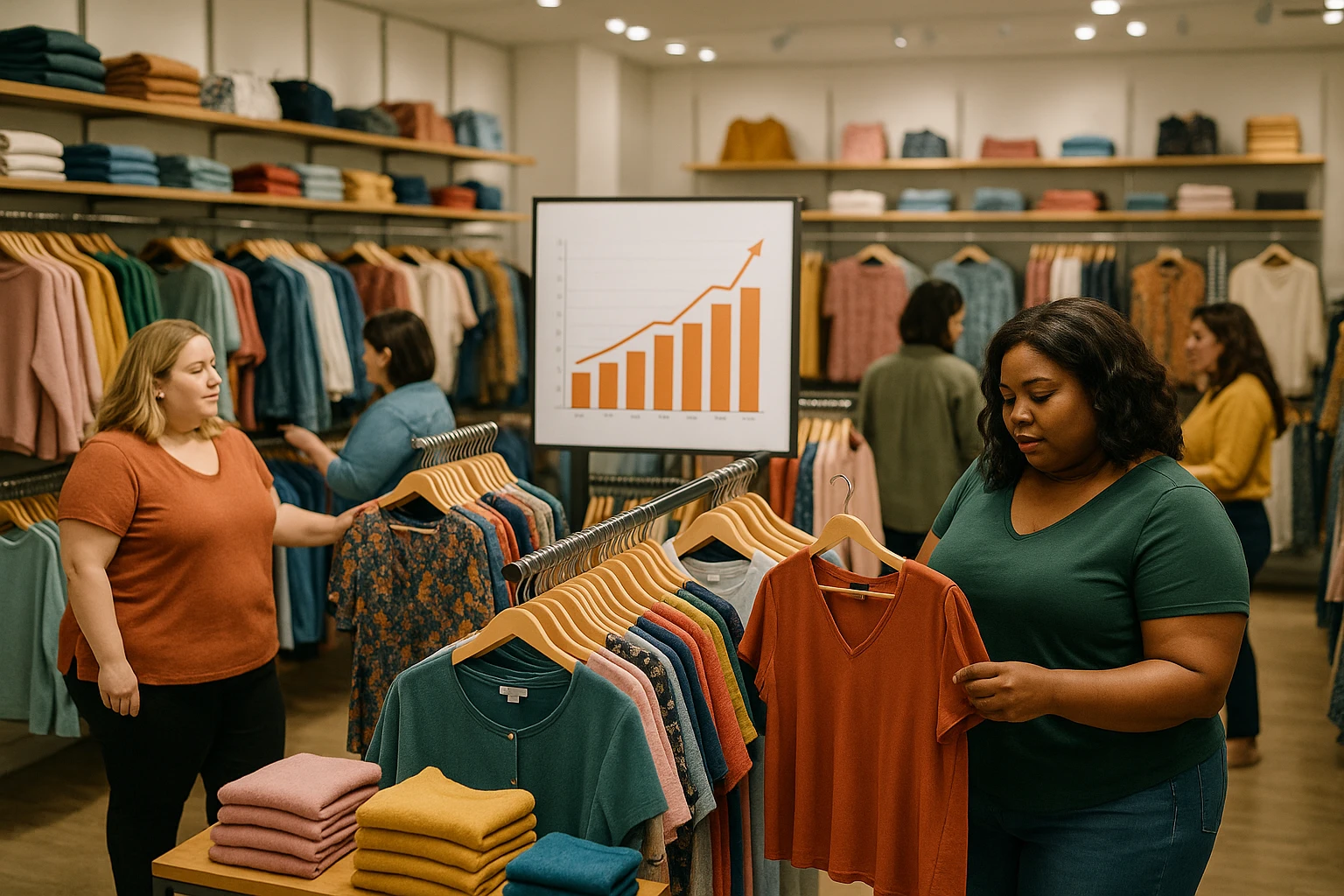
Conclusion: Embracing the Future of Fashion
As the fashion industry evolves, the importance of size inclusive clothing cannot be overstated. This shift not only reflects a demand for diversity in apparel but also signals a cultural transformation that celebrates all body types. Brands embracing this change are not just expanding their market reach; they are fostering a more inclusive, welcoming environment for their customers.
Empowering Customers and Brands Alike
Size inclusive clothing empowers consumers by offering choices that fit a diverse range of body types, leading to a more satisfying shopping experience. For brands, this means building stronger relationships with a broader customer base. For example, a 2021 study by McKinsey & Company highlighted businesses that expanded their size offerings experienced a significant rise in customer loyalty and engagement. Incorporating these insights allows brands to tap into a growing market while demonstrating commitment to social responsibility.
Actionable Insights for Retailers
Retailers looking to capitalize on this trend should consider expanding their size ranges and ensuring all marketing efforts reflect inclusivity. This includes featuring diverse models in advertising campaigns and gathering feedback directly from customers to continuously refine offerings. Investing in data analytics can also help tailor product lines to better meet consumer preferences, increasing overall sales and customer satisfaction.
The Role of Technology and Innovation
Incorporating technology, such as virtual fitting rooms or AI-driven personalization, can enhance the shopping experience for consumers of all sizes. By leveraging these tools, retailers can provide personalized recommendations, reduce returns, and operationalize inclusivity efficiently. Case in point, ASOS and H&M have begun utilizing these technologies to improve their customer experience, leading to positive feedback and increased sales.
Taking the Next Steps with Tenino Ventures
For businesses ready to delve deeper into size inclusivity, partnering with experts can be a game changer. Companies like Tenino Ventures offer comprehensive support in navigating this complex landscape, providing strategic advice, and innovative solutions tailored to industry needs. By integrating these insights, businesses can not only capture new market segments but also play a pivotal role in shaping the future of fashion.
As we move forward, the demand for size inclusive clothing will continue to grow. Brands that proactively embrace this trend are likely to see long-term benefits, both socially and economically. In this transformative era, the opportunity for growth and innovation is immense, paving the way for a more inclusive, diverse, and thriving fashion landscape.
Article Generated by Soogle


Leave a comment
This site is protected by hCaptcha and the hCaptcha Privacy Policy and Terms of Service apply.