
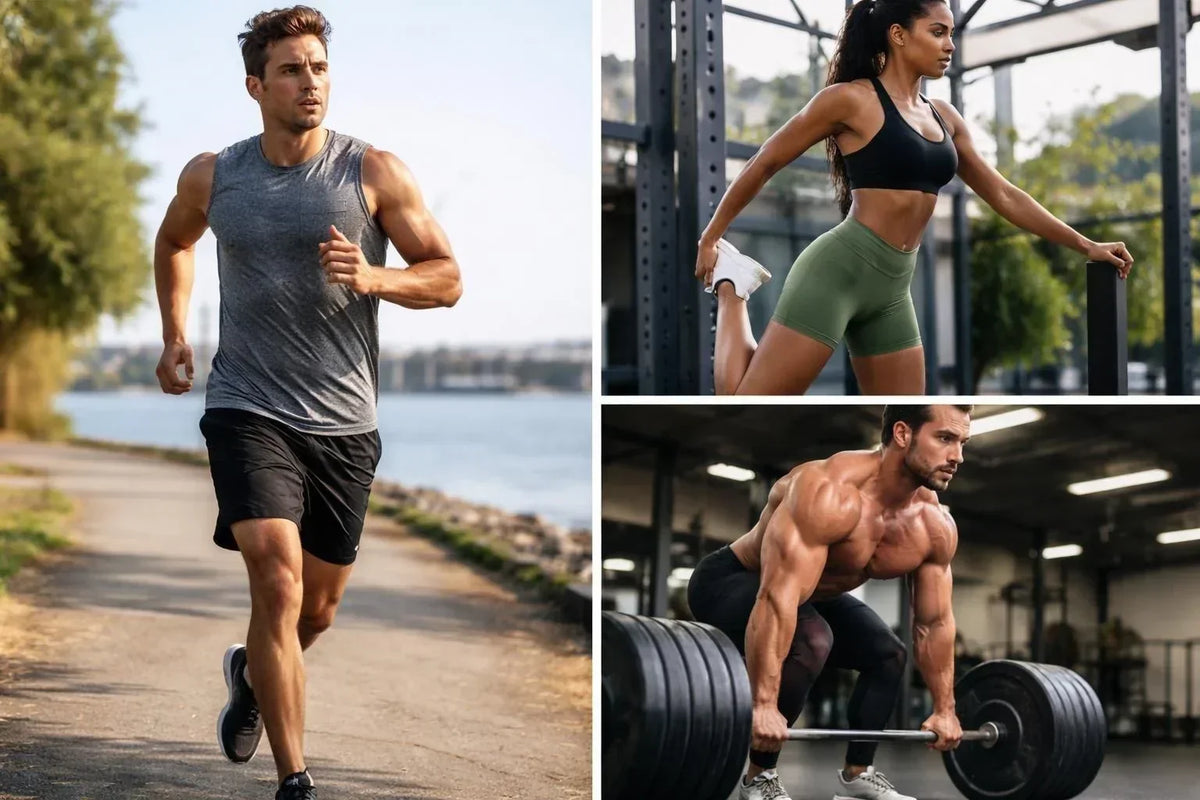
Workout Shorts Performance: Essential Features for Every Activity
Selecting the right workout shorts can transform your exercise experience from uncomfortable and restrictive to confident and powerful. Whether you're hitting the gym, pounding the pavement, or flowing through yoga poses, your athletic wear plays a crucial role in performance, comfort, and motivation. In 2026, the market offers an overwhelming array of options with varying fabrics, cuts, and technologies designed for specific activities. Understanding what separates exceptional workout shorts from mediocre ones empowers you to make informed decisions that align with your fitness goals and personal preferences.
Essential Fabric Technologies for Peak Performance
The foundation of quality workout shorts lies in the materials used during construction. Modern athletic fabrics have evolved far beyond basic cotton, incorporating advanced technologies that address moisture management, temperature regulation, and durability.
Moisture-Wicking Properties
Moisture-wicking fabrics represent one of the most important advancements in athletic apparel. These materials actively pull sweat away from your skin and transport it to the outer surface where it can evaporate quickly. This process keeps you dry during intense workouts and prevents the uncomfortable sensation of fabric clinging to your body.
The science behind moisture-wicking involves:
- Hydrophobic fibers that repel water at the molecular level
- Capillary action that moves moisture through the fabric structure
- Quick-dry properties that accelerate evaporation rates
- Anti-bacterial treatments that reduce odor-causing bacteria
According to research on high-performance gym shorts features, fabrics like polyester, nylon, and specialized blends outperform natural fibers in moisture management.
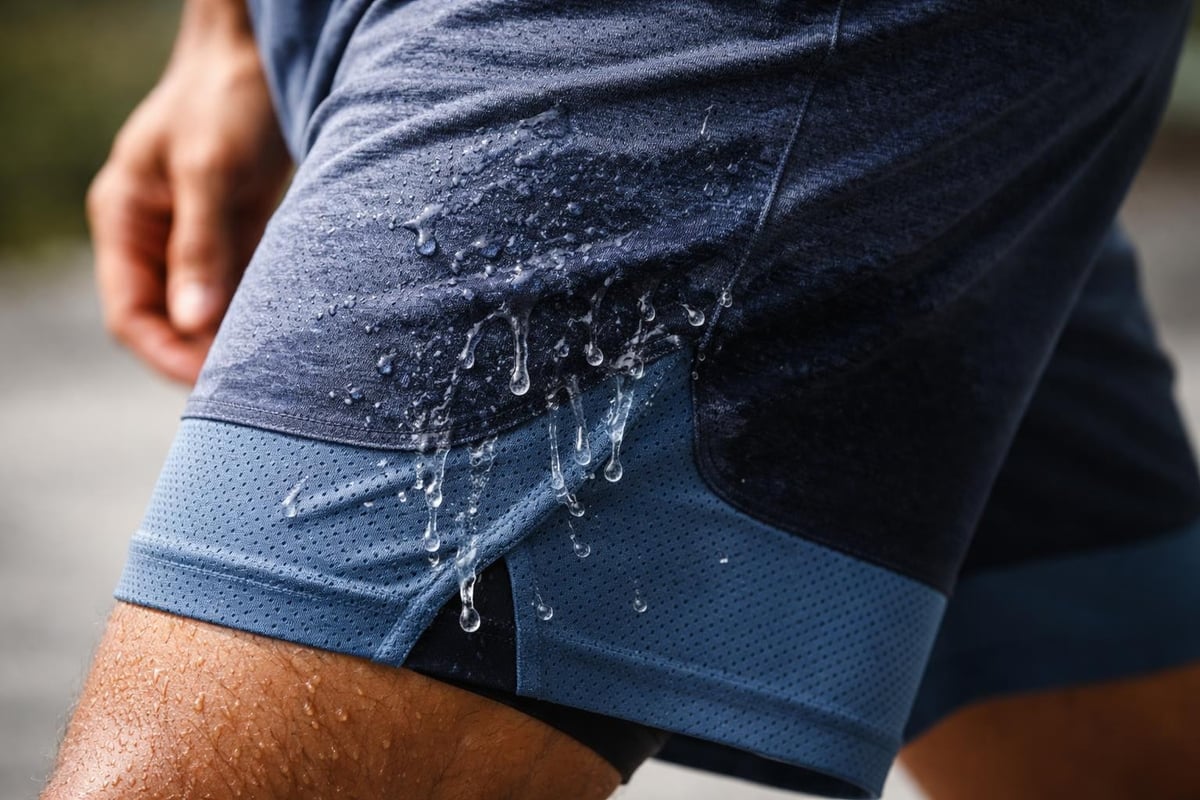
Material Options for Different Workouts
Different exercise types demand specific fabric characteristics. Understanding gym shorts materials for specific workouts helps match your shorts to your activity.
| Material | Best For | Key Benefits | Considerations |
|---|---|---|---|
| Polyester | Running, HIIT | Excellent moisture-wicking, durable | May retain odors over time |
| Nylon | Weightlifting, CrossFit | Stretchy, abrasion-resistant | Less breathable than polyester |
| Spandex Blends | Yoga, cycling | Maximum flexibility, compression | Shows sweat more visibly |
| Bamboo | Low-impact, casual | Eco-friendly, soft, naturally antimicrobial | Less durable for intense activities |
The proportion of synthetic fibers in blends determines performance characteristics. Most premium workout shorts contain 85-95% polyester or nylon with 5-15% spandex or elastane for stretch and recovery.
Fit Styles and Length Considerations
Beyond fabric, the cut and fit of workout shorts significantly impact functionality and comfort during different movements. The wrong inseam length or fit style can restrict your range of motion or cause distracting adjustments mid-workout.
Inseam Length Options
Workout shorts typically come in four standard inseam lengths, each serving distinct purposes:
5-inch inseam provides maximum freedom of movement and is ideal for running, sprinting, and activities requiring extensive leg mobility. However, some individuals find this length too short for certain exercises or personal comfort preferences.
7-inch inseam represents the most versatile option, balancing coverage with mobility. This length works well for general gym training, recreational running, and multi-sport activities.
9-inch inseam offers more coverage while maintaining athletic functionality. Many prefer this length for weightlifting, basketball, and activities involving bending or squatting movements.
11-inch inseam approaches shorts-style coverage and appeals to those seeking maximum modesty or protection from equipment friction during cycling or rowing.
Compression Versus Loose Fit
The debate between compression and loose-fit workout shorts centers on personal preference and specific activity requirements. Compression shorts provide muscle support, reduce vibration during high-impact movements, and offer a streamlined silhouette that eliminates fabric bunching.
Loose-fit styles prioritize airflow and ventilation, creating space between fabric and skin that promotes cooling. Many athletes appreciate the traditional athletic aesthetic and unrestricted feeling of relaxed fits.
A growing trend involves wearing compression shorts as a base layer with loose-fit shorts over them, combining the benefits of both approaches. This layering strategy is particularly popular in workout clothes collections.
Performance Features That Matter
Beyond basic construction, specific design elements separate superior workout shorts from standard options. These features address common pain points athletes experience during training sessions.
Built-In Support Systems
Many modern workout shorts incorporate built-in liners that eliminate the need for separate undergarments. These integrated support systems vary in construction:
- Mesh liners provide lightweight breathability
- Compression liners offer muscle support and reduce chafing
- Moisture-wicking liners manage sweat in sensitive areas
- Brief-style liners provide traditional support structures
The choice between lined and unlined workout shorts depends on personal comfort preferences and whether you prefer wearing compression layers underneath.
Strategic Pocket Placement
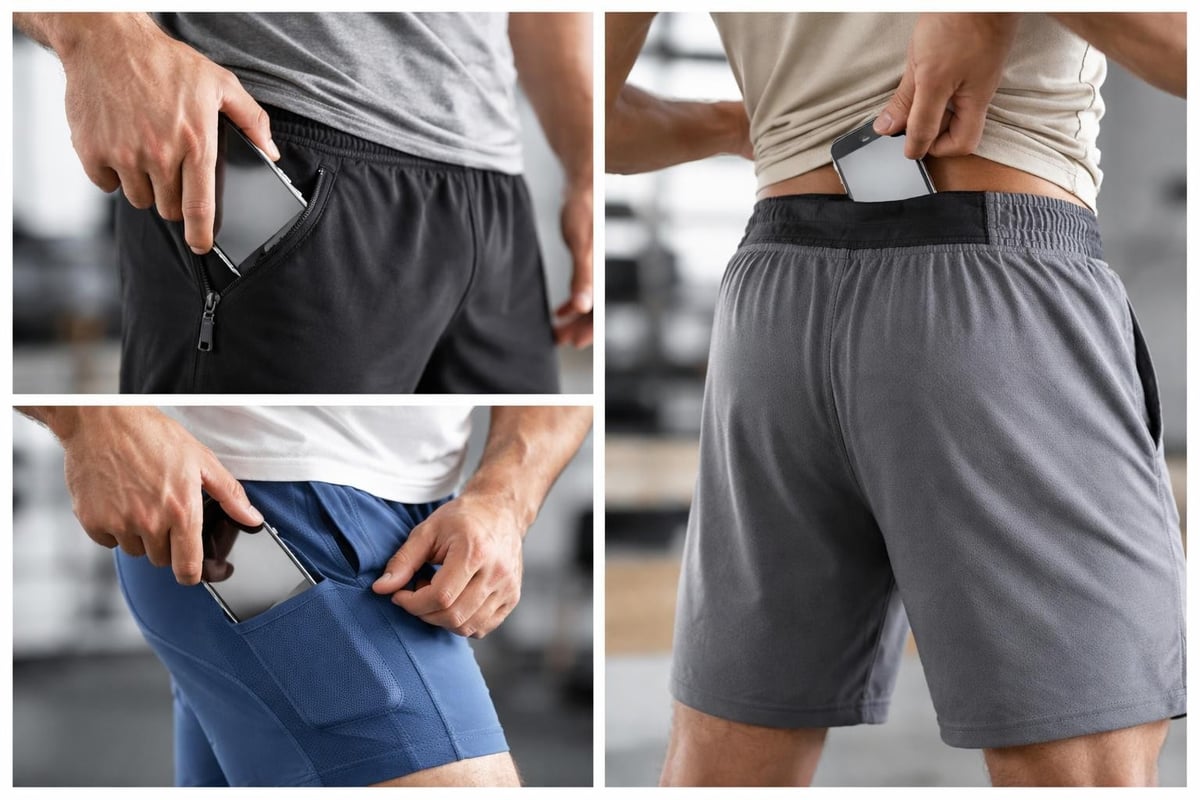
Functional pocket design has become increasingly important as smartphones and other devices accompany most workout sessions. Quality workout shorts feature pockets that secure items without interfering with movement.
Effective pocket configurations include:
- Zippered side pockets that prevent items from falling out during inverted movements
- Back zippered pockets positioned to avoid contact with equipment
- Internal waistband pockets sized specifically for keys and cards
- Phone pockets with moisture-resistant linings to protect electronics
Studies examining what attracts athletes to workout shorts consistently highlight secure storage as a top priority in purchase decisions.
Choosing Shorts for Specific Activities
Different sports and exercise modalities place unique demands on athletic apparel. Selecting workout shorts optimized for your primary activities enhances both performance and longevity of your investment.
Running and Cardio Activities
Running shorts prioritize lightweight construction and minimal fabric to reduce weight and prevent overheating. Key features for runners include:
- Split hems or strategic cuts that allow full leg extension
- Reflective elements for visibility during early morning or evening runs
- Lightweight liners that prevent chafing over long distances
- Minimal seams positioned away from high-friction zones
Research on how the right shorts boost athletic performance demonstrates measurable improvements in endurance when athletes wear properly designed running shorts.
The importance of lightweight gym shorts in summer workouts cannot be overstated, particularly for outdoor cardio sessions.
Strength Training and Weightlifting
Weightlifting demands durability and flexibility rather than minimal weight. Shorts designed for strength training feature:
- Reinforced stitching at stress points
- Four-way stretch fabrics that accommodate deep squats and lunges
- Longer inseams that prevent riding up during leg exercises
- Abrasion-resistant materials that withstand contact with benches and equipment
Yoga and Flexibility Training
Yoga practitioners benefit from workout shorts that move seamlessly with the body through complex positions. Compression-style shorts or longer athletic shorts with high spandex content work well for yoga because they maintain position during inversions and prevent exposure during wide-stance poses.
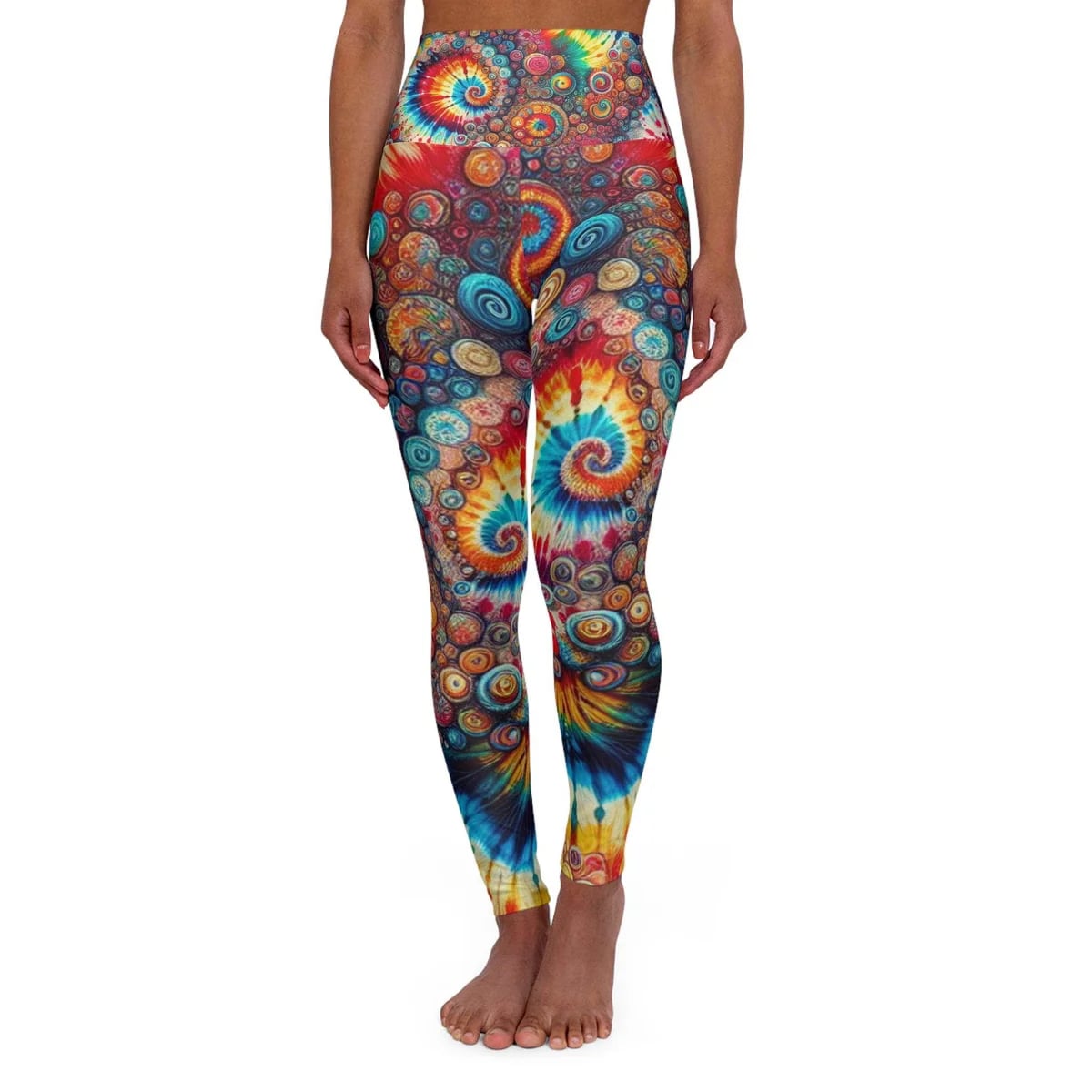
For those who prefer matching sets, pairing quality workout shorts with complementary tops creates a cohesive athletic look. The Rainbow Tie-Dye Leggings exemplify how vibrant patterns and moisture-wicking fabrics can elevate workout wardrobe options beyond traditional shorts.
Care and Maintenance for Longevity
Proper care extends the functional lifespan of workout shorts and preserves performance features. Athletic fabrics require different treatment than casual clothing.
Washing Best Practices
Immediate washing after workouts prevents bacteria growth and odor setting into fibers. However, excessive washing can degrade elastic fibers and moisture-wicking treatments.
Follow these guidelines for optimal care:
- Turn shorts inside out before washing to protect outer surfaces
- Use cold water to preserve elastic properties and prevent shrinkage
- Select gentle or delicate cycles to minimize fabric stress
- Avoid fabric softeners that coat fibers and reduce moisture-wicking capabilities
- Skip the dryer when possible, air-drying extends fabric life significantly
Storage Strategies
Proper storage prevents premature wear and maintains shape between uses. Fold workout shorts rather than hanging them to avoid stretching waistbands. Store in cool, dry locations away from direct sunlight that can fade colors and weaken synthetic fibers.
Quality Indicators and Investment Value
Understanding quality markers helps distinguish well-constructed workout shorts from inferior products that fail after limited use.
Construction Details to Examine
Flatlock seams lie completely flat against skin, eliminating the raised ridges that cause chafing during repetitive movements. This construction method costs more but dramatically improves comfort during extended workouts.
Reinforced waistbands with multiple rows of stitching and quality elastic prevent the sagging and rolling that plague cheaper alternatives. The waistband should feel substantial without being rigid or restrictive.
Quality workout shorts feature bar tacking at stress points like pocket corners and seam intersections. These reinforced areas prevent tears from developing during dynamic movements.
Price Versus Performance
While premium workout shorts command higher prices, they typically offer superior value through extended lifespan and better performance. Consider cost per wear rather than initial price when evaluating options.
Budget-friendly alternatives can work well for occasional exercisers or those new to fitness routines. However, individuals training multiple times weekly benefit from investing in higher-quality pieces that withstand frequent washing and intensive use.
For comprehensive guidance on selection criteria, review recommendations for essential features in men's workout shorts and what to look for when buying workout shorts.
Sustainability and Environmental Considerations
Environmental consciousness increasingly influences athletic apparel choices. Several approaches address sustainability concerns in workout shorts production.
Eco-Friendly Material Alternatives
Recycled polyester created from post-consumer plastic bottles offers performance characteristics nearly identical to virgin polyester while reducing environmental impact. Many major athletic brands now incorporate recycled content into their workout shorts lines.
Organic cotton blends appeal to consumers seeking natural fibers, though pure cotton lacks the moisture-wicking properties essential for intense workouts. Blends combining organic cotton with performance synthetics balance sustainability with functionality.
Bamboo fabrics provide naturally antimicrobial properties and softer hand feel than synthetic alternatives. However, bamboo processing methods vary significantly in environmental impact, with some manufacturing processes using harsh chemicals that negate sustainability benefits.
Durability as Sustainability
The most sustainable workout shorts are those you wear for years rather than replace seasonally. Prioritizing quality construction and proper care reduces consumption more effectively than purchasing eco-labeled products that deteriorate quickly.
Trends Shaping Workout Shorts in 2026
Current innovations continue evolving workout shorts performance and aesthetics. Understanding emerging trends helps future-proof your athletic wardrobe investments.
Smart Fabric Integration
Temperature-regulating fabrics now incorporate phase-change materials that absorb heat during intense activity and release it during recovery periods. These advanced textiles maintain more consistent body temperature throughout varied workout intensities.
Odor-control technologies beyond basic antimicrobial treatments include silver ion integration and permanent chemical-free solutions that prevent bacterial growth at the molecular level.
Versatile Style Design
The line between athletic wear and casual clothing continues blurring. Modern workout shorts incorporate styling elements that transition seamlessly from gym to errands to social settings. This versatility reduces the need for separate wardrobes and maximizes value from each piece.
Neutral colors, minimalist branding, and tailored fits allow workout shorts to function in multiple contexts without appearing strictly athletic.
Sizing and Fit Optimization
Achieving the perfect fit requires understanding how different brands size their products and what measurements matter most for workout shorts.
Critical Measurements
Waist circumference determines overall fit, but measurement location varies between manufacturers. Some brands measure at natural waist while others use hip measurements for sizing charts.
Thigh circumference becomes crucial for individuals with athletic builds or those who engage in leg-intensive training. Adequate thigh room prevents binding during squats and lunges.
Rise measurement (distance from crotch seam to waistband) affects comfort during various positions. Lower rises suit running and standing activities while mid to high rises better accommodate bending and floor exercises.
Trying Before Buying
When possible, physically trying workout shorts before purchase eliminates sizing uncertainty. Perform basic movement patterns including:
- Deep squats to test flexibility and coverage
- High knee lifts to check waistband security
- Side-to-side movements to assess restriction
- Sitting positions to verify comfort when compressed
Online purchases require careful attention to size charts and return policies. Many successful online retailers like TeninoVentures provide detailed measurements and flexible return options to facilitate confident remote shopping.
Selecting optimal workout shorts involves balancing fabric technology, fit preferences, activity-specific features, and quality construction. By prioritizing moisture-wicking materials, appropriate inseam lengths, and performance-enhancing details, you can build an athletic wardrobe that supports your fitness journey while lasting through countless training sessions. Whether you're seeking specialized running shorts or versatile options for multiple activities, TeninoVentures offers quality workout wear designed to keep you comfortable and confident during every rep, mile, and movement.



Leave a comment
This site is protected by hCaptcha and the hCaptcha Privacy Policy and Terms of Service apply.