
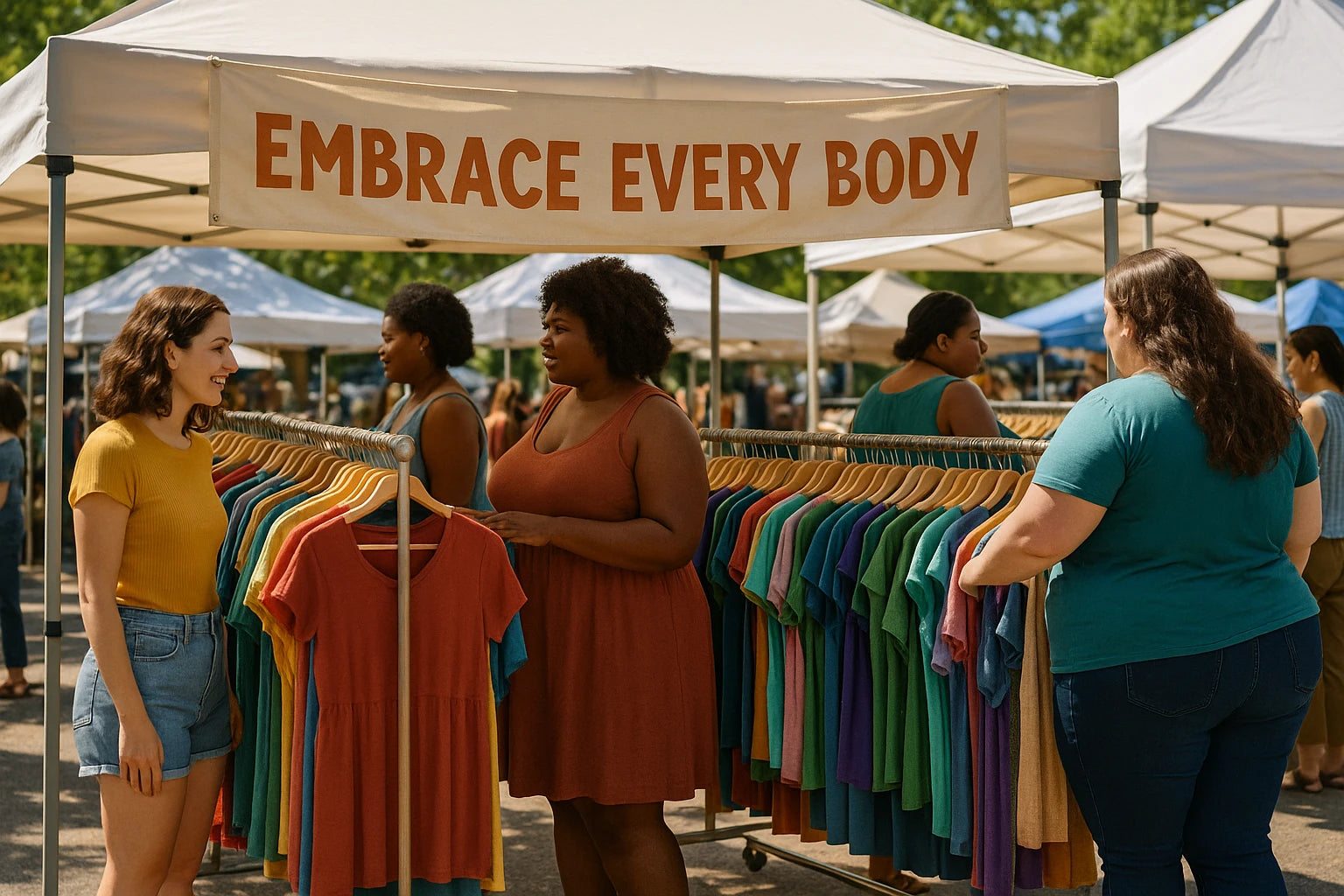
A Beginner's Guide to Size Inclusive Clothing: Embrace Every Body
Understanding the Importance of Size Inclusive Clothing
Fashion is an ever-evolving industry, continually adapting to meet the diverse needs of its consumers. Over recent years, the concept of size inclusive clothing has become increasingly significant, reflecting a shift towards more equitable fashion standards. The growing recognition of this concept is more than a trend; it's a movement toward embracing all body types and sizes, offering equal representation and accessibility in the fashion world.
Traditionally, the fashion industry has been criticized for its narrow portrayal of beauty and limited size offerings. This exclusion left many feeling marginalized, leading to a demand for change. Brands like Simply Be and Eeshops have capitalized on this shift by providing a wide array of sizes, demonstrating both business acumen and social responsibility. The rise in demand for clothing that fits a broad spectrum of body types is prompting more companies to rethink their size ranges and product lines.
Size inclusive clothing doesn't just benefit consumers who wear larger sizes; it enhances the overall market reach of fashion brands. By catering to a more extensive demographic, businesses can connect with a larger customer base, increasing their sales potential. A report by Statista indicated that the plus-size clothing market in the United States is expected to grow significantly, highlighting the lucrative opportunities available for brands willing to embrace inclusivity.
This progression toward size inclusivity is not solely product-focused; it's a cultural shift that recognizes every individual's right to feel comfortable and stylish in their attire. Fashion shows, advertising campaigns, and brand missions are increasingly showcasing models of varying sizes, thereby normalizing diversity in mainstream media. For example, the globally recognized brand Good American is well-known for its commitment to offering sizes ranging from 00 to 24, reflecting its philosophy of embracing all body shapes.
As more companies adopt size inclusivity, the fashion landscape is evolving into a more egalitarian domain where style is accessible to all. This movement isn't just ethically compelling, but it also represents a smart business strategy for brands aiming to thrive in today’s diverse market. Ultimately, the future of fashion lies in its ability to celebrate every type of body, thereby promoting a more inclusive and positive consumer experience.
The Importance of Size Inclusive Clothing in Fashion
In recent years, size inclusive clothing has become a pivotal aspect of the fashion industry, responding to the growing demand for diversity and representation. Consumers no longer view clothing purely as a necessity; it is a form of expression that demands inclusivity. This shift has prompted brands to expand their offerings beyond the traditional size ranges, catering to a broader audience.
Understanding Consumer Demand
The call for size inclusivity is not just a trend but a reflection of societal change. According to Statista, the US plus-size apparel market alone was valued at $21.4 billion in 2020. This figure underscores the substantial buying power of consumers seeking more inclusive options. Brands that understand this demand differentiate themselves by offering diverse sizing, thereby enhancing customer loyalty and expanding their market reach.
Leading by Example: Industry Pioneers
Several brands have set exemplary standards by embracing size inclusivity. For instance, Universal Standard offers clothing in sizes ranging from 00 to 40, demonstrating a commitment to serving all body types. This approach not only attracts a wider audience but also conveys a powerful message of acceptance and equality. Similarly, well-known brands like Nike have launched campaigns that celebrate body diversity, redefining the essence of athletic wear for women of all shapes and sizes.
Challenges and Triumphs
While the transition to a size-inclusive model presents opportunities, it also poses challenges. Brands must rethink production processes, manage increased inventory costs, and ensure quality consistency across all sizes. Despite these hurdles, the rewards are significant. Companies embracing this model witness a positive impact on their brand reputation and consumer trust. For example, fashion retailer ASOS has successfully implemented a wide size range while maintaining style and affordability, showing that size inclusivity can coexist with other brand values.
Overall, the movement towards size inclusive clothing signals a transformative shift in fashion. By prioritizing inclusivity, brands not only capture a thriving market but also align with the values of a more diverse and conscientious generation. As this trend continues, it is essential for companies to stay agile and responsive to their customer base, ensuring that every individual can express themselves without constraints.
The Business Case for Size Inclusive Clothing
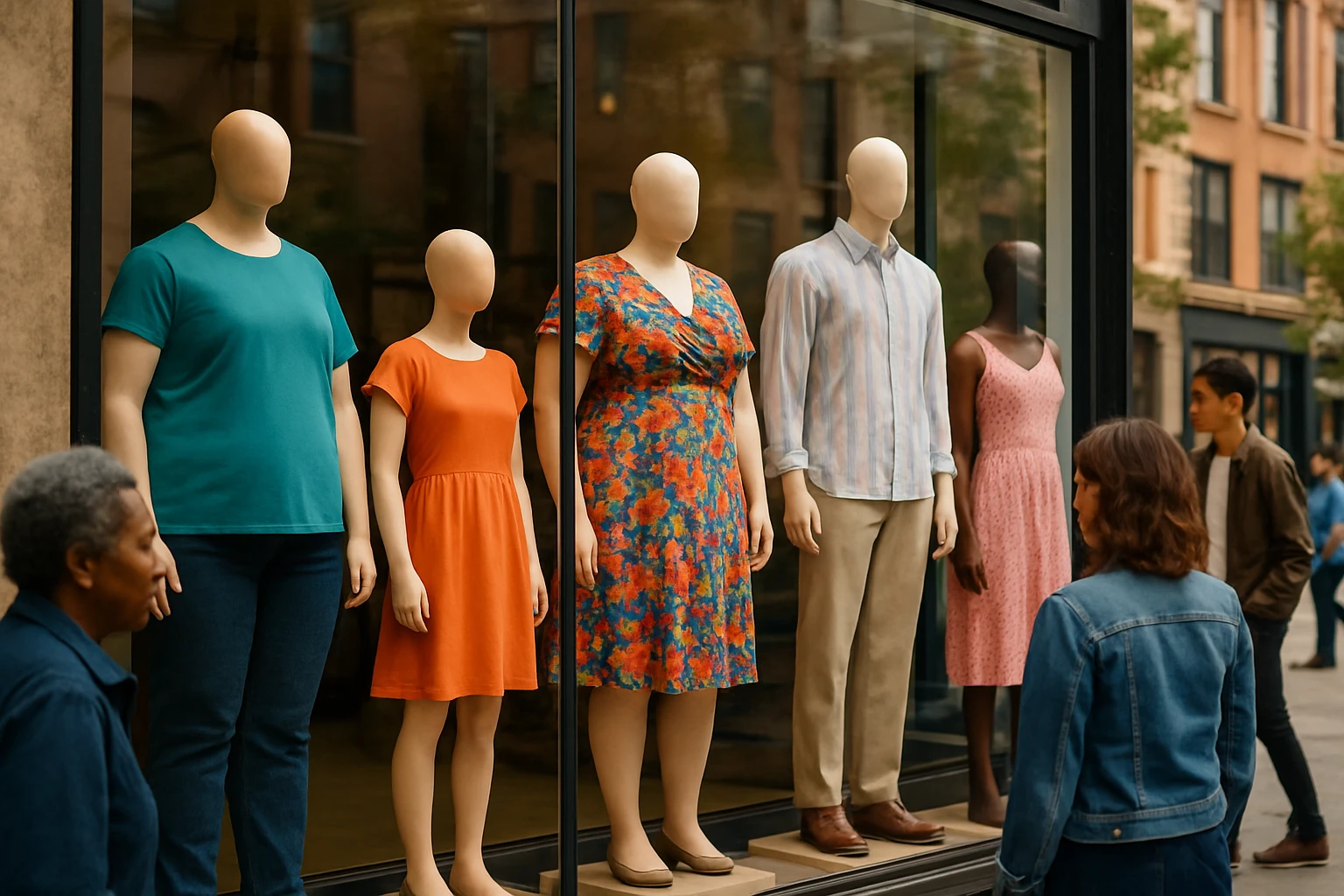
In recent years, the fashion industry has experienced a significant shift towards embracing size inclusivity. This change is not only a matter of social justice but also presents a compelling business opportunity. Brands that adopt size inclusive clothing lines can tap into a historically underserved market, boosting their customer base and enhancing brand loyalty. According to a report by the NPD Group, the plus-size market is valued at over $21 billion and continues to grow, highlighting the potential profits for companies willing to adapt NPD Group.
For businesses, size inclusivity offers a pathway to establish a more diverse and loyal customer base. Brands like ASOS and Old Navy have been at the forefront, promoting a vast array of sizes in their collections. By doing so, these companies have increased their market share and set a high standard for competitors. When brands align with the values of inclusivity and diversity, they not only expand their reach but also foster positive brand reputations, setting themselves apart in a crowded market.
Moreover, embracing size inclusive clothing leads to unprecedented marketing advantages. Campaigns that feature a diverse set of body types tend to resonate more with consumers, building deeper connections and, consequently, customer loyalty. According to a study by Coresight Research, consumers feel more represented and are more likely to support brands that showcase size inclusivity in their advertising Coresight Research.
Therefore, investing in size inclusive clothing is not just beneficial socially but is also a strategic business move. Companies that overlook this opportunity risk alienating a substantial segment of the market. The potential for both economic growth and meaningful societal impact makes size inclusivity a critical focus area for fashion brands looking to thrive in today's diverse consumer landscape.
Integrating size inclusive practices requires thoughtful changes in supply chain management, marketing strategies, and customer engagement. Businesses must prioritize these initiatives to maintain relevance and ensure long-term success. By doing so, they cater to a broader audience and contribute to positive societal change, ultimately benefiting their bottom line.
Benefits of Inclusive Sizing for Retailers and Consumers
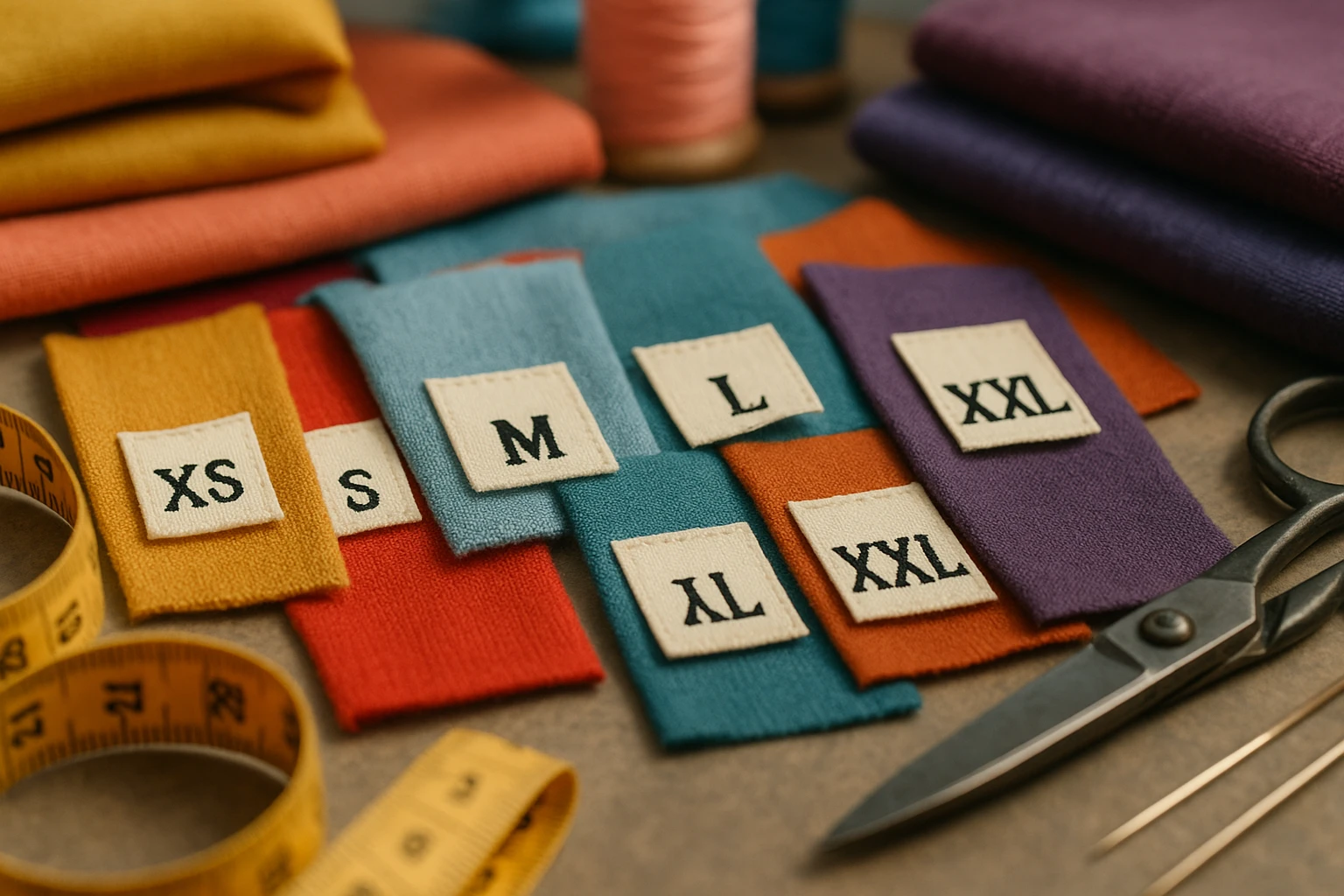
Building on the consumer and brand-level implications of inclusive strategies, it's important to recognize how embracing a broader sizing spectrum enhances both sales performance and customer trust. A recent study conducted by the University of Nevada, Reno and Washington State University shows that retailers offering extended ranges—from XS to 4XL or sizes 00–32—saw significantly improved perceptions of inclusivity and trust among consumers, even among those who don't need extended sizes. This translated into higher purchase intentions and willingness to pay more for their products, demonstrating that inclusion drives stronger customer engagement and financial outcomes University of Nevada, Reno study.
Moreover, industry forecasts reinforce that inclusive apparel isn't just ethical—it's economically compelling. The global plus-size market was valued at approximately USD 119.4 billion in 2024, with expectations to grow at a compound annual growth rate of 5.5%, reaching USD 202.4 billion by 2034. In the United States alone, sales amounted to USD 37.3 billion in 2024, fueled by a culturally diverse population and strong retail momentum Research and Markets.
To illustrate actionable success, consider Katie Sturino's recent launch of a size-inclusive swimwear line with Kitty and Vibe. Offering sizes from XS to 6X, the collection emphasizes custom fits and real bodies, countering industry retrenchment from size diversity. Sturino leveraged authentic representation and thoughtful design, reinforcing her commitment to inclusivity—and resonating with consumers amid shrinking offerings elsewhere People magazine.
Transitioning from theory to practice, brands aiming to capture this value should take pragmatic steps. Starting with comprehensive size grading standards, investing in data analytics to optimize size assortment, and training fit models across diverse body types can ensure an inclusive product range. Those leading the way demonstrate that inclusive sizing isn't just socially necessary—it’s a sound strategic investment that strengthens brand equity, customer loyalty, and long-term profit.
Conclusion
The landscape of fashion is evolving, and size inclusive clothing is more than just a trend—it's a necessary shift towards equity and representation. As brands expand their offerings to include a wider range of sizes, consumers are finding that inclusivity enhances both their shopping experience and brand loyalty.
Key Takeaways
Firstly, size inclusivity is not solely about offering larger sizes but providing options that fit and flatter every body type. Brands like Universal Standard have set a benchmark by offering sizes ranging from 00 to 40, emphasizing the belief that style should not be dictated by size. This approach has demonstrated profitability and brand differentiation in a competitive market.
Secondly, the implementation of size inclusive clothing lines reflects a deep understanding of consumer demands. According to a report from GlobalData, the plus-size clothing market is projected to grow by nearly 5% annually and reach a value of $696 billion by 2022 [Retail Dive]. Brands choosing to embrace this market have an unprecedented opportunity to tap into this growth.
Actionable Insights
Businesses looking to enter or expand in this space should consider investing in comprehensive size research to ensure their products meet diverse needs. Collaborating with a diverse group of designers and measurement experts can facilitate the creation of garments that meet the expectations of a broad clientele. Leveraging customer feedback and engaging with target demographics through social media can provide ongoing insights into consumer preferences.
Additionally, marketing strategies that highlight inclusivity are powerful. Authentic storytelling, featuring people of all sizes and backgrounds in advertising campaigns, can reinforce a brand’s commitment to size inclusivity. This not only builds trust but also strengthens consumer relationships.
Call to Action
It's time for businesses to prioritize inclusivity at the heart of their design and marketing strategies. By doing so, they will not only serve an underserved segment but also enhance their own market presence. We encourage all fashion brands to take a step forward and fully embrace size inclusive clothing. Let's build a fashion industry that truly represents everyone. For further insights and successful examples of size inclusivity, explore Business of Fashion’s detailed analysis. Together, we can foster an environment where style is accessible to all, irrespective of size.


Leave a comment
This site is protected by hCaptcha and the hCaptcha Privacy Policy and Terms of Service apply.