

The Ultimate Beginner's Guide to Graphic Tees
Introduction
Imagine walking into a room and immediately sparking conversation—without saying a word. That’s the power of the right graphic tee: a wearable statement that captures attention, communicates identity, and resonates with cultural currents. In a fashion landscape dominated by rapid trends, graphic tees stand out for their staying power and versatility. Whether emblazoned with bold pop culture references, nostalgic icons, or socially conscious slogans, these shirts function as personal billboards, offering both style and substance.
From a market perspective, the graphic tees segment commands significant influence. In 2024, the global graphic tees market was valued at approximately USD 23.5 billion, with projections indicating growth to USD 38.2 billion by 2033 at a 5.2% compound annual growth rate datahorizzonresearch.com. In North America, which currently dominates the share at around 35%, the demand is particularly strong—driven by high fashion adoption, broad retail networks, and consumer appetite for both branded and designer designs datahorizzonresearch.com.
Beyond numbers, the cultural relevance of graphic tees continues to evolve. Nostalgia plays a pivotal role—as Gen Z and millennials gravitate toward imagery from 90s cartoons, retro gaming, or vintage band logos, these tees become both nostalgic touchstones and fresh fashion statements onlyteez.com. Equally, the platform afforded by social media accelerates their visibility: a single TikTok or Instagram post can turn a graphic tee into a viral sensation, turning everyday fashion into immersive storytelling.
What makes these shirts more than mere garments is their ability to adapt. They're canvases for activism, humor, fandom, and self-branding—all in one. Brands and independent creators leverage this flexibility to release limited edition drops, collaborate with artists, or layer subtle designs into wearable art. The result: a fashion item that doesn’t just reflect the wearer—it amplifies their voice in a crowded cultural landscape.
In the sections that follow, you'll discover how to leverage this dynamic medium—from understanding consumer trends and selecting standout designs to optimizing web content for product visibility. You'll learn methods for identifying high-impact themes, sourcing ethically produced options, and positioning graphic tees to appeal in both retail and digital arenas. By the end, you'll not only appreciate the depth behind this simple staple—but also know how to turn it into a strategic asset.
Understanding Consumer Trends in Graphic Tees
In today's dynamic fashion landscape, understanding consumer preferences for graphic tees is essential for brands aiming to cater to diverse audiences. Over the past decade, graphic tees have transcended beyond mere casual wear to become a significant expression of personal identity. This shift is driven by younger consumers who favor authenticity and individuality in their clothing choices. The rise of social media platforms like Instagram has amplified this trend, where unique and personalized attire often gains more visibility.
Appealing to Modern Aesthetics
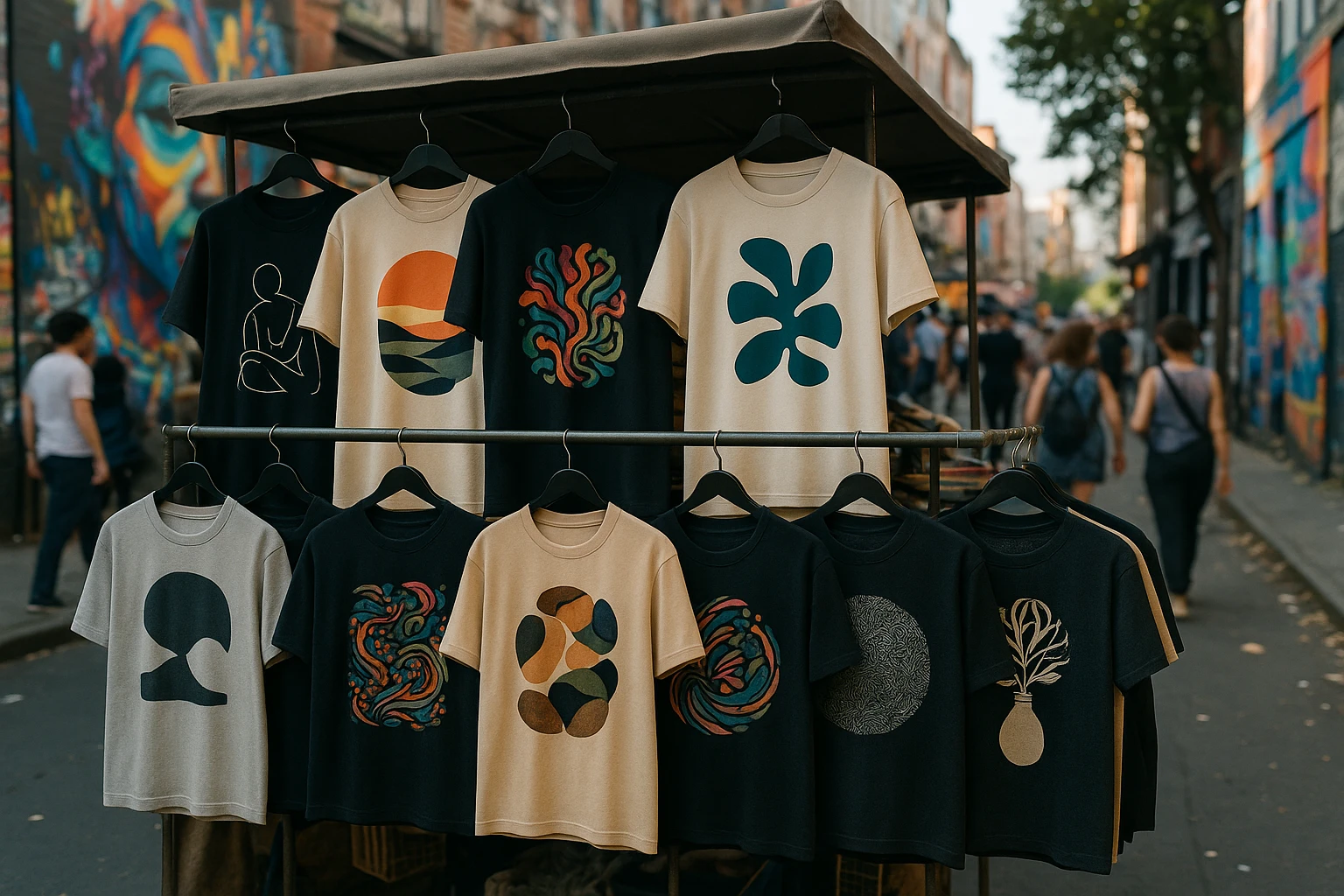
The modern aesthetic in graphic tees leans towards minimalistic designs with bold statements or artistic illustrations. According to a report by Allied Market Research, the global custom t-shirt printing market, which includes graphic tees, is projected to reach $10 billion by 2025, highlighting the demand for customizable options (Allied Market Research). Brands like Threadless have capitalized on this trend by offering a platform where artists can showcase their work, turning tees into canvases for art.
The Importance of Ethical Sourcing
Ethical production is another critical trend affecting the graphic tee industry. Many consumers now prioritize sustainability and ethical sourcing in their buying decisions. Companies like Everlane have built their brands around transparency and responsible production practices, gaining trust and loyalty from ethically conscious shoppers (Everlane's transparency page). Offering tees made from organic cotton or recycled materials not only meets consumer expectations but also positively impacts brand image.
Leveraging Digital Platforms
To successfully market graphic tees, leveraging digital platforms is indispensable. E-commerce giants like Amazon and niche marketplaces such as Redbubble provide vast reach and diverse customer bases. Social media platforms are equally vital, with user-generated content and influencer collaborations significantly enhancing brand visibility. For instance, incorporating a compelling narrative with every graphic tee design can foster engagement and make products more relatable. These strategies help in creating a loyal community around the brand, ensuring sustained interest and growth.
By aligning with these consumer trends and utilizing digital tools effectively, brands can not only achieve greater market penetration but also build meaningful connections with their audience. This strategic alignment positions graphic tees as more than just fashion items but as essential elements of personal branding and expression.

The Cultural Impact of Graphic Tees
Graphic tees have evolved beyond mere fashion statements to become powerful tools of cultural expression. These versatile garments enable individuals to showcase their personalities, beliefs, and interests through artistic designs and slogans. The growing trend has fostered a thriving market where creativity and identity intersect, proving the enduring appeal of the graphic tee.
Identity and Expression
By wearing graphic tees, individuals express personal affiliations and sentiments. From bands to social causes, these shirts serve as canvases for conveying messages. According to a survey by Statista, the global e-commerce market size of fashion has been increasing, with graphic tees as a significant contributor. This popularity underscores the shirts' role in representing subcultures and communities.
Branding and Influence
Brands utilize graphic tees to build connection and loyalty among customers. For instance, companies like Nike and Adidas have mastered the art of producing limited edition tees that resonate with their audience. These shirts not only drive sales but also enhance brand visibility. According to Forbes, the demand for sustainable fashion, including eco-friendly graphic tees, is reshaping purchasing habits, encouraging brands to adopt more sustainable practices.
Artists and Collaborations
Graphic tees offer a platform for artists and designers to gain recognition. Collaborations between brands and artists provide unique designs that captivate consumers. A notable example is Uniqlo's partnership with renowned artists like KAWS, resulting in tees that blend art and accessible fashion. These collaborations often lead to increased visibility for artists and exclusive experiences for consumers who eagerly anticipate the next release.
Trends and Evolution
Graphic tees continue to evolve with changing cultural trends. The integration of technology, such as augmented reality designs, adds new dimensions to these garments. According to a report by Business Insider, augmented reality is becoming a significant trend in fashion, with graphic tees at the forefront. This innovation allows wearers to interact with their clothing in novel ways, bringing a digital twist to their style.
The cultural impact of graphic tees extends far beyond fashion, serving as powerful mediums for personal expression, branding, and artistic innovation, forever cementing their place in cultural history.
The Role of Graphic Tees in Sustainable Fashion
As the fashion industry increasingly embraces sustainability, graphic tees have emerged as an unexpected yet effective player in promoting eco-friendly practices. These vibrant garments offer a canvas for innovation not only in design but also in sustainable manufacturing and consumer behavior.
Sustainable Materials and Processes
One of the key ways graphic tees contribute to sustainability is through the use of eco-friendly materials. Brands like Patagonia and Alternative Apparel are pioneering the use of organic cotton and recycled polyester, which reduce water consumption and minimize waste. According to Patagonia's eco-footprint data, their use of organic cotton saves approximately 27 gallons of water per shirt compared to conventional cotton. Such practices underscore the significant environmental benefits these materials provide.
Promoting Conscious Consumerism
Graphic tees are strategically positioned to influence consumer behavior towards more sustainable choices. By integrating impactful messages and artwork, these tees often promote environmental awareness and ethical purchasing decisions. For example, the brand Everlane utilizes transparent pricing models and prints sustainability messages directly on their tees, encouraging customers to reflect on their consumption habits. According to a study by Green Queen, 62% of consumers are more likely to purchase from brands that support sustainable practices, highlighting the potential of graphic tees as change agents.
Innovations in Eco-Friendly Printing
Beyond materials, advances in printing technology play a crucial role in the sustainability narrative of graphic tees. Traditional screen printing involves chemicals that can be harmful to the environment, but digital printing techniques, like direct-to-garment (DTG) printing, offer a more sustainable alternative. These methods use water-based inks and generate less waste, positioning them as environmentally superior options. Brands utilizing DTG technologies, such as Printful, demonstrate a commitment to reducing the ecological footprint of their products.
Through sustainable materials, conscious consumerism, and innovative printing, graphic tees are at the forefront of fashion’s green revolution. This shift towards sustainability not only enhances their appeal among environmentally conscious consumers but also positions them as a transformative element in the future of fashion.
Conclusion
In summary, the demand for well-designed, expressive apparel continues its strong ascent. The United States T‑shirt market alone is projected to generate over US$11 billion in revenue by 2025, with graphic‑heavy pieces forming a significant share of that growth teninoventures.com. Globally, graphic‑print styles account for roughly 38% of T‑shirt purchases, underscoring their popularity among consumers globalgrowthinsights.com. Looking ahead, the graphic tees market is estimated to grow from approximately US$23.5 billion in 2024 to about US$38.2 billion by 2033, driven by creative visuals, customization, and direct‑to‑consumer engagement teninoventures.com.
Key Takeaways
- Seasonal peaks in search interest—particularly for “band” and “retro” themed designs—occur in late spring and mid‑summer. Brands can leverage these periods for targeted launches and promotions accio.com.
- Sustainability is no longer niche. A growing percentage of consumers expect eco‑friendly materials and production methods in their apparel globalgrowthinsights.com.
- Diversification across crewneck, unisex, and women’s fits offers significant opportunity, especially as e‑commerce continues to account for the majority of sales accio.com.
Actionable Insights
For brands and designers, aligning product strategy with consumer behavior is critical. First, consider launching limited drops of thematic graphic tees timed around festivals, music events, or seasonal fashion cycles—this aligns with documented spikes in search interest accio.com. Next, sourcing sustainable materials—such as organic cotton or recycled fibers—and marketing those choices can tap into rising eco‑conscious demand globalgrowthinsights.com. Finally, investing in customization tools—whether digital previews or print‑on‑demand services—can foster consumer engagement while reducing inventory risk and waste teninoventures.com.
Call to Action
If you're looking to stand out in the apparel market, start by identifying your niche—whether that’s nostalgia‑driven band prints, minimalist art, or statement slogans. Then, plan strategic seasonal roll‑outs, emphasize sustainable fabrics, and offer personalization that resonates with consumers seeking products that reflect their values and identity. Stay agile, anticipate trends backed by real data, and your designs won’t just be seen—they’ll be worn, cherished, and shared.


Leave a comment
This site is protected by hCaptcha and the hCaptcha Privacy Policy and Terms of Service apply.