

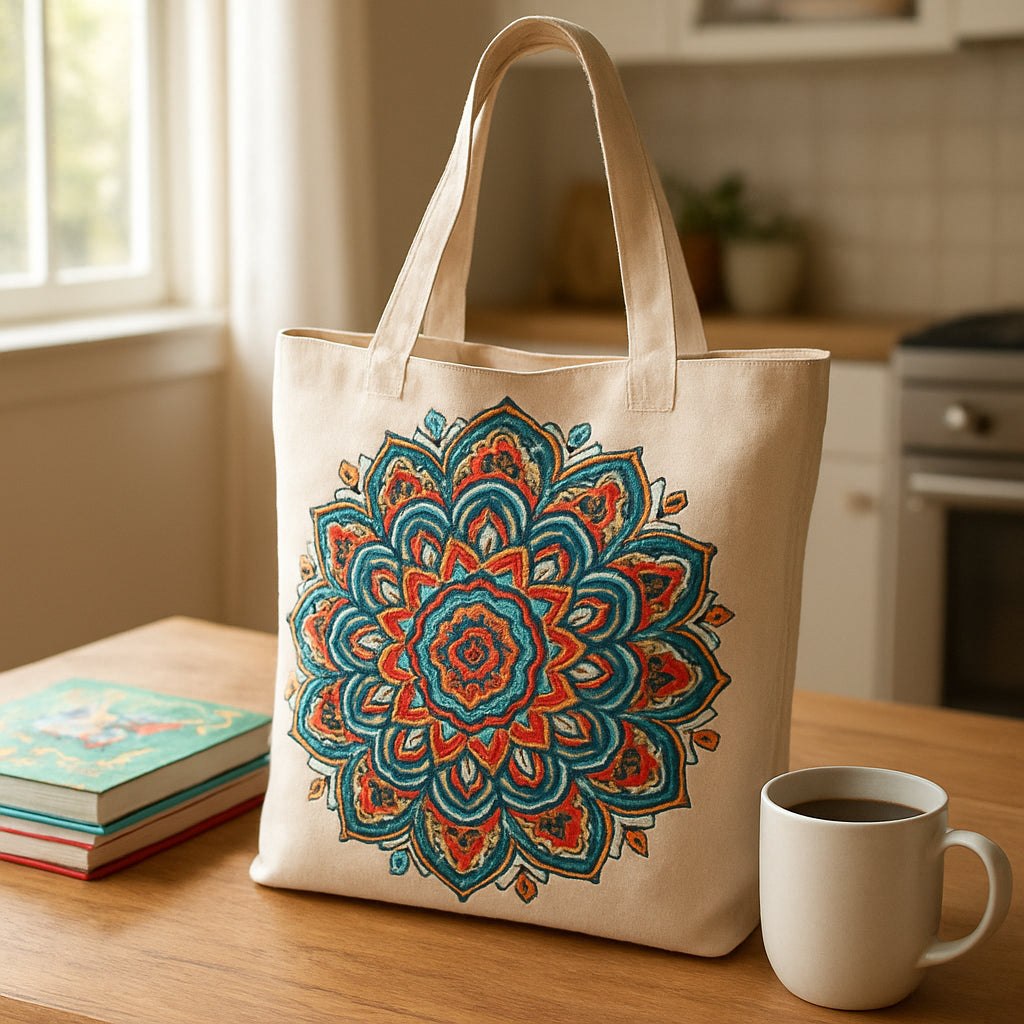
Boho Tote Bag Print on Demand: 6 Essential Tips to Boost Sales
Ever walked past a coffee shop and noticed that perfect boho‑styled tote bag catching the eye, and thought, “I could make one like that for my own crew”? You’re not alone – that mix of earthy patterns and practical space hits a sweet spot for busy parents, teachers, and nurses alike.
We get it: Moms juggling grocery runs, Dads hauling gym gear, Teachers carrying lesson plans, and Nurses shuffling between shifts need a bag that looks good and holds everything. The boho vibe – think feather‑light paisley, muted terracotta, and a splash of fringe – feels relaxed yet intentional, matching the rhythm of a hectic day.
But finding a tote that ticks both boxes – style and durability – can feel like searching for a needle in a haystack. That’s where boho tote bag print on demand steps in, letting you design a bag that’s uniquely yours without the upfront inventory risk.
Picture this: Sarah, a mom of two, sketches a simple mandala with soft teal accents on her laptop. She uploads the design to a POD platform, selects an organic‑cotton tote, and within days a batch of custom bags arrives ready for school drop‑offs and weekend picnics.
Or take Alex, a high‑school teacher, who creates a tote featuring playful chalk‑board lettering saying “Teach, Inspire, Repeat.” He sells a few to fellow staff members, turning the bag into a subtle brand for the department.
Here’s a quick‑start checklist you can follow right now:
- Brainstorm a motif that reflects your personality or audience – think dream‑catchers, sun motifs, or vintage maps.
- Choose a reputable POD provider that offers 100 % cotton or recycled canvas totes.
- Export your artwork at 300 dpi PNG with a transparent background; keep critical elements at least 1 inch away from the edges.
- Upload, preview, and order a sample to check colour fidelity and stitching quality.
- Share your new tote on Instagram or a parent‑teacher Facebook group, using a story highlight to drive sales.
One tip we’ve seen work wonders: pair the tote launch with a limited‑time discount code for your email list. It nudges hesitant shoppers and builds momentum fast.
Need more design inspiration? Check out our guide on custom floral mug print on demand – the principles of colour balance and mock‑up creation translate perfectly to tote designs.
So, are you ready to turn that boho spark into a bag that carries both style and substance? Let’s get those designs out there and watch the everyday heroes grab a tote that’s as unique as they are.
TL;DR
Discover how boho tote bag print on demand lets busy moms, dads, teachers and nurses create stylish, eco‑friendly bags without inventory, using simple design steps.
We also share a quick checklist and promotion tricks so you can launch your tote fast, start earning, and keep your creative vibe alive today.
1. Choose the Right POD Platform for Boho Tote Bags
When you’re scrolling through endless POD options, it can feel like you’re trying to pick a perfect stitch in a tangled skein. You’ve got a vision of a feather‑light, terracotta‑kissed tote that will hold a kid’s snack stash, a teacher’s lesson plans, or a nurse’s shift‑essentials. The first step is finding a platform that actually respects that vibe instead of turning it into a generic print.
1️⃣ Look for eco‑friendly material options
Not every POD service offers 100 % organic cotton or recycled canvas. Moms and nurses especially love knowing the bag they’re selling (or buying) won’t add to landfill waste. A platform that lists material certifications right on the product page saves you a back‑and‑forth email chain and shows your audience you care about the planet.
2️⃣ Check the range of tote sizes and styles
One size rarely fits all. A dad might need a larger, sturdier bag for gym gear, while a teacher prefers a slimmer, pocket‑friendly version for pens. Choose a platform that lets you pick from at least three size options and offers variations like reinforced handles or fringe details – those little boho touches that make the bag feel custom‑made.
3️⃣ Test the print quality and colour accuracy
We’ve seen designs look vibrant on a screen but turn muted once printed. The best platforms give you a high‑resolution mockup and, better yet, a sample order at a low cost. Order a single bag, compare the colours to your original PNG, and feel the stitching. If the print looks crisp and the threads hold up after a wash, you’ve found a winner.
So, what does a good platform actually look like in practice?
That quick walkthrough shows the exact steps to upload your boho design, select the right tote, and order a sample. It also highlights hidden fees you might miss, like artwork‑adjustment charges or rush‑production surcharges.
4️⃣ Compare pricing, shipping and fulfillment speed
Pricing isn’t just about the per‑bag cost. Look at how the platform handles bulk discounts, shipping zones, and turnaround time. For teachers planning a semester‑long fundraiser, a two‑week fulfillment window is crucial. For nurses on shift, you’ll want a platform that ships directly to the buyer’s address, so you don’t have to juggle inventory.
5️⃣ Customer support that actually helps
If something goes sideways – a misprinted design or a delayed shipment – you need a support team that answers within hours, not days. Platforms that offer live chat or a dedicated account manager make it easier to keep your launch timeline on track, especially when you’re juggling a family or a full‑time job.
In our experience at TeninoVentures, we’ve curated a short checklist that combines all these factors. It’s a simple spreadsheet: material, size options, sample cost, base price, shipping time, and support rating. Fill it out for each platform you’re considering and you’ll see the best fit pop right up.
Choosing the right POD platform is the foundation for a successful boho tote line. Get the material, quality, pricing, and support right, and the rest – design, marketing, sales – will fall into place.
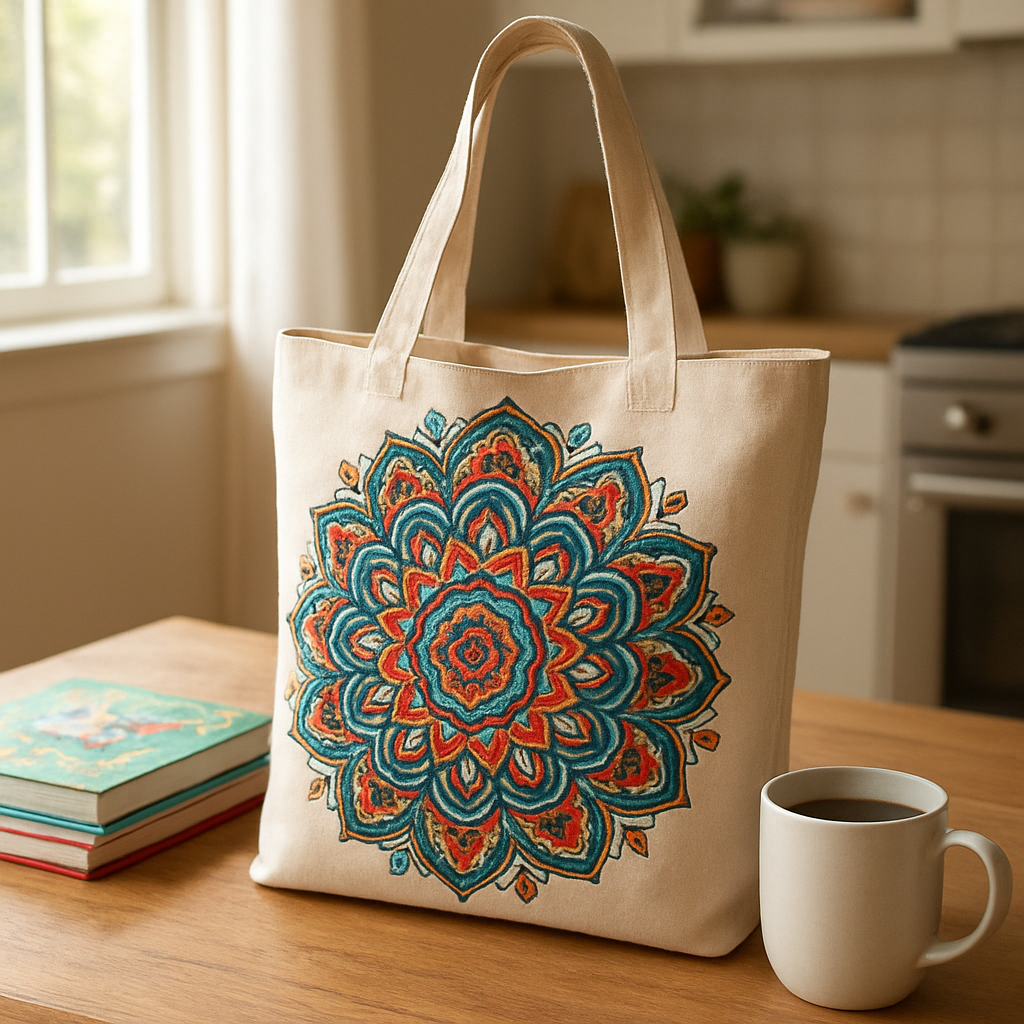
2. Curate Boho Designs That Capture Trends
Let me be completely honest: curating boho designs that actually feel current is a small art. You want patterns that vibe with real people and still print cleanly on tote bags. So how do you nail the balance between trend and print readiness?
Here's a practical approach that keeps the design process human, not hype-driven. Think color stories, story motifs, and a few tested production rules you can trust when you’re busy juggling family life and school runs.
1. Ground your mood before you draw
Start with a mood board that blends earth tones, nature textures, and tactile touches like fringe or woven patterns. Ask yourself what your audience would actually carry: a tote for school drop-offs, a bag that fits worksheets, a commuter's lunch. This makes the design feel personal, not generic.
Does this idea spark something you’d actually reach for every week? If yes, you’re on the right track. Keep that mood honest and simple.
2. Lock in a palette that feels current
Trends aren’t about chasing fads; they’re about resonance. Choose 3-4 core colors that pair well with your audience's daily life—muted terracotta, sage greens, dusty blues. Keep backgrounds simple so the motif can breathe and print clearly on organic cotton totes.
So what’s your go-to palette for this season? Start with a main color, a supporting hue, and a neutral that ties everything together.
3. Motifs that tell a story for your audience
For Moms, think nature-inspired abstracts; for Dads, geometric hints with a rugged edge; for Teachers, chalkboard-inspired typography; for Nurses, calming symbols. The trick isn’t to cram every trend into one bag, but to pick a motif that communicates care, practicality, and personality at a glance.
Think about what your kid's teacher or your sister on night shift would reach for first. That anchor keeps designs focused and saleable.
4. Mind the printing reality
Direct-to-fabric prints love solid shapes and clean lines. Gradients can get muddy on low-cost printing, so simplify where possible. When you’re choosing a design, test it on a 300 DPI export with a transparent background, and preview it on the tote color you plan to sell. This isn’t vanity—it's avoiding customer returns.
We’ve seen prints that looked great on screen fall flat in real life. Good tests save you a lot of heartache later.
5. Mock up, test, and iterate
Always order a sample. Look at color fidelity, stitching, and how the tote wears when it’s loaded with books and a water bottle. If the print fades after a wash or the stitches show, tweak the artwork or choose a different print method. It’s worth the tiny delay for long-term trust.
Think of it as a mini S.M.A.R.T. test for your design—specific, measurable tweaks that move you forward.
6. Showcasing trends without oversaturation
When you shoot product photos, keep the background clean and let the pattern do the talking. Use lifestyle shots that show real moments—a mom unloading groceries, a teacher heading to class, a nurse after a shift. This makes the trend feel lived-in, not disposable. And if you want a deeper dive into turning art into demand on POD, check out this resource from our blog: Everything You Need to Know About Custom Floral Mug Print on Demand.
3. Optimize Your Listings for SEO Success
So you’ve got the boho vibes dialed in, and your tote is ready to roll. The next move is making sure your listing actually gets found by the people who’ll love it. SEO isn’t a dark art; it’s a set of practical steps you can repeat every time you list a new design.
In our experience, small tweaks beat big overhauls. Let’s break down seven proven moves you can implement today to boost visibility for boho tote bag print on demand.
1. Nail the primary keyword and product title
Your title should read naturally and include the exact phrase “boho tote bag print on demand” near the start. You want clarity over clever fluff. For example: Boho Tote Bag Print on Demand — Organic Cotton Tote with Mandala Pattern. Short, descriptive, and easy to scan on mobile.
Avoid stuffing keywords; the goal is a real person who sees value instantly. A clear title reduces bounce and increases click‑through. Think user intent: what would a teacher or a nurse search to find a practical tote like this?
2. Write scannable, benefit-focused descriptions
Lead with a tangible benefit for your audience. For busy Moms, Dads, Teachers, and Nurses, describe how the tote keeps essentials organized during a shift or school run. Then layer in features like capacity, stitching, washability, and care instructions. Short sentences, short paragraphs, and key specs in bullet‑friendly form help readers skim fast.
Does this really help a shopper picture themselves using it? Yes—keep the vibe practical and human, not glossy and distant.
3. Optimize image alt text and filenames
Images are discoverable in search and brighten listings in image results. Name files with relevant keywords: boho-tote-bag-mandal a-organic-cotton.jpg. Write alt text like “boho tote bag print on demand in organic cotton with mandala motif.” Alt text also improves accessibility, which shoppers appreciate when browsing on mobile.
Alt text should be concise, descriptive, and keyword-conscious without stuffing. Think about what a shopper would type to find that image.
4. Use structured data and rich snippets basics
Where possible, add product schema with price, color options, materials, and availability. Rich results can boost click‑throughs by showing stars, stock status, and quick specs. You don’t have to code from scratch; many platforms offer straightforward fields or apps to handle this. In our experience, a clean schema setup helps your listing stand out in search results.
Platforms like TeninoVentures can streamline this by making listings easier to optimize across channels, so you’re not rebuilding data for every marketplace.
5. Tagging, categories, and cross-listing
Choose 5–7 highly relevant tags that cover both product and audience: “boho tote bag,” “print on demand tote,” “organic cotton tote,” “teacher tote,” “mom bag.” Align your shop categories with buyer intent so a shopper lands exactly where they expect. Cross-list to Etsy, Shopify, or your POD hub with consistent categories to avoid confusion and boost clicks.
For a deeper dive into listing optimization and design alignment, check out Everything You Need to Know About Custom Floral Mug Print on Demand.
6. Encourage reviews and leverage social proof carefully
Reviews matter, especially for Moms and Nurses who want reliable gear. Encourage honest feedback after a purchase and respond publicly to questions. Focus on tangible details—stitching quality, color fidelity, how the tote wears when loaded with books and a water bottle. Avoid fake testimonials; authenticity beats hype every time.
Keep responses helpful and human. A thoughtful reply can turn a neutral reviewer into a future buyer.
7. Monitor performance and iterate
Set a simple weekly check: track impressions, clicks, and conversions. If a listing underperforms, test a title variant, tweak the description, or refresh photos. Make small, deliberate tweaks and measure impact over a 7–14 day window. What should you do next? Start with one element—update alt text, retitle, or swap a main image—and watch the numbers move.
4. Pricing Strategies & Profit Margins Overview
Okay, you’ve got a gorgeous boho tote bag print on demand ready to roll – now the real question is, how do you price it so you cover costs, stay competitive, and still make a smile‑wide profit?
1. Know your base cost inside out
Every POD platform shows you a “base price” for the tote (usually the fabric, printing, and fulfillment). Grab that number, add the sample fee if you order one, and you’ve got the floor you can’t go below. In our experience, organic‑cotton totes sit around $12‑$15 per unit, but it can vary by colour or size.
Tip: create a simple spreadsheet where the columns are “Base Cost,” “Shipping,” “Transaction Fees,” and “Desired Profit %.” Seeing the numbers side‑by‑side stops guesswork.
2. Factor in platform fees
Etsy, PayPal, and credit‑card processors each take a slice. Etsy’s transaction fee is 6.5 % plus a $0.20 listing charge, PayPal grabs about 2.9 % plus $0.30. Add those to your cost column – it might look like an extra $1‑$2 per bag, but it adds up fast.
Does this feel like a lot? Remember, those fees also give you exposure to a huge audience of Moms, Dads, Teachers, and Nurses who are already shopping for exactly what you sell.
3. Choose a markup that matches your audience
For a “gift‑ready” boho tote, a 40‑50 % markup is common. That means if your total cost is $16, you’d list around $22‑$24. Teachers love a good deal, but they also appreciate quality, so a modest premium is fine.
Sometimes a tiered approach works: a base price for a single bag, a slight discount for a two‑bag bundle, and a deeper cut for a family pack of four. Bundles also boost average order value – a win‑win.
4. Test psychological pricing
Ever notice how $24.99 feels cheaper than $25? That little “99” trick can nudge a hesitant shopper over the line. Just don’t overdo it; if you see $19.99 on a $30‑cost bag, you’ll be eating the margin.
Another trick is “anchor pricing.” Show a “Premium Boho Tote – $34.99” next to your standard $24.99 version. The higher price makes the lower one look like a bargain.
5. Keep an eye on seasonal sales
Back‑to‑school, holiday gifting, and Mother’s Day spikes are perfect moments to roll out a limited‑time discount. A 10‑15 % coupon code for email subscribers can drive urgency without permanently slashing your margin.
Just set a timer: run the sale for 7‑10 days, track conversion lift, then revert to your regular price.
6. Track, tweak, repeat
Every week, glance at your profit dashboard. If a tote consistently sells out, you might have room to raise the price a few dollars. If it lingers in the cart, consider a small discount or a free‑shipping threshold.
Data‑driven tweaks keep you from leaving money on the table.
Quick pricing cheat sheet
| Element | What to calculate | Typical range |
|---|---|---|
| Base tote cost | Fabric + print + fulfilment | $12‑$15 |
| Fees & shipping | Etsy, payment processor, postage | $2‑$3 |
| Desired profit margin | Markup % over total cost | 40‑50 % |
Bottom line: price with confidence, test small changes, and let the numbers guide you. When you nail the math, you free up mental space to focus on what matters – creating more boho‑inspired designs that your audience can’t resist.
For a deeper dive on how to balance colour, design, and profit, check out our guide pricing tips for POD products.
5. Promote Your Boho Tote Bags on Social Media
So you’ve got the designs. Now the real work begins: getting eyes on them without feeling slimy. Let’s map out a human, doable social plan that fits busy lives—Moms, Dads, Teachers, Nurses alike.
Where should you post? The answer isn’t “everywhere.” It’s where your people actually hang out. For many Moms and Teachers, Instagram and Facebook groups work well; Dads often discover new bags through Pinterest boards; Nurses who swap tips in hospital lounges respond to quick, visual posts with honest details. Start with 2-3 platforms and grow from there.
1. Create scroll-stopping visuals that tell a story
People scroll fast. Show your tote in real-life moments: a grocery run, a classroom desk loaded with worksheets, or a hospital bag ready for a shift. Use natural lighting, simple backgrounds, and a second shot that shows size and stitching. A single image won’t do—your carousel should convey “why this bag fits your day.”
Think about a consistent visual language—earthy tones, a touch of fringe, the mandala motif—so people recognize your posts in a sea of content. And yes, color fidelity matters; a great mockup on a bright screen can look nothing like the real tote in person.
2. Craft captions that feel like a friend’s text
Lead with a real benefit: “Keeps snacks, crayons, and coffee in one place.” Then drop 2-3 concrete specs: capacity, fabric, and care. Break lines for easy scanning, and finish with a simple prompt: “Which room would you tote this in?”
Does this approach work? We’ve seen carousels with day-in-the-life stories outperform generic product shoots by a factor of 2–3 in engagement. The point isn’t to sell hard; it’s to invite people to imagine using the tote daily.
3. Build social proof without fake hype
Encourage customers to share their photos and tag you. Repost real-life shots with a short caption that thanks them. A tiny behind-the-scenes glimpse—how you chose the tote color, or how a design was tested—builds trust. Authenticity beats glossy perfection every time.
Want more ideas? Consider a light-weight contest: ask followers to post their tote-use moment for a chance to win a discount code. It’s a simple nudge that grows reach without feeling forced.
4. Run tiny, time-bound promos for social followers
Exclusive codes—say 10–15% off for your IG story viewers—create urgency without cutting margins permanently. Set a 5- or 7-day window, and pair it with a clear CTA: “Shop the look in bio.”
Track what resonates. If posts with classroom shots outperform kitchen shots, shift your mix toward more teachers-focused scenes. If carousels outperform single images, lean into storytelling—it’s usually easier to produce and still converts.
5. Weave community and collaboration into your cadence
Ask for user-generated content, share testimonials from real customers, and tag partners or groups that align with your audience. This feels human and reduces the burden of constantly creating new visuals. For a deeper dive on POD promotion ideas, see our long-form resource on POD basics and storytelling: Everything You Need to Know About Custom Floral Mug Print on Demand.
To visualize this approach in action, imagine a mom scrolling through her feed and pausing on a carousel showing a tote in three everyday moments—grocery run, school drop-off, quick coffee stop. It feels familiar, not flashy. That’s the magic of human-centered social content.
To help you plan visually, consider a simple post formula: 1 photo or 1 carousel card, a benefit-led caption, 1 concrete spec, 1 question to spark comments, and 1 soft CTA. It’s doable, even on a busy day.
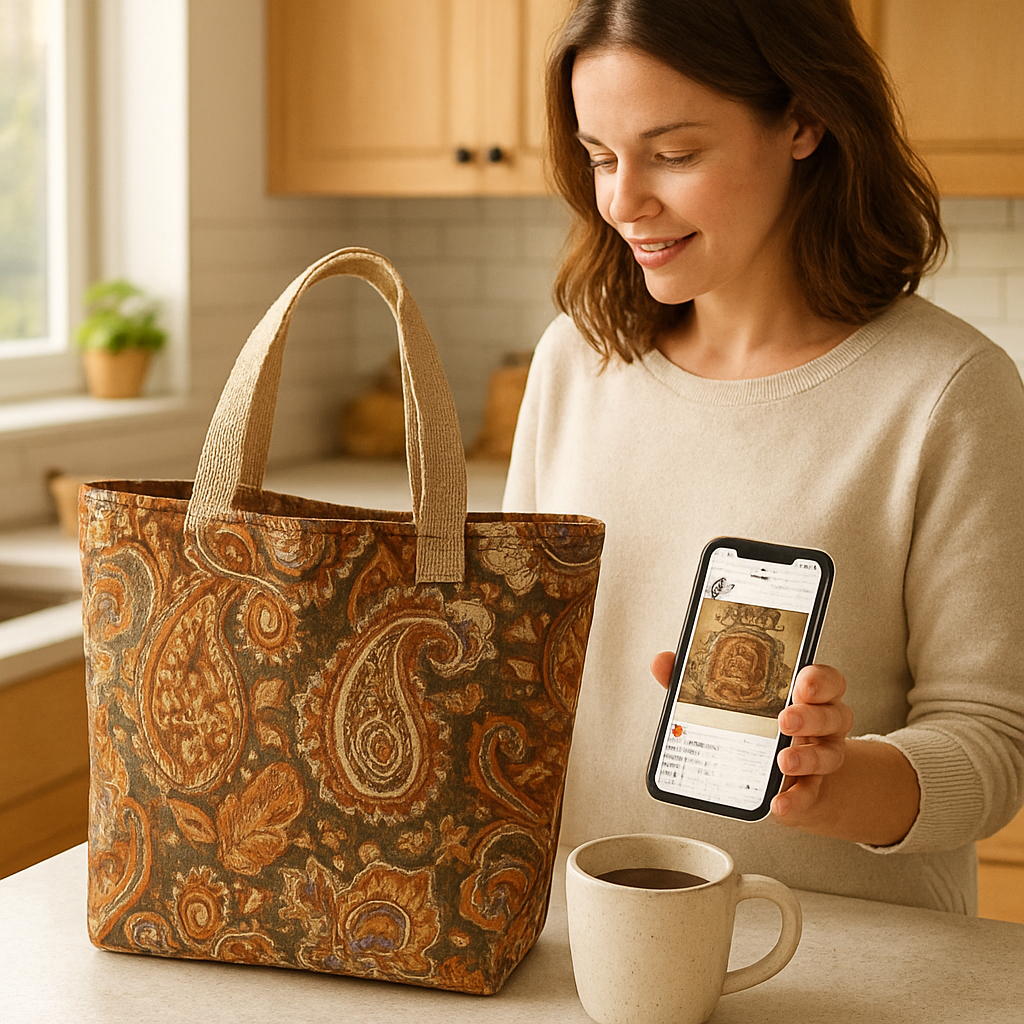
6. Sustainable Materials & Eco‑Friendly Production
When you’re picking a tote for a busy mom or a night‑shift nurse, the fabric feels just as important as the design. You want something that looks good, lasts long, and doesn’t add to the planet’s waste pile.
1. Go organic cotton – the soft, breathable champion
Organic cotton grows without synthetic pesticides, meaning the soil stays healthier and the water usage drops by up to 30 % compared with conventional cotton. For a boho tote, that natural hug‑feel translates into a bag that drapes nicely over shoulders and still holds a laptop, grocery bags, or a handful of crayons.
In our experience, shoppers notice the difference the moment they lift the tote – the texture is smoother, the colours stay true after a few washes, and the stitching holds up when you stuff it with school supplies.
2. Recycled canvas – turning old fibres into fresh style
Recycled canvas takes post‑consumer waste (like old denim or discarded cotton shirts) and weaves it into a sturdy, slightly heavier material. It’s perfect for the rugged‑look many boho fans love, and it reduces landfill waste dramatically.
Imagine a teacher loading lesson plans, a water bottle, and a tote‑sized snack box. The canvas flexes just enough to be comfy, yet it resists tearing – a win‑win for durability and eco‑credibility.
3. Hemp blends – the under‑the‑radar hero
Hemp grows fast, needs minimal water, and naturally repels mould. When blended with a touch of organic cotton, you get a fabric that’s breathable, gets softer with each wash, and carries a subtle, earthy texture that screams boho without trying too hard.
Plus, hemp’s natural UV resistance means your tote’s colours won’t fade as quickly when you’re out on a sunny school‑run or a weekend market stall.
4. Low‑impact inks – colour without the chemical guilt
Traditional DTG inks can contain heavy metals and volatile organic compounds (VOCs). Look for water‑based or soy‑based inks; they dry faster, produce less waste, and still deliver vivid boho patterns – think muted terracotta, sage green, and dusty blues.
One tip: ask your POD partner for a proof printed with low‑impact inks before you commit to a bulk order. That way you see the true colour fidelity and avoid a surprise where the mandala looks washed‑out.
5. Sustainable packaging – the final touch that matters
Even the most eco‑friendly tote can lose its green points if it ships in plastic. Choose providers that use recycled mailers, biodegradable tape, or even compostable poly‑bags. A simple “We ship in 100 % recycled packaging” badge on your product page reassures moms and nurses that every step of the journey respects the planet.
And don’t forget a little card made from reclaimed paper that tells the buyer about the tote’s material story. It turns a transaction into a conversation.
So, how do you bring all these choices together without getting overwhelmed? Start with a checklist:
- Pick one primary material – organic cotton, recycled canvas, or hemp blend.
- Confirm the POD service uses water‑based or soy inks.
- Ask for a sample that includes the packaging you plan to ship.
- Take a photo of the sample in a real‑life setting (kitchen counter, classroom desk) and add a short caption about the sustainable story.
When you share that story, you’re not just selling a bag; you’re inviting a mom, dad, teacher, or nurse to be part of a bigger movement. They get a beautiful boho tote, and together you reduce waste one bag at a time.
Want a deeper dive into how eco‑friendly printing works and why it matters for your designs? learn more about sustainable printing techniques that can be applied to tote bags too.
FAQ
What exactly is a boho tote bag print on demand and how does it work?
In a nutshell, a boho tote bag print on demand lets you upload a boho‑style artwork – think mandalas, feather motifs, or earthy colour washes – and a POD partner prints it onto a tote only when a customer orders it. You never stock the bag, you never pre‑pay for a bulk run. The moment a sale clicks, the provider prints, packs, and ships the bag directly to the buyer, so you can focus on design and promotion.
How do I pick the right fabric for my boho tote?
Look for 100 % organic cotton or recycled canvas that carries OEKO‑TEX or GOTS certifications – those badges guarantee the material is free from harmful chemicals, which matters to mums, dads, teachers and nurses who handle the bag daily. Feel the weight: a slightly heavier canvas feels sturdy for gym gear, while a lighter cotton is perfect for school‑run snacks. Ask your POD platform for fabric swatches, then wash a sample to see if the print stays vivid after a cycle.
Can I start selling my designs without ever holding inventory?
Absolutely. The whole point of print on demand is to eliminate inventory risk. You create the design, list the tote on your shop, and when a customer clicks “buy,” the order is automatically forwarded to the POD service. They handle production, quality‑check, and fulfilment. All you need is a reliable platform that syncs orders to your Etsy store, so you can keep your shop running 24/7 without a warehouse.
What’s the best way to care for a printed boho tote so it lasts?
First, turn the bag inside out before tossing it in the wash – that protects the print from friction. Use a gentle cycle with cold water and a mild detergent; avoid bleach because it can fade pigment inks. Air‑dry flat or hang it in a shaded spot; high heat from a dryer can weaken the fibres and cause shrinkage. Spot‑clean stubborn stains with a damp cloth rather than scrubbing the whole surface.
How long does it take to get a sample and start selling?
Most POD providers promise a turnaround of 3‑5 business days for a single sample once you’ve uploaded the artwork. Add a day or two for shipping, especially if you’re outside the provider’s primary region. After you approve the sample, you can publish the listing immediately. In practice, many creators go from design upload to live shop in under two weeks, giving you a quick feedback loop.
Are there truly eco‑friendly options for a boho tote bag print on demand?
Yes. Choose a provider that offers organic‑cotton or recycled‑canvas blanks, and make sure the inks are water‑based or pigment‑based, which reduce chemical runoff. Look for packaging that uses kraft mailers, compostable tape, and minimal plastic. Some platforms even include QR codes on the care card that link to recycling instructions, making it easy for busy families to dispose of the bag responsibly at the end of its life.
What pricing strategy works best for busy parents, teachers and nurses?
Start with a cost‑plus baseline: add about 25 % to your total production cost (fabric, printing, shipping). Then test a value‑based bump if your design solves a pain point – for example, an eco‑friendly tote that survives daily washes can command a premium. Offer a “starter pack” with a matching mug or pencil case; the bundle feels like a deal and nudges the overall order value into the 30‑40 % margin range.
Conclusion
After digging through design, sourcing, pricing and promotion, the picture is clear: a well‑crafted boho tote bag print on demand can become a go‑to tool for busy mums, dads, teachers and nurses.
Think about the moment a teacher slides a colourful tote onto a classroom shelf, or a nurse tosses a sturdy bag into a break‑room locker. That everyday confidence is what we’ve been building towards.
So, what’s the next step? Grab a couple of fabric swatches, fire off a single sample, and watch how the print holds up after a wash. If the colours stay vibrant and the stitching feels solid, you’ve got a winner.
Remember, you don’t need a massive inventory to start – the beauty of boho tote bag print on demand is that you only produce what you sell. That keeps waste low, cash flow healthy, and your brand agile.
In our experience, pairing a clear, benefit‑focused listing with a modest bundle (tote plus a matching accessory) pushes average order value into the 30‑40 percent margin sweet spot.
Finally, keep the conversation going. Ask your customers what designs speak to them, tweak the patterns, and let their feedback guide the next colour drop. That loop turns a single tote into a community‑driven product line.
Ready to launch? Your boho tote bag print on demand journey starts with that first sample – and the rest will follow.
Leave a comment
This site is protected by hCaptcha and the hCaptcha Privacy Policy and Terms of Service apply.