
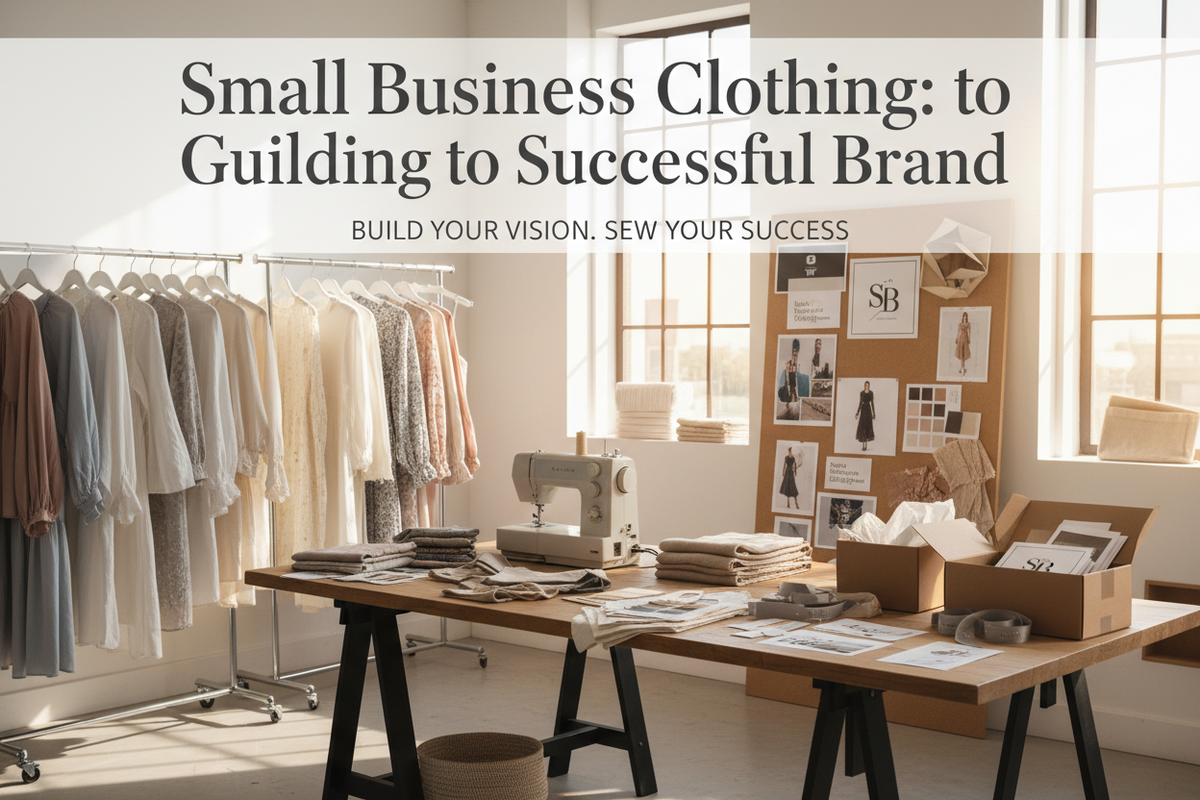
Small Business Clothing: A Complete Guide to Building a Successful Brand
Introduction
Every thriving venture begins with a story that resonates—and for a small business clothing brand, that story can be the difference between blending into the background and becoming a memorable presence. Imagine a designer in their garage, sketching ideas late into the night, driven by a vision that feels authentic and urgent. It’s that kind of passion that captures attention and turns casual observers into loyal customers.
In today’s overcrowded fashion marketplace, where giant players dominate visibility, independent labels face the dual challenges of making a unique mark while managing limited resources. Yet this dynamic environment also offers incredible opportunity. With the U.S. apparel market projected to reach roughly $365.7 billion in 2025, growing at an annual rate of over 2 percent, there is more room than ever for nimble, innovative players to carve out their niche source.
Consider the example of Red Ants Pants, a brand born in rural Montana that reimagined blue‑collar workwear for women. By centering its identity on authenticity, fit, and female empowerment, the company turned tough workwear into a movement—while also giving back through community-driven initiatives source. Stories like these show how values-based branding can resonate deeply and elevate a product into something far more meaningful.
Similarly, custom apparel provides small enterprises with powerful branding tools. Branded garments—whether worn by customers or staff—can act as mobile billboards, reinforce brand consistency, and even foster a sense of belonging. These aspects promote professionalism and visibility in cost-effective ways source.
As this article unfolds, it will guide you through everything from defining your brand’s identity and positioning it effectively, to launching with impactful products and refining your outreach. This introductory section sets the stage by showing that even underdogs with limited budgets can harness thoughtful storytelling, focused design, and real-world examples to establish a memorable small business clothing brand. The journey begins here.
Building Momentum Through Community, Data, and Strategic Growth
Moving seamlessly from sharpening your brand identity, this phase embraces the power of community engagement, smart use of data, and well-calibrated expansion to elevate your small business clothing brand.
Leverage Social Media and Influencer Engagement
By cultivating a genuine relationship with your audience, you can turn followers into loyal advocates. Consider how brands like White Fox tapped micro‑ and mid‑tier influencers to foster buzz and exclusivity, achieving nearly US$73.8 million in sales in 2024 through virality and a user‑generated content focusThe Guardian. This approach nurtures community and trust, especially potent for a lean startup.
Utilize Data‑Driven Product Development
Applying consumer insights in product decisions can drastically improve resonance—and profits. For example, Halara used algorithm-driven tools and social listening to track trends and feedback, enabling them to launch hits like a viral skort that garnered 1 billion views on TikTokWikipedia. You can adopt similar tactics—mapping search patterns or social sentiment—to refine design, fit, or messaging.
Scale Production with Intentional Infrastructure
Transitioning from small runs to larger-scale manufacturing poses hidden risks. When moving from producing 100 units to 1,000, many brands find that the challenge is less about sales and more about supply chain stability, margin protection, and reliable timelines Comfortspur. Preparing for this scale means securing dependable suppliers, clear quality checks, and buffer capacity before demand surges.
Channel Strategies: Digital First, Events Second
Since e‑commerce accounts for over 40% of apparel revenue globally and continues to surge, prioritizing a seamless online experience is criticalDigital Web Solutions. Complement this with pop‑up activations or collaborations that create limited‑time excitement—drawing lessons from successful boutique activations that bridge digital buzz into real‑world engagement.
Comparison Table: Community, Data, Production, Channels
| Strategy | Focus | Benefits | Example |
|---|---|---|---|
| Influencer + UGC | Social proof & reach | Boosts virality, builds trust | White Fox US$73.8M sales via micro‑influencers |
| Data‑Driven Design | Product-market fit | Improves relevance, reduces waste | Halara’s TikTok-driven trend targeting |
| Production Scaling | Operations & margin integrity | Ensures consistency, protects profit | Bridging 100 → 1,000 units intentionally |
| Digital & Experiential Channels | Sales funnel & brand visibility | Captures online demand and cultivates exclusivity | Online storefronts + pop‑up buzz |
Each of these elements plays a strategic role—cultivating community awareness, honing offerings through insight, ensuring operational resilience, and blending digital savvy with tangible experience. By weaving these tactics into your journey, you'll craft a sustainable foundation that propels your small business clothing brand forward with intention and momentum.

Identifying Your Unique Selling Proposition (USP)
In the competitive world of fashion, a small business clothing brand needs a distinct Unique Selling Proposition (USP) to stand out. A USP is what sets your brand apart from competitors, offering something unique that captures customer attention. For instance, Everlane focuses on "radical transparency," giving customers insight into pricing and production processes. This approach not only builds trust but also aligns with the values of conscious consumers.
Building a Brand Identity
Every small business clothing brand should aim to build a strong brand identity that resonates with its target audience. This involves creating a consistent look and feel across all touchpoints, from logos and packaging to social media presence. Brands like Patagonia emphasize sustainability, which is reflected in their eco-friendly products and corporate practices. Their commitment to environmental causes is a critical component of their brand identity, appealing to eco-conscious consumers.
Case Study: The Rise of Sustainable Fashion
Sustainable fashion has become an increasingly popular avenue for small business clothing brands. A case in point is Reformation, a brand committed to making sustainable, stylish clothing. Reformation integrates sustainability into every aspect of their business, from using eco-friendly fabrics to prioritizing fair labor practices. According to a report by the Business of Fashion, the global market for sustainable fashion continues to grow, projecting to reach $8.25 billion by 2023. This trend underscores the importance of aligning a brand's USP with consumer values to capture market share effectively.
Leveraging Resources for Growth
While creating a strong USP and brand identity are critical steps, leveraging the right resources can amplify growth. Many emerging designers and small business clothing brands use platforms like Tenino Ventures to access strategic advice and investment opportunities. Such platforms provide invaluable support, from funding to mentorship, helping brands refine their offerings and expand their market reach.
Ultimately, the success of a small business clothing brand relies on a clear understanding of its audience and a compelling USP that connects with consumers. By building a distinctive brand identity and employing strategic resources, brands can navigate the competitive fashion landscape more effectively.
Building Resilience Through Operational Excellence
As our discussion evolves from defining audience and brand identity, next comes developing operational strength—vital for long-term success. Today’s small clothing businesses must not just look appealing, but also function efficiently to stay competitive and sustainable.
Mastering Supply Chain and Logistics
Small brands often contend with rising costs of materials and unreliable delivery channels. Across the fashion industry, supply chain disruptions—from elevated raw material prices to global shipping delays—erode margins and customer trust inventorysource.com. To counter this, small-scale labels can localize production or opt for hybrid models combining domestic manufacture with responsive pop-up retail. This approach enhances control and agility while maintaining quality, exemplified by brands that integrate local workshops to reduce reliance on complex international logistics.
Addressing Fit and Return Challenges
Consumer frustration over sizing inconsistencies remains a major barrier, especially for e-commerce-dependent brands. Industry reports show that around 25% of fashion items are returned, often due to poor fit heuritech.com. Smaller brands can stand out by investing in AI-powered tools—like virtual fit assistants or personalized sizing recommendations—that reduce returns by up to 40%, improving profitability and customer satisfaction everlighten.com. These tech investments—once thought costly—are increasingly affordable and crucial for operational resilience.
Strategic Use of Digital and Physical Touchpoints
Many small brands rely heavily on digital channels, sometimes neglecting the opportunity of hybrid engagement. Leveraging both e-commerce and selective pop-up experiences fosters deeper connections and drives conversions efficiently. Case studies show that combining online reach with temporary physical activations builds brand visibility without the overhead of permanent retail mmsclothing.com. Thoughtfully designed offline events—including trunk shows or collaborations—reinforce storytelling and trust, encouraging repeat buyers and word-of-mouth marketing.
Building Operational Clarity and Data-Driven Practices
A common pitfall for small clothing ventures is the absence of strategic foundations and reliance on reactive decision-making digitalfashionacademy.com. Proactive brands leverage data—on customer behaviors, return patterns, and product performance—to refine inventory, optimize pricing, and develop targeted marketing. Using analytics helps identify promising bestsellers vs. underperforming styles, enabling smarter pre-order or limited-drop strategies that preserve cash flow and cultivate urgency. Over the long run, blending data-informed planning with agile operations turns lean structures into distinct competitive advantages.
Altogether, operational excellence in supply chain, sizing accuracy, hybrid engagement, and data orientation empowers small business clothing brand to thrive amid volatility—ensuring not only a compelling identity, but also a resilient, scalable presence in fashion’s evolving landscape.
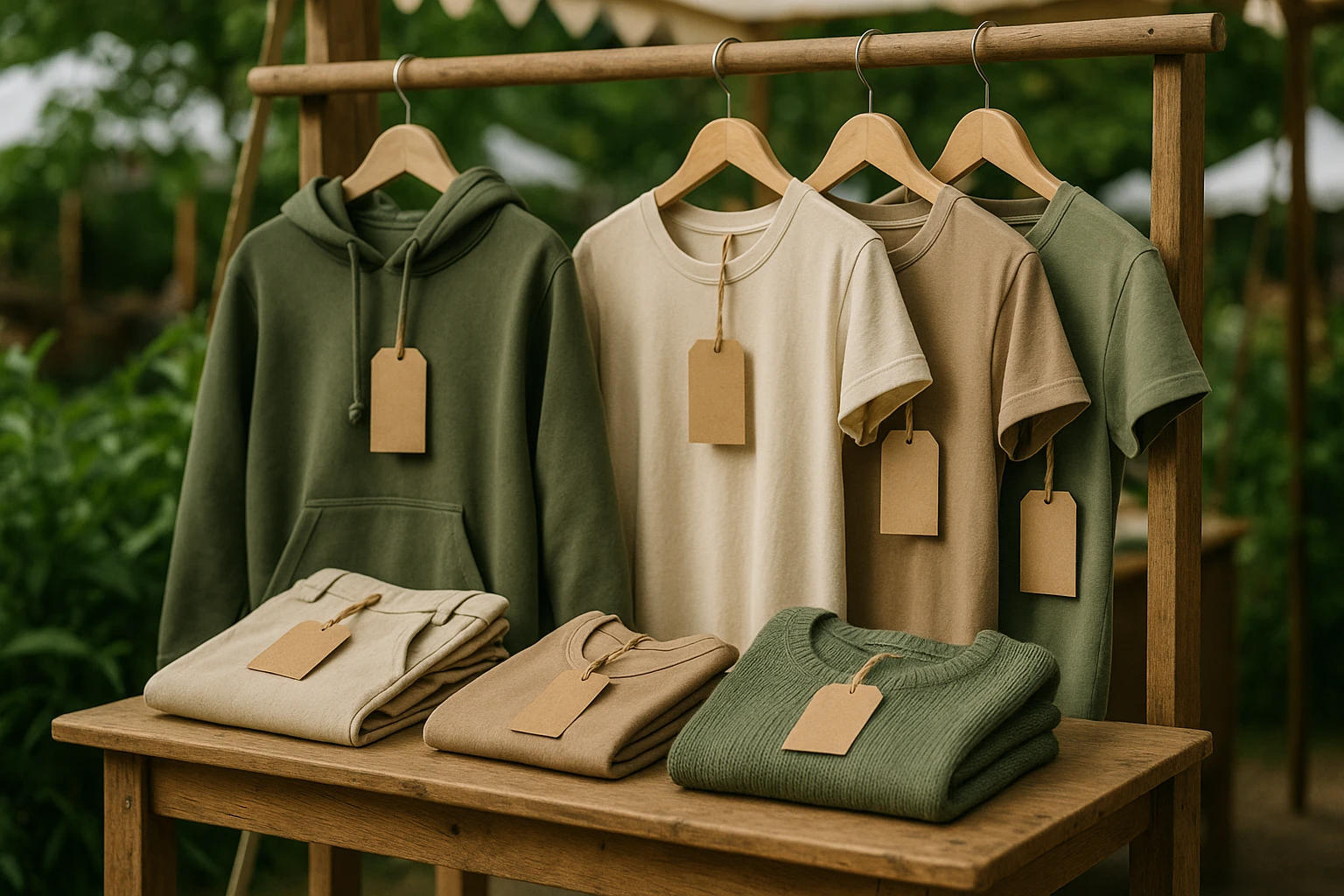
Conclusion: Navigating the Future of Your Small Business Clothing Brand
The journey of establishing a successful small business clothing brand is undoubtedly challenging, yet deeply rewarding. By embracing sustainable practices, leveraging digital marketing strategies, and cultivating a strong brand identity, businesses can navigate the competitive fashion landscape with confidence.
Key Takeaways
First, prioritize sustainability. The growing demand for eco-friendly products is more than just a passing trend. Aligning your brand with sustainable practices can enhance your reputation and attract a loyal customer base. According to a report by Nielsen, 66% of global consumers are willing to spend more on sustainable brands (Nielsen Report).
Second, the digital world offers a multitude of opportunities. Utilizing social media platforms effectively can increase visibility and engagement. Share your brand's story authentically and interact with your audience to build a community around your products. Implementing an e-commerce site enables direct sales and perhaps even a subscription model, providing steady revenue.
Actionable Insights
To solidify your market position, continually assess your competition and stay adaptive to fashion trends. Participating in local and online networks can provide valuable insights into consumer behavior and preferences. Furthermore, employ data analytics to track sales patterns and customer feedback, aiding in strategic decision-making.
An actionable strategy is to launch collaborative campaigns with influencers who align with your brand values. This approach not only enhances visibility but also fosters authenticity in your marketing efforts, reaching broader audiences efficiently.
Call to Action
Translate these insights into actionable plans for growth and success. Whether you're refining your product line or expanding your digital footprint, critical steps forward will define your brand's future. For expert guidance and additional resources tailored to your business, consider exploring Tenino Ventures. They offer comprehensive support to help small business clothing brands thrive in today's dynamic market.
Embarking on this journey requires dedication, innovation, and strategic planning. With these elements in place, your small business clothing brand can not only survive but flourish, leaving a lasting impact in the fashion industry.


Leave a comment
This site is protected by hCaptcha and the hCaptcha Privacy Policy and Terms of Service apply.