

Clothing for All: Building an Inclusive Fashion Future
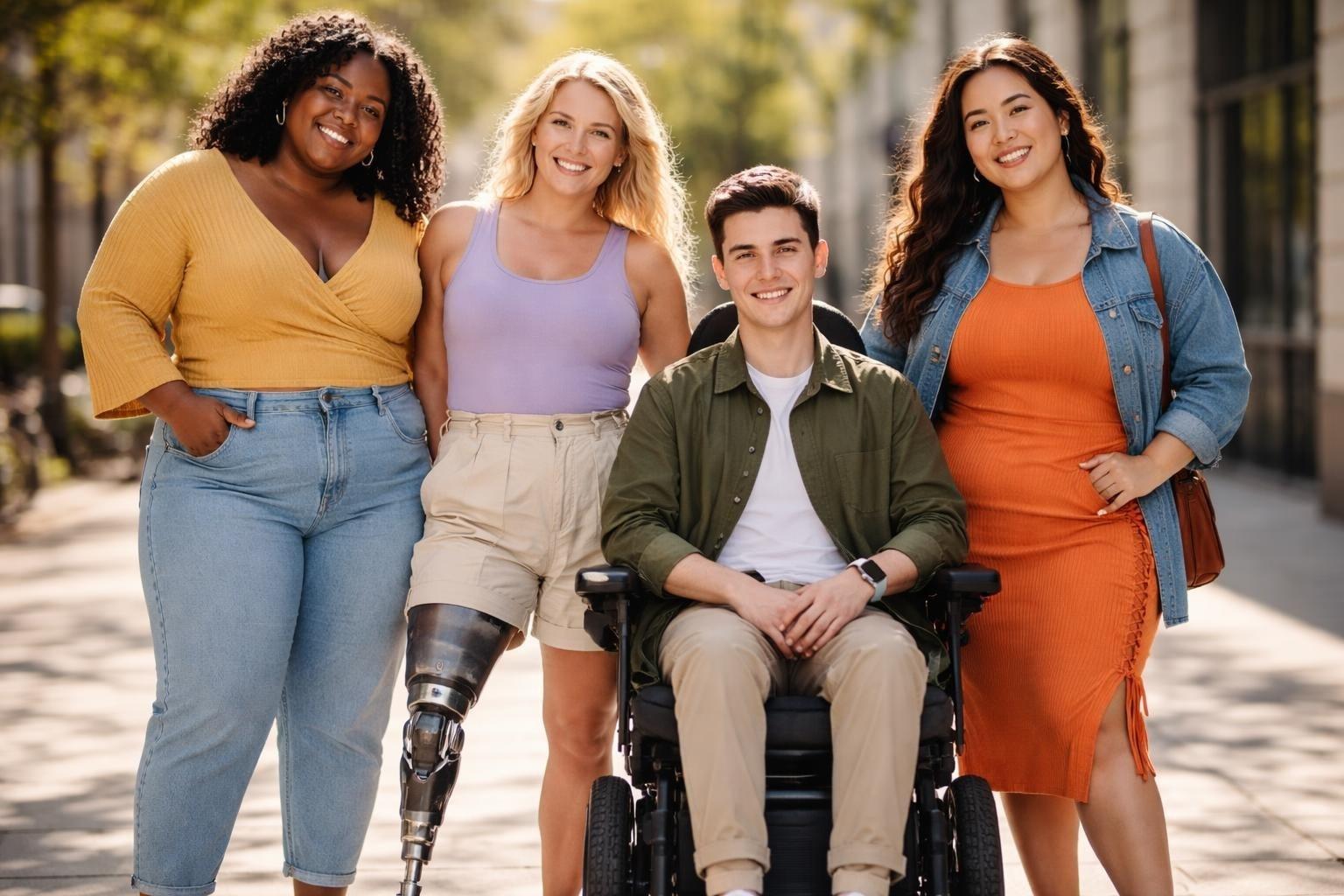
The fashion industry stands at a transformative crossroads in 2026, where the concept of clothing for all has evolved from a niche consideration to a fundamental expectation. Consumers today demand garments that celebrate diversity across body types, abilities, ages, and lifestyles. This shift represents more than a trend; it reflects a cultural awakening that recognizes fashion's power to affirm dignity, express identity, and serve functional needs for every individual. Retailers who embrace this inclusive approach discover not only expanded market opportunities but also the profound satisfaction of serving customers who have historically been overlooked by mainstream fashion.
The Evolution of Size Inclusivity in Fashion
The journey toward truly inclusive sizing has accelerated dramatically over the past decade. Where the fashion industry once relegated larger sizes to specialized "plus-size" sections, forward-thinking brands now integrate extended size ranges seamlessly into their core collections.
Breaking Traditional Size Barriers
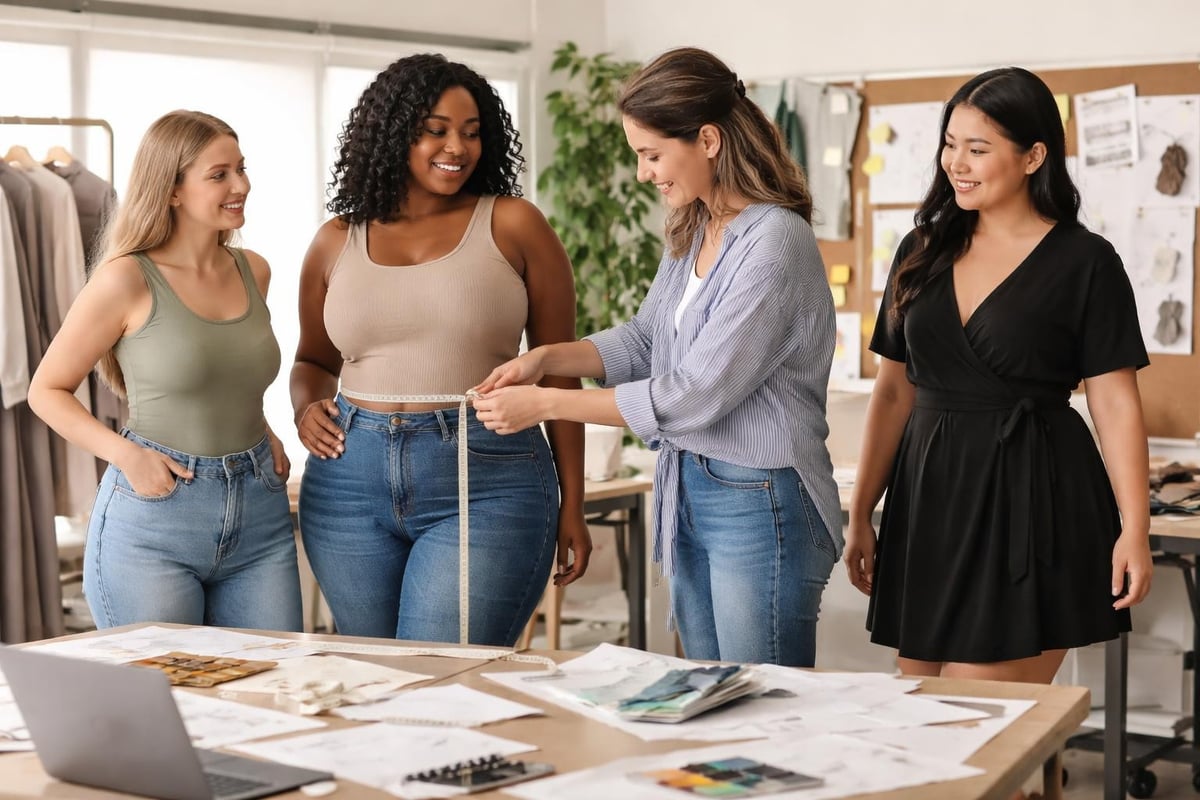
Modern fashion brands are embracing size inclusivity by recognizing that style aspirations exist across all body types. The traditional approach of offering limited sizes in trendy designs while relegating extended sizes to basic, uninspired options no longer satisfies today's conscious consumer. Clothing for all means delivering the same design excellence, fabric quality, and on-trend aesthetics regardless of the size label.
Progressive retailers approach sizing through several key strategies:
- Extended numerical ranges that go beyond outdated industry standards
- Proportional grading that accounts for how bodies actually change across sizes
- Diverse fit models representing real customer body types during development
- Transparent size charts with detailed measurements and fit guidance
This comprehensive approach ensures that the clothing for all philosophy translates into tangible products that fit well and make customers feel confident.
The Business Case for Inclusive Sizing
Market data from 2026 reveals compelling financial incentives for size inclusivity. The extended size market continues to outpace traditional size segments in growth rate, yet many retailers still fail to adequately serve this demographic. Brands that commit to clothing for all capture market share from competitors stuck in outdated models.
| Market Segment | Growth Rate (2024-2026) | Average Customer Loyalty | Purchase Frequency |
|---|---|---|---|
| Extended Sizes | 8.2% annually | 73% repeat customers | 4.6 times/year |
| Standard Sizes | 3.1% annually | 58% repeat customers | 3.8 times/year |
| Petite Sizes | 4.5% annually | 65% repeat customers | 4.1 times/year |
Customers who find brands that genuinely fit them demonstrate remarkable loyalty. They become vocal advocates who share their discoveries through social media and word-of-mouth recommendations.
Adaptive Clothing: Function Meets Fashion
Adaptive clothing represents another crucial dimension of the clothing for all movement. The adaptive clothing market is experiencing significant growth as designers recognize the need for garments that accommodate physical differences, medical devices, and mobility considerations without sacrificing style.
Design Features That Matter
Adaptive clothing incorporates thoughtful modifications that simplify dressing while maintaining aesthetic appeal. These innovations benefit people with disabilities, seniors experiencing age-related changes, and individuals recovering from injuries or surgeries.
Key adaptive features include:
- Magnetic closures replacing traditional buttons for easier one-handed fastening
- Side-opening seams providing wheelchair access without bunching fabric
- Adjustable hemlines accommodating leg braces or prosthetics
- Seated-position tailoring preventing uncomfortable riding or bunching
- Sensory-friendly fabrics eliminating tags, scratchy seams, and restrictive materials
Research on adaptive clothing consumers emphasizes that functional requirements must harmonize with aesthetic preferences. The clothing for all approach rejects the false choice between practicality and style.
Meeting Underserved Needs
Traditional retail has historically treated adaptive needs as medical necessities rather than fashion opportunities. This mindset created a market dominated by institutional-looking garments that prioritized function while ignoring personal expression. Contemporary clothing for all brands challenge this limitation by designing pieces that work seamlessly for diverse needs while reflecting current fashion trends.
For active individuals seeking versatile workout wear, adaptive features like flat seams, strategic stretch panels, and adjustable waistbands enhance comfort and performance. These same innovations benefit athletes managing injuries, people with sensory sensitivities, and anyone prioritizing movement-friendly clothing.
Technology Enabling Personal Fit
Technological advancement plays an increasingly vital role in making clothing for all a practical reality. Digital tools help customers find optimal fits while enabling brands to offer greater customization without traditional manufacturing constraints.
AI-Powered Fit Recommendations
Artificial intelligence is transforming how customers discover clothing that suits their unique measurements and preferences. Machine learning algorithms analyze body scan data, past purchase patterns, and style preferences to suggest items with high fit probability.
These systems benefit both customers and retailers by:
- Reducing return rates through more accurate size selection
- Identifying fit gaps in current product lines
- Recommending complementary pieces based on individual proportions
- Learning from customer feedback to improve future suggestions
The result is a more personalized shopping experience that acknowledges individual variation rather than forcing customers into arbitrary size categories.

Virtual Try-On and 3D Visualization
Advanced visualization tools allow customers to preview how garments will look on their specific body type before purchasing. This technology particularly benefits online shopping for clothing for all, where traditional size charts often fail to account for individual proportions.
| Technology | Primary Benefit | Adoption Rate (2026) | Impact on Returns |
|---|---|---|---|
| Body Scanning Apps | Accurate measurements | 42% of online shoppers | 28% reduction |
| AR Try-On | Visual fit preview | 31% of online shoppers | 22% reduction |
| Size Recommendation AI | Optimal size selection | 67% of major retailers | 35% reduction |
Cultural Representation and Marketing
Authentic representation extends beyond product development into how brands communicate with customers. The clothing for all philosophy demands that marketing imagery, brand messaging, and customer service reflect genuine commitment to inclusivity.
Diverse Visual Storytelling
Fashion brands are transforming their casting approaches to showcase clothing on diverse body types, ages, abilities, and ethnic backgrounds. This shift recognizes that customers make purchase decisions based partly on seeing people who resemble them wearing the products.
Effective visual representation includes:
- Models spanning the full size range offered
- Wheelchair users and people with visible disabilities
- Multiple ethnic backgrounds and skin tones
- Various age groups from young adults to seniors
- Different gender presentations and expressions
This diversity shouldn't appear as tokenism but rather as the natural reflection of actual customer communities. Brands committed to clothing for all ensure their imagery consistently demonstrates this principle across all marketing channels.
Language and Communication
The terminology brands use shapes customer perception and experience. Forward-thinking retailers have moved away from stigmatizing language like "plus-size" or "special needs" toward more neutral descriptors that focus on fit and function rather than deviation from an imaginary norm.
When discussing inspirational clothing lines, brands emphasize how designs empower wearers rather than frame them as problems requiring solutions. This linguistic shift reflects deeper philosophical changes in how the fashion industry conceptualizes its role.
Building Inclusive Product Lines
Retailers developing clothing for all collections must consider multiple dimensions simultaneously. Success requires integrated thinking about sizing, styling, functionality, and accessibility throughout the design and production process.
Cross-Category Considerations
Inclusive design principles apply across all product categories from everyday basics to specialty items. Whether developing graphic tees, activewear, or seasonal pieces, designers must account for diverse customer needs.
For instance, seasonal clothing collections benefit from:
- Layering-friendly cuts that work for temperature regulation
- Adjustable features accommodating seasonal weight fluctuations
- Sensory-appropriate fabrics for varying weather conditions
- Inclusive sizing across all seasonal trend pieces
Similarly, trendy clothing options should never exclude customers based on size, ability, or age. Fashion-forward designs deserve equal accessibility.
Material Selection and Comfort
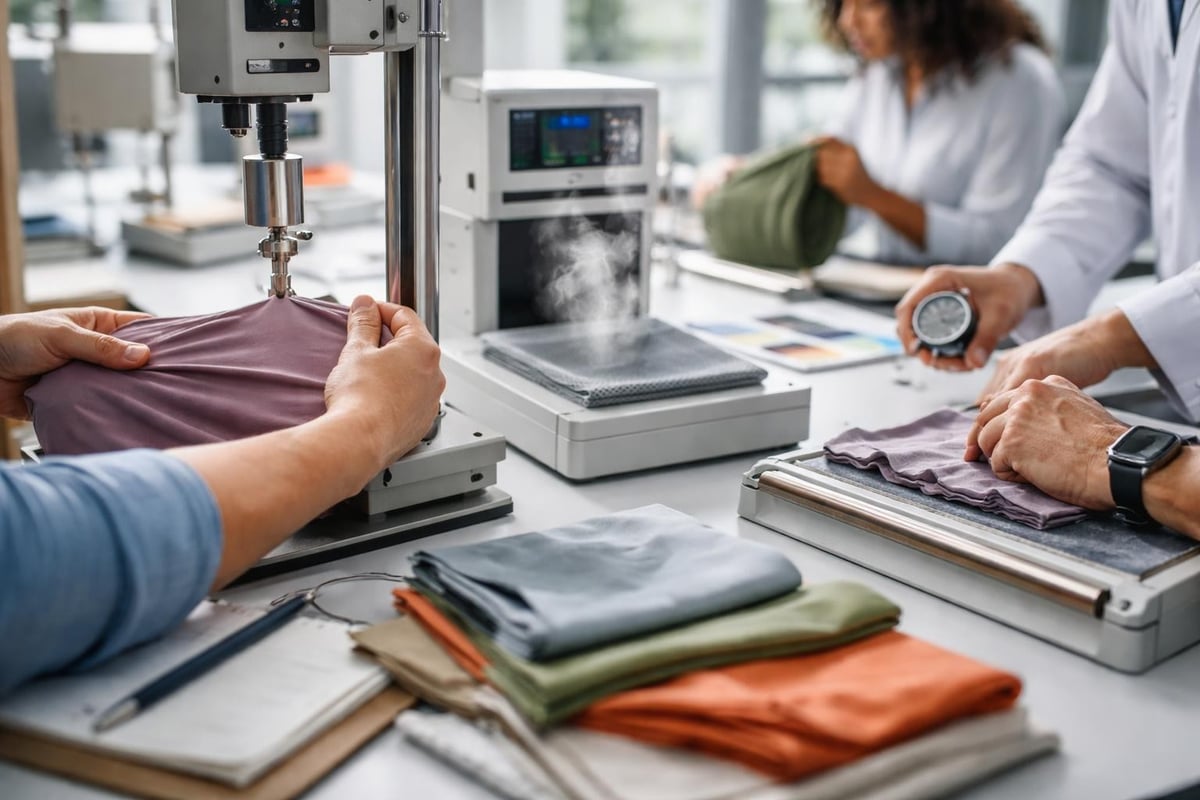
Fabric choices significantly impact how well clothing serves diverse needs. The clothing for all approach prioritizes materials that offer:
- Stretch and recovery for comfortable movement across activities
- Breathability for temperature regulation and sensory comfort
- Durability to withstand frequent washing and daily wear
- Softness that works for sensitive skin or sensory processing needs
- Easy care reducing physical demands of garment maintenance
These considerations benefit all customers while particularly serving those with specific functional requirements. A soft, stretchy fabric works beautifully for someone with sensory sensitivities and equally well for anyone prioritizing comfort.
The Role of Customer Feedback
Brands genuinely committed to clothing for all actively solicit and integrate customer insights into their development processes. The most valuable product innovations often emerge from listening to previously underserved communities about their specific challenges and preferences.
Collaborative Design Processes
Progressive retailers engage customers as co-creators rather than passive consumers. This collaboration takes multiple forms:
- Focus groups representing diverse customer segments during design phases
- Beta testing programs with community members providing detailed feedback
- Advisory boards including disability advocates and size inclusivity experts
- Social media engagement inviting customer suggestions and priorities
- Post-purchase surveys capturing detailed fit and function insights
This feedback loop ensures that clothing for all initiatives address real needs rather than designer assumptions about what different communities require.
Iterative Improvement
No brand perfects inclusive design immediately. The commitment to clothing for all requires ongoing refinement based on market response and evolving customer needs. Successful retailers view inclusivity as a continuous journey rather than a destination achieved through a single collection launch.
When customers share that certain workout clothes ride up during movement or that sleeve lengths don't accommodate their proportions, responsive brands treat this information as valuable product development data. Each iteration brings products closer to truly serving all customers effectively.
Luxury and Premium Inclusive Fashion
Size inclusivity is expanding into luxury fashion, challenging the outdated notion that premium design exists only for limited size ranges. High-end brands increasingly recognize that style sophistication and quality craftsmanship appeal to customers across all body types.
Elevating Quality Across Sizes
The clothing for all movement in premium segments emphasizes that every customer deserves access to:
- Exceptional fabric quality and construction
- Sophisticated design details and finishing
- On-trend silhouettes and fashion-forward styling
- Luxury presentation and shopping experiences
This democratization of quality challenges brands to maintain consistent standards across their entire size range rather than reserving premium features for standard sizes only.
Price Equity Considerations
Historically, extended size garments often carried price premiums despite minimal material cost differences. Clothing for all advocates push for pricing equity that reflects actual production costs rather than market segmentation strategies. Progressive brands embrace transparent pricing that doesn't penalize customers based on size needs.
Implementing Inclusive Practices
Retailers committed to clothing for all must embed inclusive thinking throughout their operations, from product development through customer service interactions.
Operational Checklist for Inclusivity
Organizations can assess their commitment through systematic evaluation:
| Operational Area | Inclusive Practice | Implementation Level |
|---|---|---|
| Product Development | Diverse fit models and size range | Foundational |
| Merchandising | Integrated presentation, not segregated sections | Intermediate |
| Marketing | Representative imagery across campaigns | Foundational |
| E-commerce | Detailed size information and fit guidance | Foundational |
| Customer Service | Training on inclusive language and assistance | Intermediate |
| Physical Retail | Accessible fitting rooms and store layout | Advanced |
Staff Training and Culture
Employee education ensures that inclusive values translate into daily interactions. Training programs should address:
- Understanding diverse customer needs and experiences
- Using respectful, inclusive language
- Providing size and fit assistance without judgment
- Recognizing unconscious bias in retail interactions
- Creating welcoming environments for all customers
When every team member understands their role in supporting the clothing for all mission, brands create consistently positive experiences that build lasting customer relationships.
Emerging Trends and Future Directions
The clothing for all movement continues evolving as new technologies emerge and cultural awareness deepens. The fashion industry's inclusive transformation accelerates as brands recognize both the moral imperative and business opportunity of serving all customers well.
Sustainability Meets Inclusivity
Forward-thinking brands integrate environmental responsibility with social inclusivity. Sustainable clothing for all initiatives consider:
- Durable construction reducing replacement frequency across all sizes
- Made-to-order models minimizing waste while offering customization
- Recycling programs accepting garments across size ranges
- Transparent supply chains ensuring ethical production for all products
These combined priorities recognize that true sustainability must include social equity alongside environmental stewardship.
Gender-Inclusive Design
Beyond size and ability considerations, clothing for all increasingly addresses gender inclusivity. Brands develop styles that work across gender expressions, with fit systems that accommodate diverse body types regardless of gender identity.
This approach expands options for transgender and non-binary customers while also serving cisgender individuals seeking styles outside traditional gender categories. The result is greater creative freedom and personal expression for all shoppers.
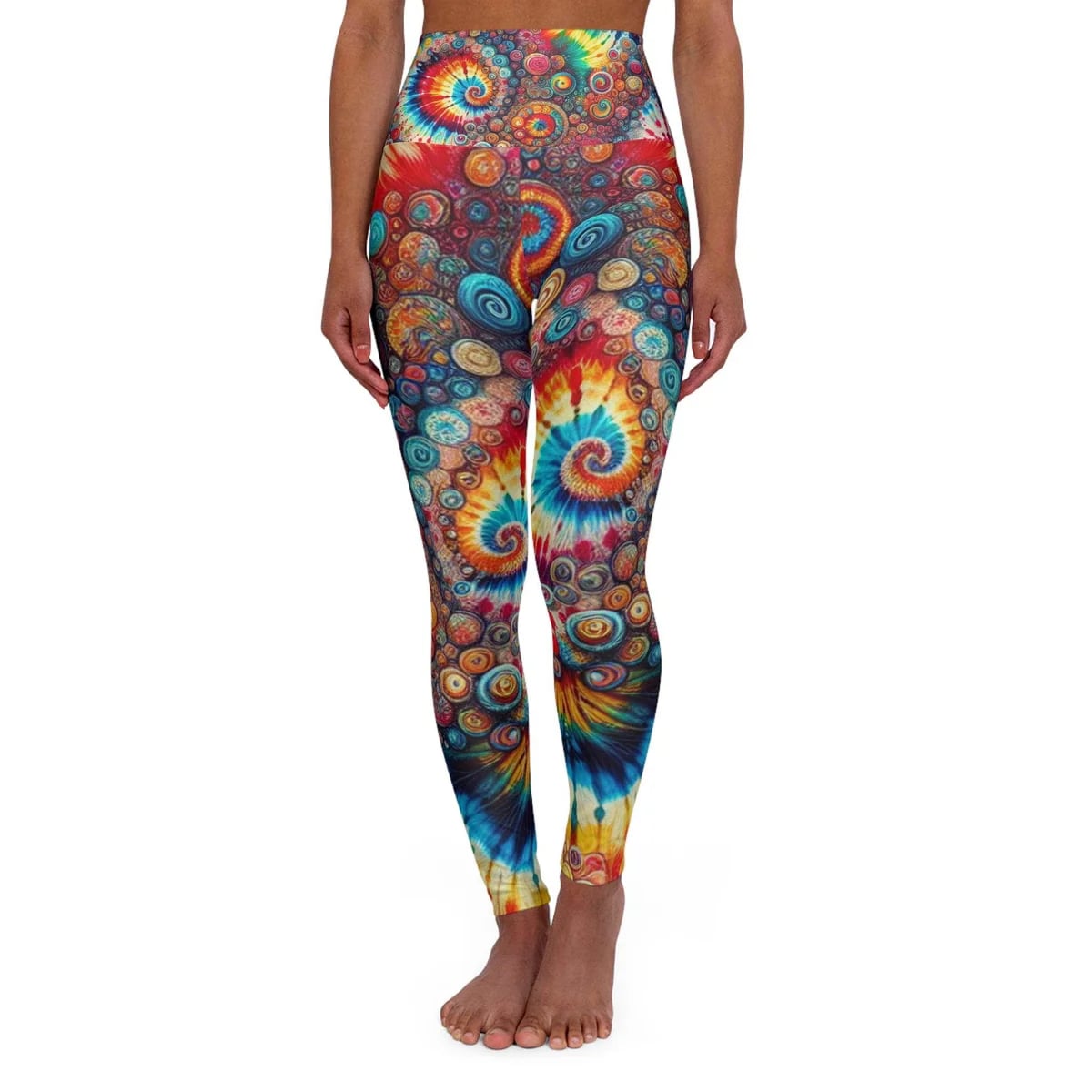
For instance, versatile pieces like the Rainbow Tie-Dye Leggings demonstrate how bold patterns and comfortable fits appeal across traditional gender boundaries. The stretchy, moisture-wicking fabric provides flexibility for every body type while the vibrant design reflects individual style rather than conforming to gendered fashion expectations.
Customization at Scale
Advancing manufacturing technology enables greater personalization without traditional custom tailoring costs. Digital printing, automated cutting, and flexible production systems allow brands to offer:
- Custom length adjustments for pants and sleeves
- Personalized color and pattern combinations
- Individual fit modifications based on specific measurements
- Adaptive feature selection within standard designs
These capabilities make clothing for all increasingly literal as customers access garments tailored to their exact specifications.
Community Building and Advocacy
Brands authentically committed to inclusive fashion recognize their role extends beyond product sales into community support and industry advocacy. This broader engagement demonstrates genuine values rather than performative marketing.
Supporting Inclusive Fashion Initiatives
Leading retailers partner with organizations advancing fashion accessibility:
- Disability advocacy groups providing design consultation
- Size acceptance movements promoting body positivity
- Fashion education programs teaching inclusive design principles
- Research initiatives documenting underserved market needs
These partnerships generate mutual benefits while advancing the clothing for all mission across the industry.
Creating Customer Communities
Brands build connections among customers who share the experience of finding clothing that finally fits their needs. Online communities, social media engagement, and customer events foster belonging while generating valuable feedback and user-generated content.
When customers see others celebrating their purchases and sharing styling ideas, they gain inspiration while feeling part of something larger than a transaction. This community dimension strengthens brand loyalty and attracts new customers seeking inclusive retailers.
Practical Implementation for Online Retailers
Digital commerce presents unique opportunities and challenges for clothing for all initiatives. Online retailers can serve diverse customers effectively through strategic approaches to presentation, information, and service.
Enhanced Product Information
Comprehensive details help customers make confident purchase decisions:
- Multiple model sizes showing how garments fit different body types
- Detailed measurement charts including body measurements, not just garment dimensions
- Fit notes explaining whether items run true to size, large, or small
- Fabric composition and stretch information
- Care instructions and durability expectations
This transparency reduces uncertainty that often prevents purchases, particularly for customers whose needs haven't been well-served by traditional retail.
Virtual Shopping Assistance
Technology-enabled support helps customers navigate options:
- Live chat with trained style consultants
- AI-powered recommendation engines considering individual needs
- Virtual appointment scheduling for personalized guidance
- Video consultations for complex fit questions
These services replicate the best aspects of in-person shopping while maintaining online convenience.
Accessible Digital Experiences
Website and app design should accommodate diverse abilities:
- Screen reader compatibility for visually impaired customers
- Keyboard navigation for those unable to use mice
- Adjustable text sizes and high-contrast options
- Clear, simple language in product descriptions
- Alternative text for all images
Digital accessibility ensures that clothing for all extends to the shopping experience itself, not just the products offered.
Measuring Success and Impact
Retailers committed to inclusive fashion should establish metrics tracking progress toward clothing for all goals. Quantitative and qualitative measures provide accountability while identifying improvement opportunities.
Key Performance Indicators
| Metric Category | Specific Measure | Target Benchmark |
|---|---|---|
| Product Range | Percentage of styles in extended sizes | 100% parity |
| Customer Satisfaction | Fit satisfaction scores by size range | >85% across all sizes |
| Market Representation | Customer base diversity vs. population | Proportional representation |
| Return Rates | Size-related returns by category | <15% variance between sizes |
Customer Voice and Sentiment
Beyond numbers, qualitative feedback reveals how well brands serve diverse needs. Regular analysis of customer reviews, social media mentions, and direct feedback identifies patterns and priorities. When customers consistently praise finding clothing that works for their specific needs, brands know their clothing for all efforts succeed.
The transformation toward truly inclusive fashion represents one of retail's most significant opportunities in 2026, combining ethical responsibility with compelling business advantages. By embracing clothing for all through expanded sizing, adaptive features, representative marketing, and accessible experiences, retailers build deeper customer relationships while serving previously overlooked communities. TeninoVentures demonstrates this commitment through diverse product offerings spanning graphic tees, workout wear, and seasonal collections designed to celebrate individual style across all body types and needs, inviting every customer to discover pieces that reflect their unique identity and preferences.
Leave a comment
This site is protected by hCaptcha and the hCaptcha Privacy Policy and Terms of Service apply.