
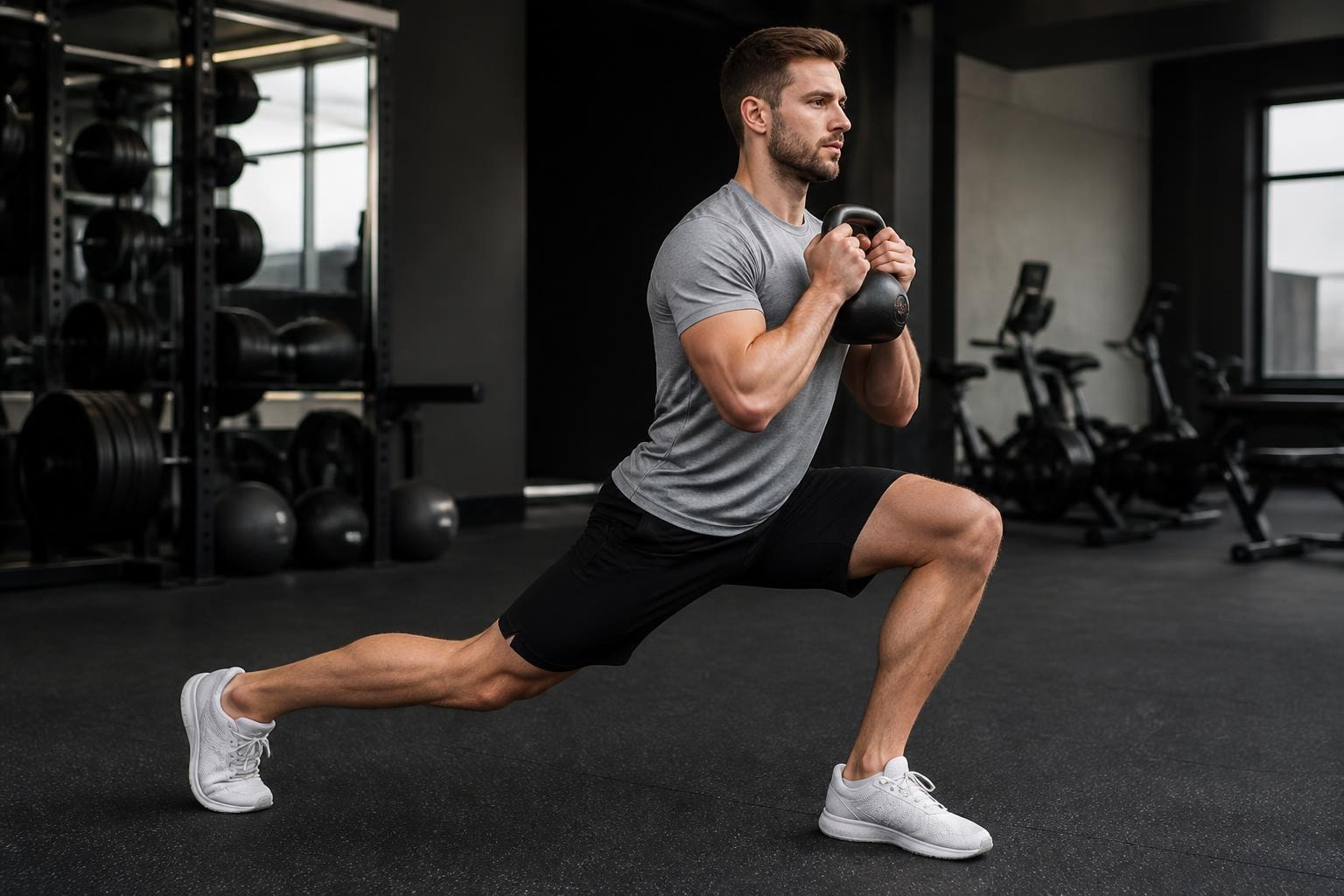
Shorts for Fitness: Your Complete Guide for 2026
Choosing the right shorts for fitness can transform your workout experience, impacting everything from comfort and performance to recovery and confidence. With athletic apparel technology advancing rapidly in 2026, understanding the nuances of workout shorts has become more important than ever. Whether you're running marathons, lifting weights, practicing yoga, or engaging in high-intensity interval training, the shorts you wear play a critical role in your athletic success. This comprehensive guide explores everything you need to know about selecting, wearing, and maintaining the perfect fitness shorts for your specific needs.
Understanding the Core Benefits of Quality Fitness Shorts
The right shorts for fitness deliver measurable advantages that extend beyond simple comfort. Modern athletic shorts incorporate advanced fabric technologies designed to wick moisture away from your skin, regulate body temperature, and provide strategic compression where needed most.
Performance Enhancement Through Design
Quality fitness shorts feature construction methods that prioritize movement efficiency. Flat-lock seams reduce chafing during repetitive motions, while ergonomic panel placement accommodates natural body mechanics. According to research on workout attire, appropriate exercise clothing can enhance performance by reducing distractions and supporting proper movement patterns.
Key performance features include:
- Four-way stretch fabrics that move with your body
- Moisture-wicking technology that keeps skin dry
- Strategic ventilation panels in high-heat zones
- Anti-odor treatments that maintain freshness
- Reflective elements for low-light visibility
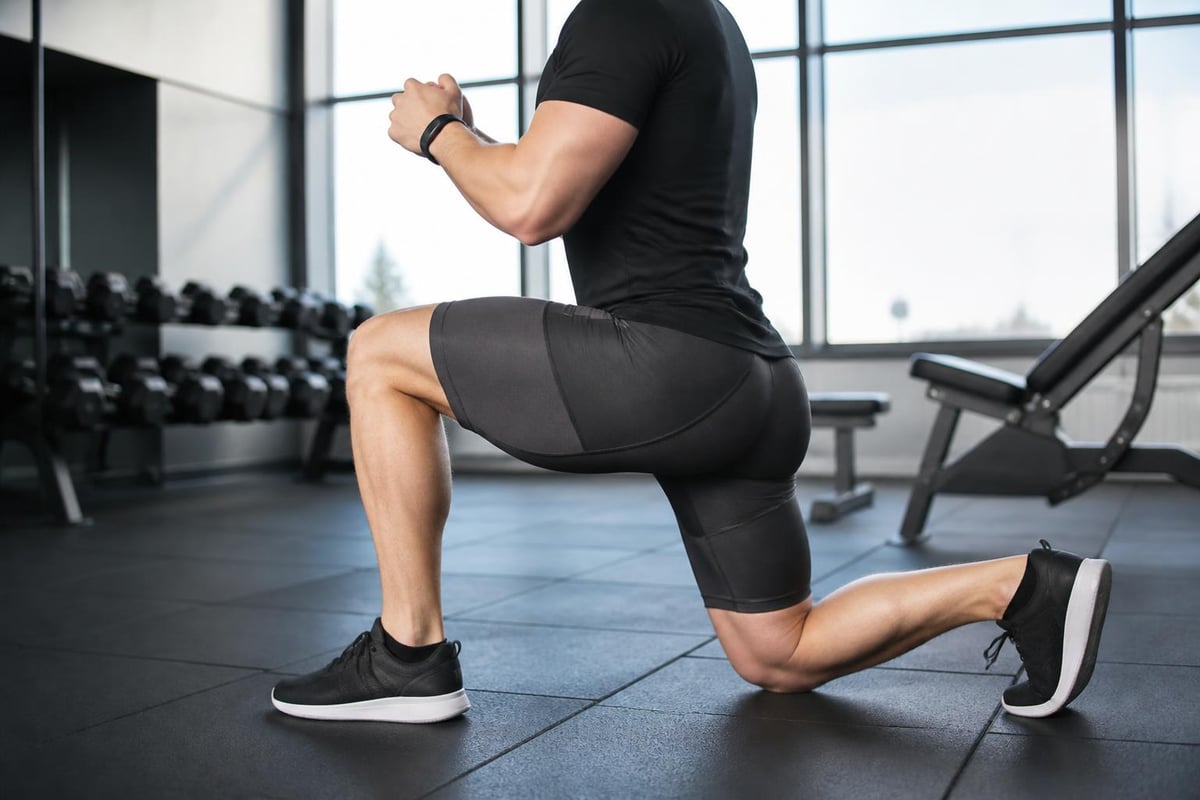
Material Science in Modern Athletic Shorts
The fabrics used in shorts for fitness have evolved dramatically over the past decade. Synthetic blends dominate the market, combining polyester, spandex, and nylon in precise ratios to achieve specific performance characteristics.
| Fabric Type | Primary Benefits | Best Uses | Moisture Management |
|---|---|---|---|
| Polyester Blend | Durability, quick-dry | Running, HIIT | Excellent |
| Nylon-Spandex | Compression, flexibility | Cycling, yoga | Very Good |
| Cotton-Poly Mix | Softness, breathability | Light training | Good |
| Compression Fabric | Muscle support, recovery | Intense workouts | Excellent |
Natural fibers still hold value in specific contexts. Bamboo-derived fabrics offer antimicrobial properties and exceptional softness, while merino wool blends provide temperature regulation for outdoor activities. However, pure cotton has largely fallen out of favor for intense workouts due to moisture retention issues.
Compression Shorts and Their Specific Applications
Compression technology represents one of the most significant innovations in fitness apparel. Studies on compression wear demonstrate measurable benefits including reduced muscle vibration, improved blood circulation, and faster recovery times.
The Science Behind Compression Technology
Compression shorts for fitness apply graduated pressure to muscle groups, with tightness decreasing from the lower extremities upward. This design promotes venous return, helping oxygenated blood reach working muscles more efficiently while removing metabolic waste products.
Athletes report several tangible benefits:
- Reduced muscle fatigue during extended training sessions
- Decreased delayed onset muscle soreness (DOMS) post-workout
- Enhanced proprioception leading to better movement awareness
- Lower injury risk through improved muscle stability
- Faster recovery between training sessions
Nike's comprehensive guide for runners explains how compression shorts specifically benefit running mechanics by reducing impact forces and supporting hip flexor engagement throughout the gait cycle.
Choosing the Right Compression Level
Not all compression is equal. Compression shorts typically range from light (15-20 mmHg) to firm (20-30 mmHg), with athletic-grade compression falling in the moderate range. The appropriate level depends on your training intensity, recovery needs, and personal comfort preferences.
Light compression suits everyday workouts and provides a supportive feel without restriction. Moderate compression benefits high-intensity training and competitive athletics. Firm compression primarily serves recovery purposes and should be worn post-workout rather than during exercise.
Length and Style Considerations for Different Activities
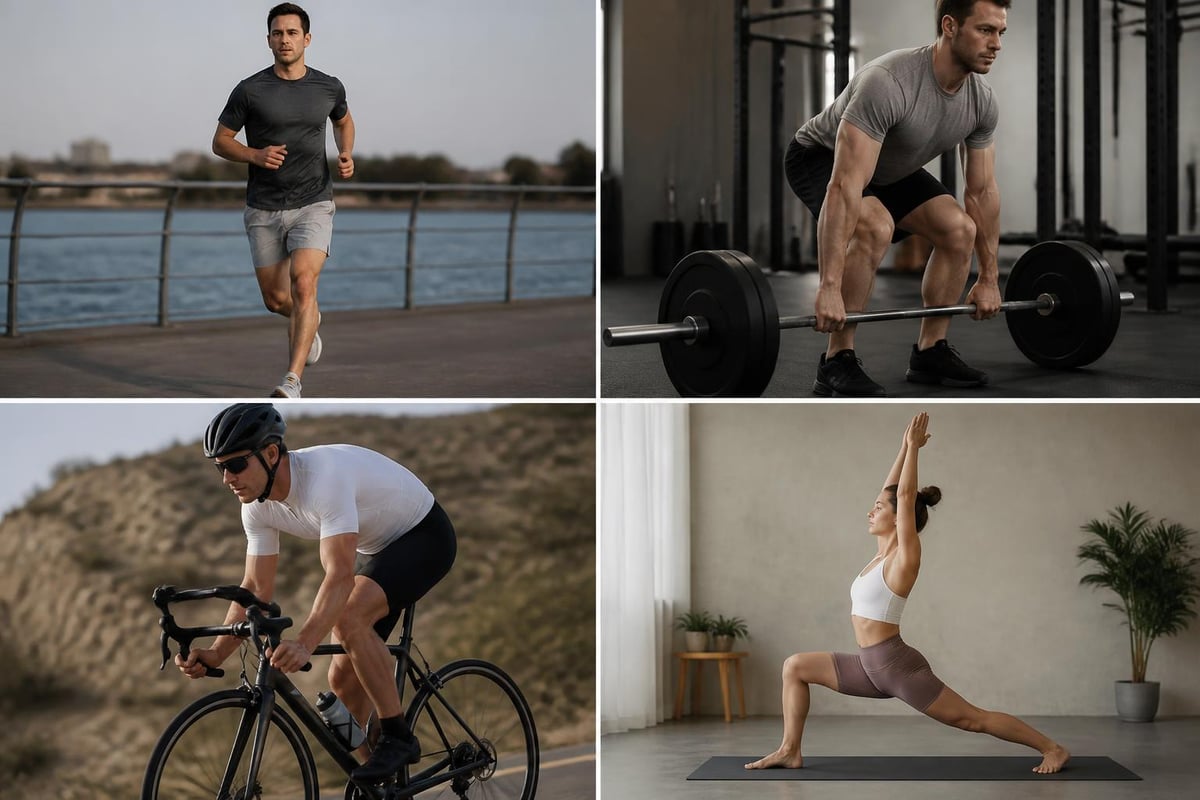
The ideal length for shorts for fitness varies dramatically based on your chosen activity. Understanding these distinctions helps optimize both performance and comfort during specific exercises.
Activity-Specific Length Guidelines
Running shorts typically measure 5-7 inches in inseam, prioritizing unrestricted leg movement and minimal fabric weight. Split hems further enhance stride freedom. Expert recommendations from Men's Health emphasize that runners should prioritize lighter fabrics and shorter lengths to prevent chafing and overheating.
Training and gym shorts generally feature 7-9 inch inseams, offering versatility across multiple exercise types. This moderate length suits weightlifting, CrossFit, and circuit training where you need coverage without restriction.
Cycling shorts demand specialized design with 9-11 inch inseams and integrated chamois padding. The longer length prevents ride-up while the padding reduces saddle discomfort during extended rides. Professional reviews of cycling shorts highlight how proper length contributes significantly to riding comfort and performance.
Yoga and flexibility training benefits from fitted shorts in the 4-6 inch range or longer compression styles. The key is ensuring fabric stays in place during inversions and complex poses.
Essential Features to Evaluate When Shopping
Beyond basic construction, several features distinguish exceptional shorts for fitness from mediocre options. Evaluating these elements ensures your investment delivers long-term value and performance.
Waistband Construction and Fit Technology
The waistband represents the foundation of short comfort and security. Modern designs include:
- Elastic waistbands with drawstrings offering adjustable security
- Internal drawcords that eliminate external bulk
- Wide elastic bands distributing pressure evenly
- Contoured waistbands following natural body curves
- Silicone gripper strips preventing ride-up during movement
A well-designed waistband stays put without creating pressure points or restricting breathing. Test the waistband by performing deep squats and overhead reaches to ensure it maintains position throughout your full range of motion.
Pocket Placement and Storage Solutions
Modern fitness shorts address the universal challenge of carrying essentials during workouts. Strategic pocket placement includes:
- Zippered rear pockets for phones and keys
- Side drop-in pockets with secure closures
- Internal mesh pockets for cards or cash
- Compression-fit phone pockets on thighs
- Hidden waistband pockets for small valuables
The best workout shorts balance storage capacity with a streamlined profile, ensuring pockets don't add unwanted bulk or shift during intense movement.
Seasonal Considerations and Climate Adaptation
Your shorts for fitness should adapt to seasonal temperature variations and climate conditions. Understanding how different fabrics and designs respond to environmental factors optimizes year-round performance.
Summer Workout Shorts Requirements
Hot weather training demands maximum breathability and moisture management. Breathable shorts designed for summer incorporate mesh panels, lightweight fabrics, and strategic ventilation to combat heat buildup.
Summer-specific features include:
- Perforated fabrics allowing air circulation
- Lighter color options reflecting solar radiation
- Shorter inseams maximizing exposed skin for cooling
- Advanced moisture-wicking treating preventing sweat accumulation
- UPF-rated fabrics offering sun protection
Winter and Cold Weather Adaptations
Cold-weather training requires a layered approach. Base layer compression shorts worn under longer training shorts provide warmth while maintaining mobility. Thermal fabrics with brushed interiors trap body heat without adding excessive bulk.
Consider these winter modifications:
- Thermal compression layers as base protection
- Longer inseams providing additional coverage
- Wind-resistant outer fabrics blocking cold air penetration
- Moisture management preventing sweat-chill
- Reflective details compensating for reduced daylight hours
Care and Maintenance for Longevity
Proper maintenance extends the functional lifespan of your shorts for fitness while preserving their performance characteristics. Modern technical fabrics require specific care protocols to maintain their advanced properties.
Washing Best Practices
Frequency matters: Wash fitness shorts after every use to prevent bacteria growth and odor development. Allowing sweat to dry in the fabric degrades moisture-wicking treatments and encourages bacterial colonization.
Temperature control: Use cold water (below 30°C/86°F) to preserve elastic fibers and prevent shrinkage. Hot water breaks down spandex and elastane components, reducing compression effectiveness and causing premature wear.
Detergent selection: Choose sport-specific detergents formulated for technical fabrics. Avoid fabric softeners, which coat fibers and inhibit moisture-wicking capabilities. Sport detergents often include enzymes that specifically target bacteria causing athletic odors.
Machine settings: Select gentle cycles with minimal agitation. Turn compression shorts inside-out to protect exterior treatments and reduce friction wear. Use mesh laundry bags for additional protection against stretching and snagging.
Drying and Storage Techniques
Air drying preserves fabric integrity far better than machine drying. Hang shorts in well-ventilated areas away from direct sunlight, which can fade colors and degrade synthetic fibers. Never use high heat, as temperatures above 60°C (140°F) permanently damage elastic components.
| Care Aspect | Recommended Practice | What to Avoid |
|---|---|---|
| Washing Frequency | After each use | Wearing multiple times |
| Water Temperature | Cold (below 30°C) | Hot water |
| Detergent | Sport-specific formula | Fabric softener |
| Drying Method | Air dry, shade | High heat dryer |
| Storage | Flat or folded | Compressed/cramped |
Store clean, dry shorts flat or loosely folded in drawers with adequate space. Avoid hanging by elastic waistbands for extended periods, as this causes stretching and deformation.
Investing in Quality Over Quantity
While budget considerations matter, investing in quality shorts for fitness delivers superior value over time. Premium shorts typically feature better construction, advanced fabrics, and thoughtful design details that enhance both performance and durability.
Cost-Benefit Analysis of Premium Options
High-quality fitness shorts often cost two to three times more than budget alternatives, but they typically last five to ten times longer. Expert testing by Forbes demonstrates that premium shorts maintain their compression, moisture-wicking, and structural integrity through hundreds of wash cycles, while economy options degrade rapidly.
Value indicators include:
- Reinforced stitching at stress points
- Premium fabric blends with higher spandex content
- Flatlock seams throughout construction
- Branded moisture-wicking treatments with proven efficacy
- Comprehensive warranties covering manufacturing defects
Building a Functional Rotation
Rather than purchasing numerous inexpensive pairs, build a curated collection of quality shorts matched to your specific activities. A functional rotation for active individuals includes:
- Two pairs of primary training shorts for your main activity
- One pair of compression shorts for recovery and intense sessions
- One pair of versatile gym shorts for varied workouts
- One pair of weather-specific shorts (summer mesh or winter thermal)
This approach ensures you always have clean, appropriate shorts available while allowing adequate drying time between uses. For those focused on specific disciplines, building around that activity makes sense. Runners might prioritize multiple running-specific pairs, while CrossFit enthusiasts benefit from versatile training shorts.
Style Integration and Confidence Building
While performance drives shorts for fitness selection, style considerations impact workout motivation and confidence. Modern athletic wear successfully merges technical performance with aesthetic appeal, recognizing that looking good contributes to feeling good during exercise.
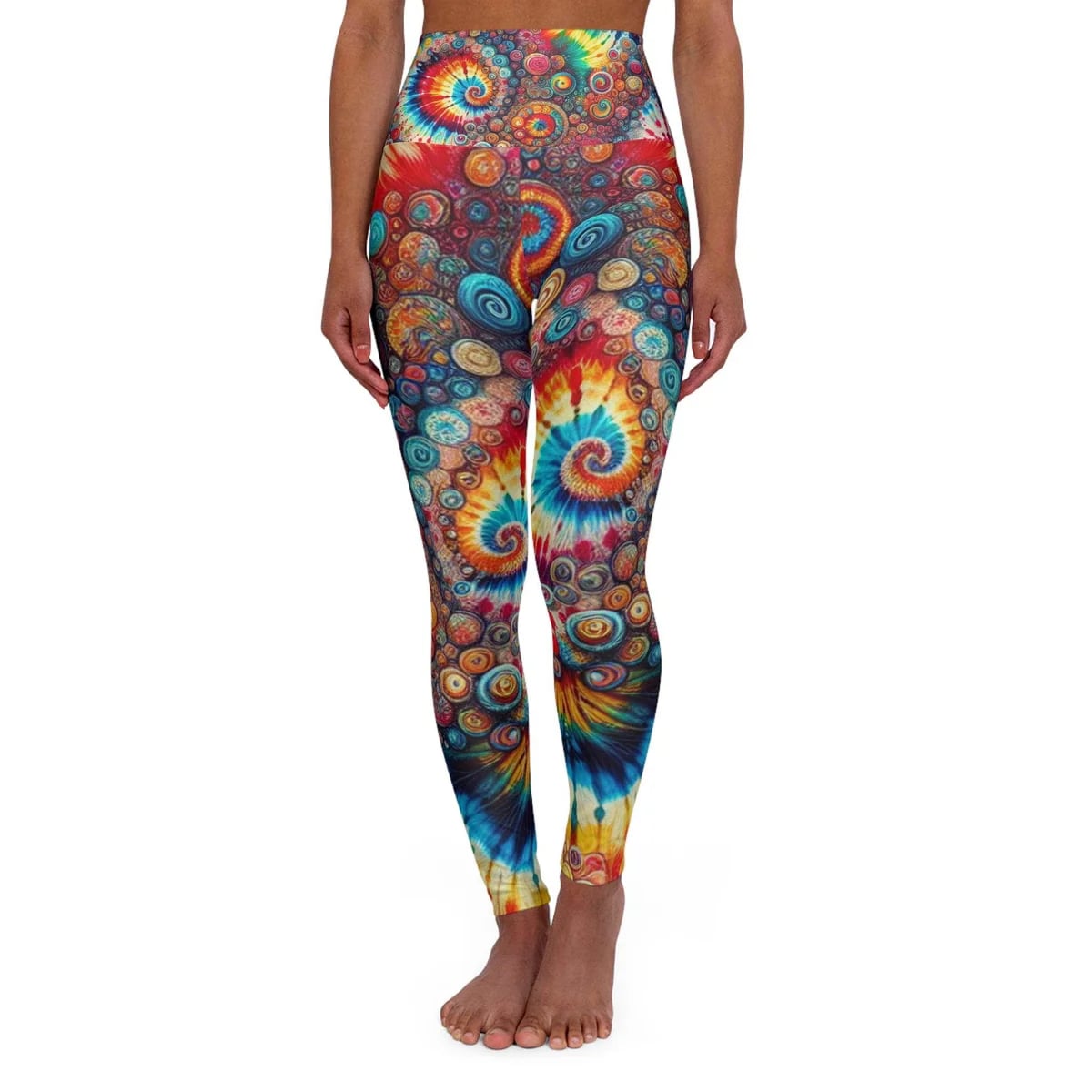
For those seeking colorful, eye-catching options that maintain performance standards, consider exploring vibrant athletic wear that combines style with functionality. The Rainbow Tie-Dye Leggings exemplify how bold patterns and bright colors can energize your workout wardrobe while delivering the moisture-wicking and flexibility needed for intense training sessions.
Coordinating Athletic Wardrobes
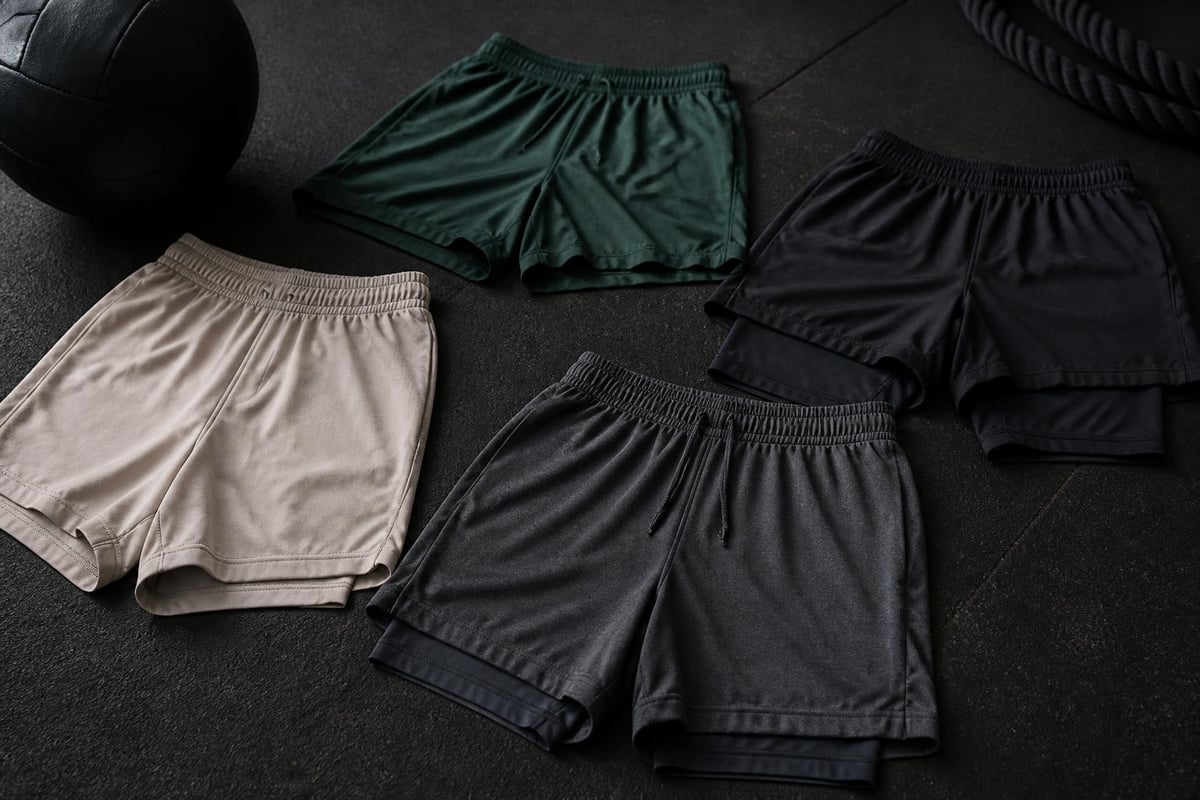
Creating cohesive workout outfits enhances gym confidence and simplifies daily decisions. Build around neutral-colored shorts in black, navy, or gray, which pair effortlessly with colorful or patterned tops. Alternatively, make shorts the statement piece with bold colors or patterns while keeping tops simple.
Consider the psychological impact of your workout attire. Research consistently shows that athletes who feel confident in their appearance demonstrate improved performance metrics and greater training consistency. Your shorts should make you feel prepared, capable, and ready to tackle challenging workouts.
Specialized Shorts for Unique Training Needs
Certain training disciplines require specialized shorts for fitness that address specific biomechanical or environmental demands. Understanding these niche categories helps athletes optimize their equipment for specialized pursuits.
Multi-Sport and Triathlon Shorts
Triathlon shorts represent the ultimate in versatility, designed to perform across swimming, cycling, and running segments without changes. These shorts feature minimal padding suitable for cycling without creating drag during swimming or discomfort while running. Quick-drying fabrics and seamless construction prevent chafing across all three disciplines.
Martial Arts and Combat Sports Shorts
Combat sports demand exceptional durability and unrestricted movement. MMA shorts feature reinforced stitching, stretch panels for high kicks, and shorter inseams preventing opponent grabs. The broader leg openings accommodate extreme range-of-motion requirements while maintaining security during grappling.
CrossFit and Functional Fitness Options
CrossFit's varied movement demands require shorts balancing multiple characteristics. Look for moderate lengths (7-9 inches) that won't restrict Olympic lifting positions, durable fabrics resisting box jump abrasion, and secure pockets for gym timer storage. GQ's workout shorts analysis emphasizes durability as paramount for functional fitness, where equipment contact and varied surfaces accelerate wear.
Emerging Technologies and Future Trends
The fitness apparel industry continues innovating, with several emerging technologies poised to transform shorts for fitness in coming years. Understanding these developments helps forward-thinking athletes make informed purchasing decisions.
Smart Fabric Integration
Conductive fibers woven into athletic fabrics now monitor biometric data including muscle activation patterns, hydration levels, and fatigue indicators. While currently expensive, these smart shorts provide real-time feedback helping athletes optimize training intensity and prevent overuse injuries.
Sustainable Material Development
Environmental concerns drive innovation in sustainable athletic fabrics. Recycled polyester from ocean plastics, biodegradable synthetic alternatives, and closed-loop manufacturing processes increasingly appear in premium shorts. These eco-friendly options deliver performance matching traditional synthetics while reducing environmental impact.
Customization and Personalization
Advanced manufacturing techniques enable unprecedented customization. Some brands now offer made-to-measure shorts with personalized compression mapping, custom pocket configurations, and individual fabric selections. While premium-priced, these bespoke options perfectly match individual anatomy and training requirements.
Matching Shorts to Your Fitness Journey
Your fitness level and goals should influence shorts selection. Beginners benefit from versatile, forgiving styles that accommodate evolving training preferences. Advanced athletes require specialized options supporting specific performance objectives.
Progressive Investment Strategy
Beginning fitness journey: Start with one or two pairs of versatile training shorts from the workout clothes collection featuring moderate length and general-purpose design. Focus on comfort and basic moisture management while you establish consistent training habits.
Intermediate development: Expand your rotation with activity-specific options as your training becomes more focused. Add compression shorts if pursuing intense training, or specialized running shorts if distance running becomes your primary activity.
Advanced training: Invest in premium, discipline-specific shorts optimized for your chosen pursuit. At this level, marginal performance gains from superior equipment justify premium pricing. Consider multiple pairs allowing daily training without rewearing.
Activity Transition Considerations
Athletes changing primary activities should reassess their shorts collection. A runner transitioning to cycling needs longer inseams with padding, while someone moving from weightlifting to yoga benefits from more flexible, form-fitting options. Rather than forcing existing shorts into new roles, invest in appropriate new equipment supporting your evolved training focus.
The versatility of your current collection impacts this transition. Moderate-length training shorts often adapt reasonably well across activities, while highly specialized options rarely transfer effectively. Building initially around versatile options creates flexibility for future training evolution.
Selecting the right shorts for fitness fundamentally impacts your training effectiveness, comfort, and motivation throughout your fitness journey. By understanding fabric technologies, compression benefits, activity-specific requirements, and proper care protocols, you can build a shorts collection that supports your athletic goals while delivering lasting value. Whether you're just beginning your fitness journey or you're a seasoned athlete seeking performance optimization, TeninoVentures offers diverse workout wear options to match your specific needs and style preferences, helping you look great and perform better in every training session.

Leave a comment
This site is protected by hCaptcha and the hCaptcha Privacy Policy and Terms of Service apply.