
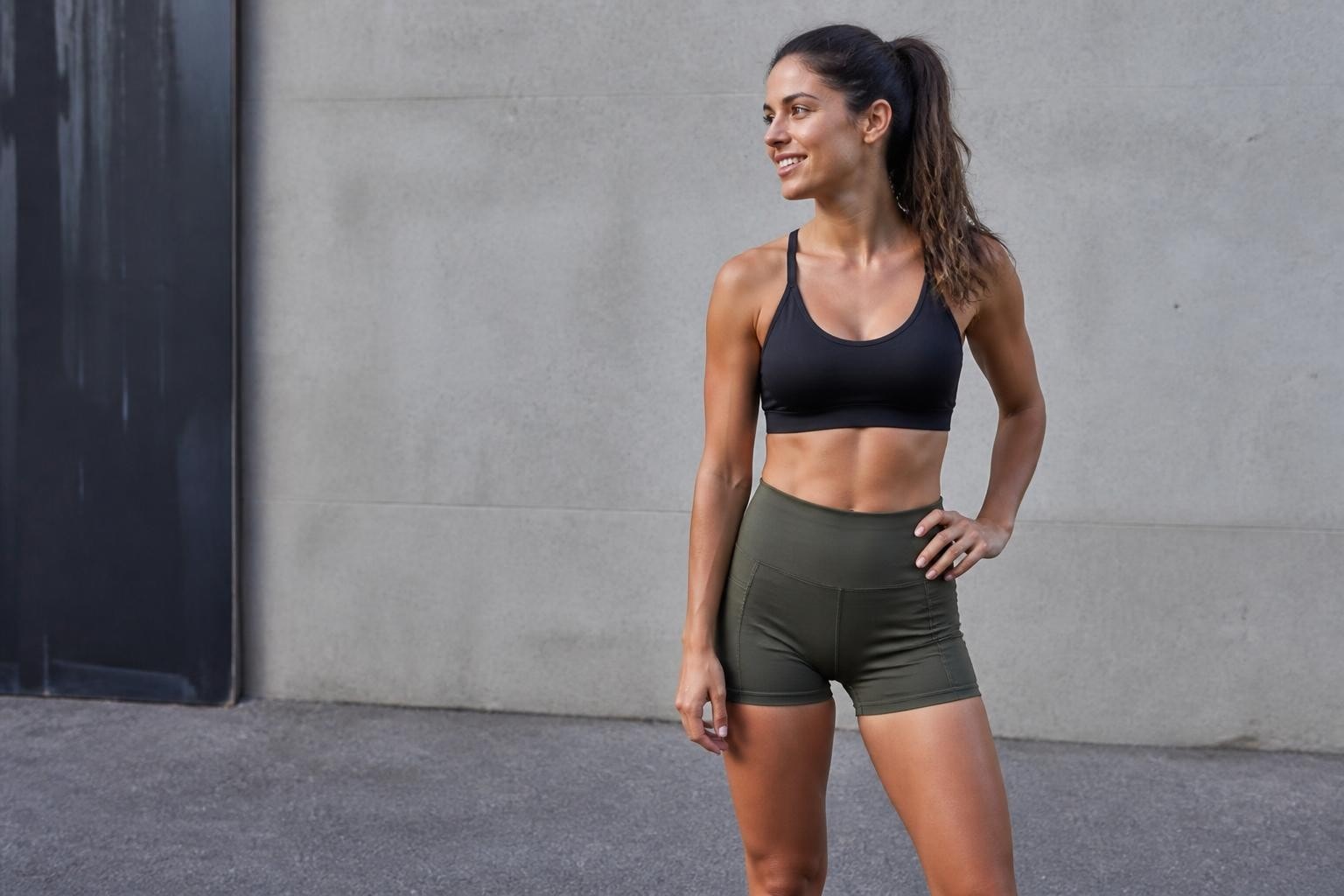
Shorts for Workout Women: 2026 Buying Guide
Finding the perfect shorts for workout women has evolved beyond simple athletic wear into a sophisticated science of fabric technology, fit optimization, and performance engineering. In 2026, female athletes and fitness enthusiasts have access to unprecedented options designed specifically for their bodies and training needs. The modern workout short represents years of research into movement patterns, moisture management, and durability requirements unique to women's fitness activities. Whether you're a dedicated runner, cyclist, weightlifter, or yoga practitioner, understanding how to select the right shorts transforms your workout experience from merely functional to genuinely comfortable and performance-enhancing.
Understanding Fabric Technology in Women's Workout Shorts
The foundation of quality shorts for workout women starts with fabric selection. Modern athletic shorts utilize advanced synthetic blends that manage moisture, regulate temperature, and provide strategic compression where needed most.
Polyester-spandex blends dominate the market for good reason. These combinations typically range from 80/20 to 90/10 ratios, offering excellent stretch recovery while maintaining shape through countless wash cycles. The moisture-wicking properties pull sweat away from skin, keeping you dry during high-intensity interval training or marathon runs.
Key Fabric Features to Prioritize
- Four-way stretch for unrestricted movement in all directions
- Antimicrobial treatments to prevent odor buildup during extended wear
- UPF protection for outdoor activities, typically rated 30-50+
- Compression levels ranging from light support to medical-grade compression
- Breathable mesh panels strategically placed in high-heat zones
Nylon-based fabrics present another popular option, particularly for shorts designed for cycling or running. According to comprehensive testing by Cycling Weekly, the best women's cycling shorts of 2026 incorporate advanced nylon blends that balance durability with flexibility.
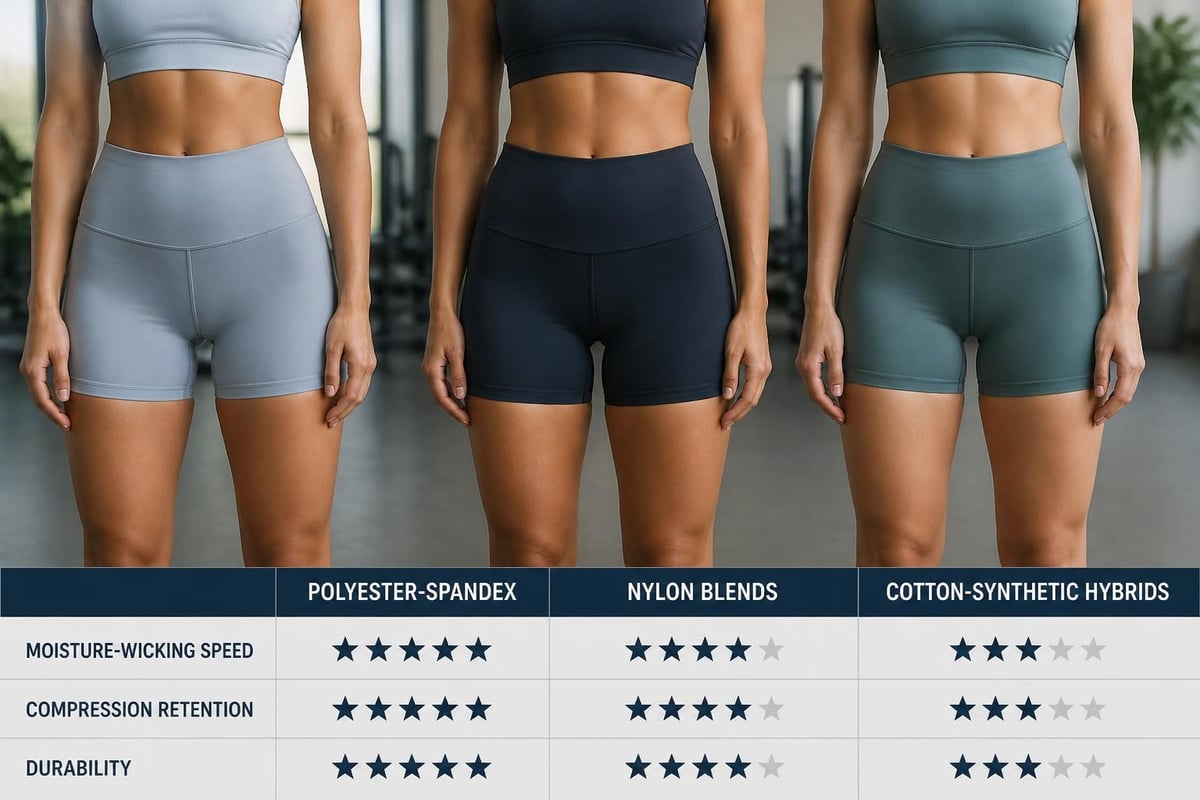
The weight of fabric matters significantly. Lightweight materials (typically 150-200 GSM) work best for warm weather and high-output activities, while mid-weight options (200-250 GSM) provide year-round versatility. Heavy compression shorts (250-300 GSM) deliver therapeutic benefits for recovery or injury prevention.
Inseam Length and Coverage Considerations
Inseam length dramatically affects both comfort and performance in shorts for workout women. The ideal length depends on your specific activity, body proportions, and personal preference for coverage.
| Inseam Length | Best For | Coverage Level | Common Uses |
|---|---|---|---|
| 2-3 inches | High mobility | Minimal | Sprinting, CrossFit, indoor cycling |
| 4-5 inches | Balanced versatility | Moderate | General gym work, running, training |
| 6-7 inches | Extended coverage | Substantial | Outdoor running, yoga, casual wear |
| 8+ inches | Maximum coverage | Full | Cycling, hiking, layering |
Short inseams (2-3 inches) maximize range of motion for explosive movements like box jumps or Olympic lifts. However, they require careful attention to fit and fabric quality to prevent riding up during activity.
Mid-length options (4-5 inches) represent the sweet spot for most women's fitness activities. BarBend's evaluation of top women's workout shorts highlights how this length provides adequate coverage without restricting movement during compound exercises or cardio sessions.
Fit and Rise Options
The rise of your shorts-where the waistband sits on your torso-affects both comfort and performance:
- High-rise (sits at or above navel): Provides core support, prevents gapping during bends, ideal for running and HIIT
- Mid-rise (sits just below navel): Balanced comfort, works for most activities, reduces waistband bulk
- Low-rise (sits at hips): Minimal coverage, best for low-impact activities or layering under longer tops
High-rise designs have dominated the market for shorts for workout women since 2024, offering superior stay-put performance and eliminating the muffin-top effect that plagued earlier generations of athletic wear.
Essential Features for Performance and Convenience
Modern workout shorts incorporate thoughtful design elements that separate exceptional products from merely adequate ones. These features directly impact your training effectiveness and overall satisfaction.
Pocket placement and design have become critical differentiators. Side pockets, back zippered compartments, and specialized phone pockets allow you to carry essentials without compromising movement or creating uncomfortable bulk.
According to Netmums' editor-approved testing of 12 women's gym shorts, secure phone pockets that accommodate larger smartphones (up to 6.7 inches) rank among the most requested features in 2026.
Critical Design Elements
- Flatlock seaming to prevent chafing during extended wear
- Gusseted crotch panels for enhanced mobility and comfort
- Silicone grip strips at leg openings to prevent ride-up
- Reflective details for visibility during early morning or evening outdoor workouts
- Drawstring waistbands for customizable fit adjustment
Compression considerations extend beyond fabric choice. Graduated compression, which applies more pressure at the legs and less at the waist, can improve blood flow and reduce muscle fatigue during long training sessions.
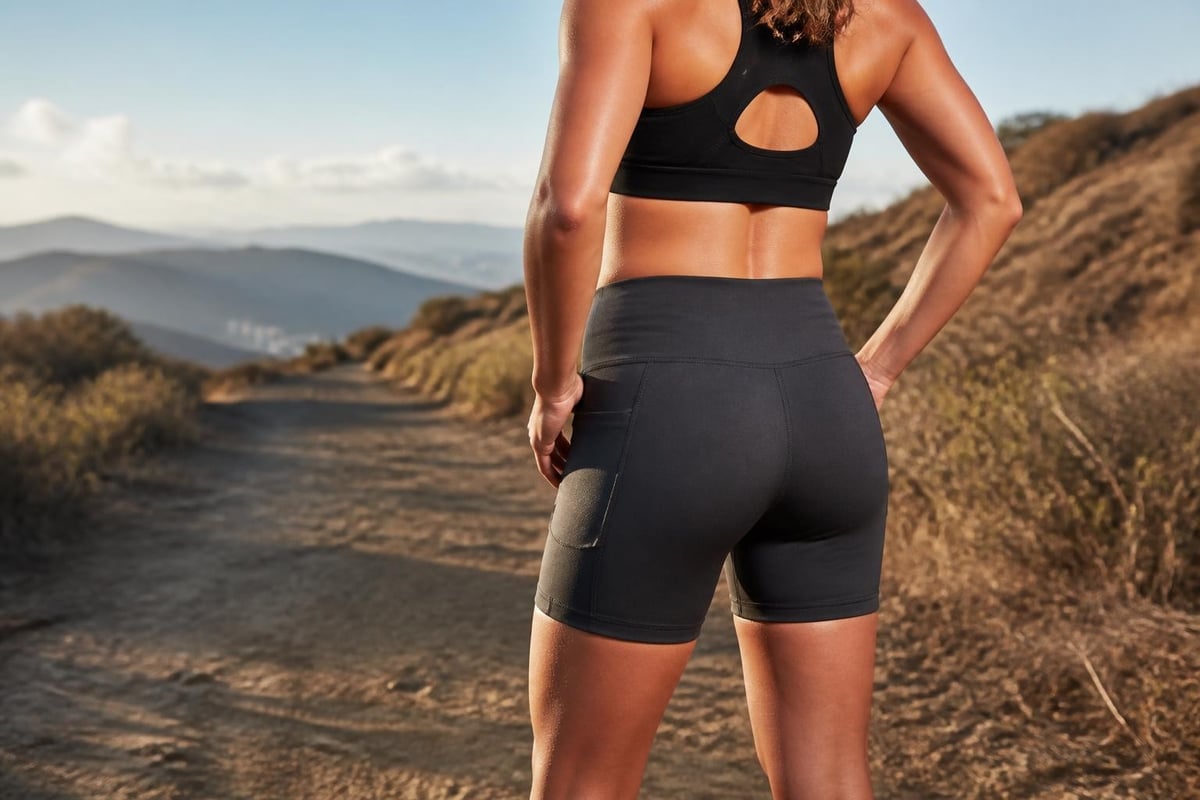
The liner debate continues among fitness enthusiasts. Built-in liners provide an all-in-one solution but limit underwear choices. Liner-free designs offer versatility but require careful selection of appropriate undergarments to prevent discomfort.
Activity-Specific Short Selection
Different fitness disciplines demand specific characteristics in shorts for workout women. Optimizing your selection for your primary activity significantly enhances performance and comfort.
Running and Track Sports
Running shorts prioritize lightweight construction, minimal bulk, and unrestricted leg movement. Split-hem designs allow maximum stride length, while built-in briefs eliminate the need for additional undergarments.
Key specifications for running-focused shorts:
- Inseam: 3-5 inches for optimal balance
- Weight: Under 150 grams for minimal distraction
- Pockets: Secure zippered options for keys and gels
- Reflectivity: 360-degree visibility for safety
Tom's Guide's review of Lululemon's Fast and Free shorts emphasizes how specialized running shorts reduce bounce and provide targeted ventilation that general-purpose athletic shorts cannot match.
Cycling-Specific Requirements
Cycling shorts for women feature significantly different construction than general fitness shorts. Chamois padding, longer inseams, and compression fabrics designed for sustained seated positions define this category.
Professional-grade cycling shorts include:
- Multi-density chamois padding strategically placed for saddle contact points
- Bib construction options that eliminate waistband pressure
- Compression mapping tailored to cycling muscle groups
- Inseams typically 8-10 inches to prevent saddle contact with bare skin
Strength Training and CrossFit
Weightlifting and functional fitness demand shorts that accommodate deep squats, lunges, and dynamic movements without restriction or transparency concerns.
Optimal characteristics include:
- Squat-proof fabrics with substantial thickness and opacity
- Mid-length inseams (5-7 inches) for coverage during floor work
- High-rise waistbands that stay in place during inverted movements
- Minimal seaming in high-friction areas
The workout clothes collection at TeninoVentures includes versatile options designed to transition seamlessly between different training modalities while maintaining professional appearance and performance features.
Sizing, Fit, and Body Type Considerations
Proper sizing in shorts for workout women extends beyond simple small-medium-large categories. Understanding how different brands size their products and how cut variations affect different body types prevents costly sizing mistakes.
Size Chart Interpretation
| Measurement Area | How to Measure | Why It Matters |
|---|---|---|
| Waist | Natural waistline, not where pants sit | Determines waistband comfort |
| Hips | Fullest part of buttocks | Affects overall fit and movement |
| Thigh | Widest part of upper leg | Prevents restriction and chafing |
| Inseam preference | From crotch to desired hem | Personal coverage comfort |
Brand sizing inconsistency remains a significant challenge in 2026. European brands typically run smaller than American manufacturers, while Australian brands often offer longer inseams for comparable sizes.
Athletic body types require specific considerations. Women with muscular thighs often find standard sizing too tight in the legs while loose at the waist. Conversely, those with smaller frames may need petite-specific cuts to avoid excess fabric bunching.
Fit Testing at Home
Before committing to new shorts, perform these fit checks:
- Squat test: Drop into a deep squat position and verify opacity, comfort, and waistband security
- Reach test: Extend arms overhead and touch the floor to ensure the waistband doesn't slide down
- Run in place: Check for ride-up, chafing points, or restriction in leg movement
- Sit test: Sit for five minutes to identify any uncomfortable waistband pressure or bunching
Return policies matter significantly when purchasing athletic wear online. Reputable retailers understand that fit testing requires actual movement, not just trying on while standing still.
Maintenance and Longevity Optimization
Quality shorts for workout women represent a significant investment. Proper care extends their functional lifespan and maintains performance characteristics through hundreds of workout sessions.
Washing frequency should balance hygiene with fabric preservation. After high-sweat activities, immediate washing prevents bacterial growth and odor development. However, low-intensity sessions may allow for air-drying and multiple wears before laundering.
Care Best Practices
- Wash in cold water with mild detergent designed for technical fabrics
- Avoid fabric softeners, which coat fibers and reduce moisture-wicking performance
- Turn shorts inside-out to protect exterior finish and reduce pilling
- Air dry when possible; if using a dryer, select low heat only
- Store flat or loosely folded to prevent elastic degradation
Stain and odor management requires prompt attention. Pre-treating sweat-stained areas with enzyme-based cleaners before washing prevents permanent discoloration. Adding white vinegar to the rinse cycle naturally eliminates persistent odors without damaging technical fabrics.
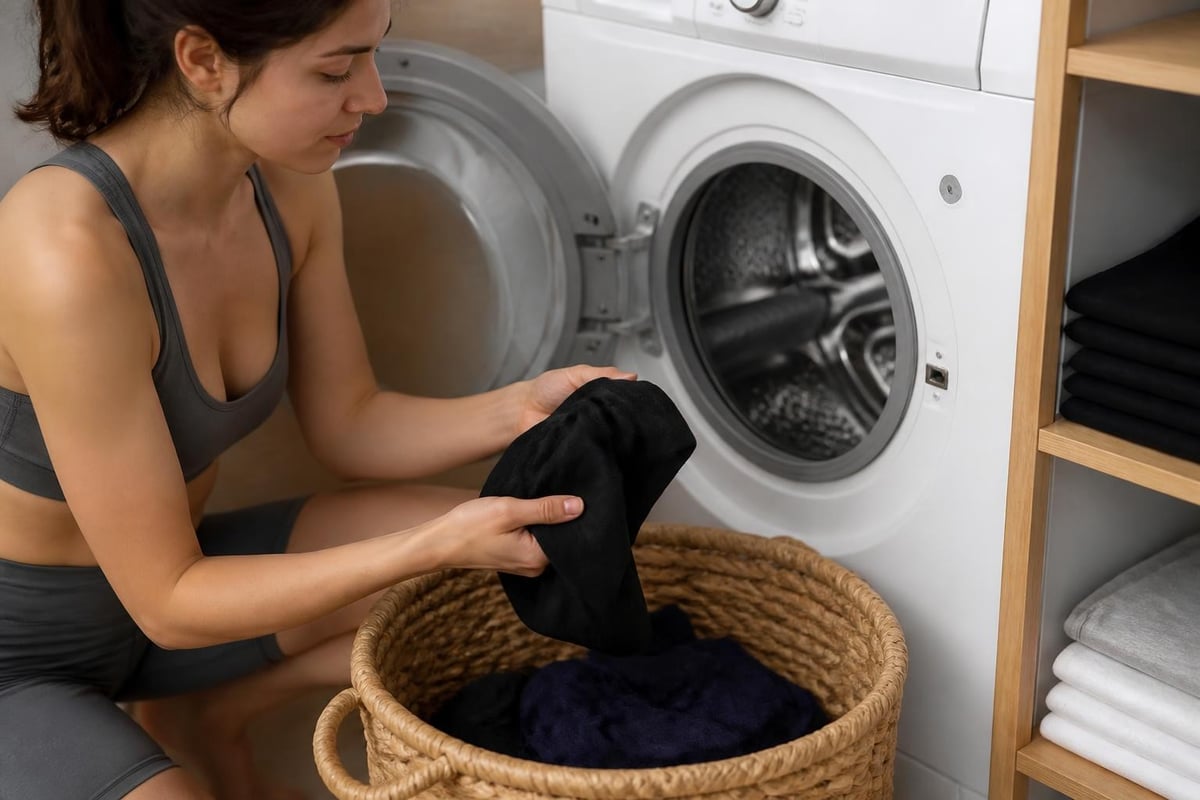
Compression garments demand extra care. Excessive heat exposure-whether from hot water washing or high dryer temperatures-degrades elastic fibers and reduces compression effectiveness. Many women invest in multiple pairs of their favorite shorts to reduce washing frequency on individual pieces.
Price Points and Value Assessment
The market for shorts for workout women spans from budget options under twenty-five dollars to premium pieces exceeding one hundred fifty dollars. Understanding what justifies these price differences helps you make informed purchasing decisions aligned with your needs and budget.
Price Tier Comparison
Budget tier ($15-$35): Basic construction, standard polyester-spandex blends, minimal features, adequate for casual fitness enthusiasts or beginners. Expect 6-12 months of regular use before significant wear appears.
Mid-range tier ($40-$75): Enhanced fabric technology, better construction quality, thoughtful design features like secure pockets and flatlock seaming. These typically serve dedicated fitness enthusiasts well for 12-24 months.
Premium tier ($80-$150+): Proprietary fabric blends, extensive testing and refinement, lifetime warranties or guarantees, superior durability. Investment pieces that often last 2-4 years with proper care.
Value calculation should consider cost-per-wear rather than absolute price. A one hundred twenty dollar pair worn three times weekly for three years costs approximately twenty-five cents per workout. A thirty dollar pair worn twice weekly for six months costs fifty-eight cents per workout.
Quality indicators that justify premium pricing include:
- Proprietary fabric development with documented performance advantages
- Extensive fit testing across diverse body types and sizes
- Reinforced high-stress areas like waistbands and inseams
- Warranty coverage that demonstrates manufacturer confidence
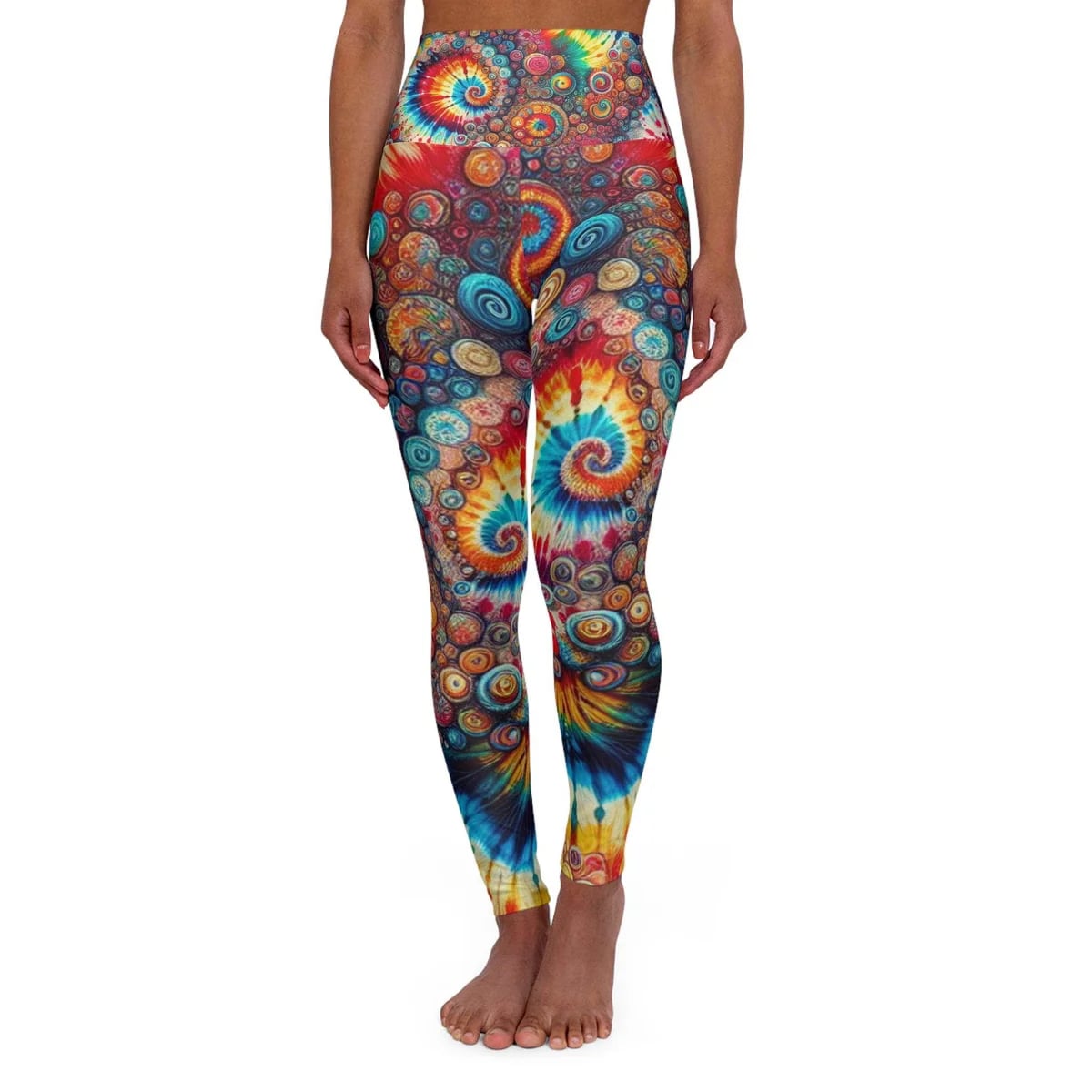
Pairing quality workout shorts with coordinating pieces creates cohesive activewear outfits. The Rainbow Tie-Dye Leggings complement neutral-colored shorts beautifully for those who appreciate mixing vibrant patterns with classic athletic staples while maintaining the moisture-wicking and flexibility benefits essential for serious training.
Sustainable and Ethical Considerations
Environmental consciousness increasingly influences purchasing decisions for shorts for workout women in 2026. Sustainable manufacturing practices, ethical labor conditions, and end-of-life recyclability factor into value assessments for environmentally aware consumers.
Recycled polyester derived from post-consumer plastic bottles has become standard in eco-conscious athletic wear. These fabrics perform identically to virgin polyester while reducing environmental impact. However, microplastic shedding during washing remains a concern requiring mitigation strategies like specialized laundry bags.
Certifications to look for include:
- Bluesign approval for responsible textile production
- Fair Trade certification ensuring ethical labor practices
- OEKO-TEX Standard 100 verifying absence of harmful substances
- Global Recycled Standard (GRS) confirming recycled content claims
Durability represents the most sustainable choice. A well-constructed pair of shorts that lasts four years has significantly lower environmental impact than four pairs of cheaper shorts replaced annually, regardless of the cheaper options' recycled content claims.
Some manufacturers now offer take-back programs, allowing you to return worn-out shorts for recycling into new products. These circular economy initiatives reduce landfill waste while providing modest discounts on future purchases.
Emerging Trends and Innovations
The evolution of shorts for workout women accelerates as manufacturers incorporate new technologies and respond to changing fitness landscape demands. Understanding emerging trends helps you make forward-looking purchases that remain relevant as the industry evolves.
Smart fabric integration includes embedded sensors that monitor muscle engagement, form quality, and fatigue indicators. While still in early adoption phases, these technologies promise to revolutionize how we understand and optimize our training.
Color-changing fabrics that shift hue based on body temperature or pH levels offer both aesthetic appeal and functional feedback. These innovations help athletes identify overheating risks or hydration needs through visual cues integrated into their clothing.
Technology Integration Features
- Antimicrobial silver nanoparticles permanently bonded to fibers for odor prevention
- Phase-change materials that actively regulate temperature by absorbing or releasing heat
- Graphene-enhanced fabrics offering superior strength-to-weight ratios and conductivity
- Biodegradable synthetic blends that decompose at end-of-life without microplastic pollution
Customization and personalization continue expanding. Made-to-measure services using 3D body scanning technology ensure perfect fits regardless of body type, while digital printing allows for unlimited design possibilities without minimum order quantities.
The modular design trend enables shorts with removable liners, adjustable inseams through zipper systems, and interchangeable waistband configurations. This adaptability extends the versatility of single pieces across multiple use cases.
Multi-Sport Versatility and Wardrobe Strategy
Building an efficient collection of shorts for workout women requires strategic thinking about overlap, versatility, and specific needs. Most fitness enthusiasts benefit from a targeted selection rather than extensive collections of similar pieces.
The three-short minimum serves most active women well:
- One pair optimized for your primary sport or activity
- One versatile mid-range option for general fitness and casual wear
- One specialized piece for your secondary activity or climate-specific needs
This approach ensures you always have clean shorts available while avoiding unnecessary redundancy. Adding a fourth pair dedicated to outdoor activities with enhanced features like water resistance or extended sun protection completes a comprehensive rotation for multi-sport athletes.
Cross-training considerations matter. If you regularly combine running with strength training or cycling with yoga, seek shorts that perform adequately across multiple disciplines rather than maintaining separate pieces for each activity.
Color and pattern strategy affects both aesthetics and practicality. Dark, neutral colors hide stains and coordinate effortlessly with existing activewear. However, lighter colors and patterns can provide psychological benefits through improved mood and self-expression during workouts.
Seasonal rotation depends on climate. Those in temperate regions may wear the same shorts year-round, while those experiencing temperature extremes benefit from maintaining separate warm-weather and cool-weather selections with appropriate fabric weights and coverage levels.
For comprehensive fitness wardrobes beyond shorts, exploring the trendy clothing collection reveals how coordinated activewear pieces work together to create functional, stylish training outfits suitable for gym sessions and casual wear alike.
Brand Comparisons and Market Leaders
The market for shorts for workout women features established athletic brands, emerging direct-to-consumer companies, and traditional retailers expanding into performance wear. Each segment offers distinct advantages worth considering.
Legacy athletic brands like Nike, Adidas, and Under Armour provide extensive size ranges, proven performance records, and widely available in-store try-on opportunities. Their research and development budgets fund continuous innovation, though premium pricing reflects brand positioning as much as quality differences.
Direct-to-consumer brands eliminate retail markup, often delivering comparable quality at lower prices. However, fit uncertainty and return logistics present potential complications. Customer reviews and detailed size guides become essential research tools when purchasing from these manufacturers.
Specialty cycling brands produce shorts specifically engineered for the unique demands of cycling. CyclingNews reviews of products like the POC Women's Cadence Cycling Bib Shorts demonstrate how sport-specific expertise translates to superior performance in targeted applications.
Brand Selection Criteria
| Factor | Legacy Brands | DTC Brands | Specialty Manufacturers |
|---|---|---|---|
| Price Point | $50-$150 | $30-$80 | $80-$200 |
| Size Range | Extensive | Limited to moderate | Sport-specific |
| Innovation | Continuous | Selective | Category-leading |
| Availability | Widespread retail | Online only | Specialty retailers |
| Return Ease | Simple | Variable | Often excellent |
Research thoroughly before committing to new brands. Third-party reviews from sources like Rogue Fitness product descriptions provide unbiased assessments of fit, durability, and actual performance versus marketing claims.
Customer service quality varies dramatically between manufacturers. Brands with responsive support teams, generous return windows, and damage replacement policies justify premium pricing through reduced long-term risk and hassle.
Performance Testing and Evaluation Methods
Objectively assessing shorts for workout women requires systematic testing across relevant performance metrics. Personal preferences matter, but standardized evaluation criteria help identify truly superior products.
Moisture management testing involves wearing shorts through high-sweat activities and measuring dry time. Superior fabrics should feel noticeably drier within five minutes post-exercise and fully dry within one hour of removal.
Compression retention testing examines how well shorts maintain their supportive properties after repeated wear and washing. Measure waistband and leg opening circumferences when new, then repeat measurements after twenty-five and fifty wash cycles. Minimal change indicates quality elastic integration.
Objective Testing Metrics
- Opacity during stretch: Perform deep squats in bright lighting to verify no transparency
- Stay-put performance: Run one mile and measure waistband displacement from starting position
- Chafe-free wear: Complete ninety-minute workout sessions without lubricants and check for irritation
- Pocket security: Perform burpees, box jumps, and sprints with weighted items in pockets
- Odor resistance: Wear for consecutive high-intensity sessions and assess smell development
Subjective comfort assessments remain valuable despite their personal nature. The shorts that feel best during your specific activities are the right shorts, regardless of technical specifications or reviews. Trust your body's feedback about pressure points, restriction, or irritation that develops during actual use.
Research on athletic apparel's impact on performance, such as studies examining how Nike Vaporfly shoes affect marathon times, demonstrates that equipment choices genuinely influence athletic outcomes. While less dramatic than footwear effects, appropriate shorts selection contributes meaningfully to training quality and consistency.
Selecting optimal shorts for workout women in 2026 requires balancing fabric technology, fit precision, activity-specific features, and personal preferences to create a collection that supports your fitness journey without compromise. Whether you prioritize compression for recovery, pockets for convenience, or sustainable manufacturing for environmental responsibility, today's market offers solutions tailored to every need and budget. TeninoVentures provides diverse workout wear options alongside their broader clothing and lifestyle collections, making it simple to build complete activewear wardrobes that transition seamlessly from intense training sessions to casual everyday wear while maintaining the quality and performance features serious athletes demand.

Leave a comment
This site is protected by hCaptcha and the hCaptcha Privacy Policy and Terms of Service apply.