

Yoga Attire: Your Complete Guide to Practice-Ready Wear
Choosing the right yoga attire transforms your practice from merely functional to genuinely comfortable and confidence-inspiring. Whether you're stepping onto the mat for the first time or you're a seasoned practitioner refining your wardrobe, understanding the nuances of yoga clothing helps you move freely, stay comfortable, and focus on what truly matters: your practice. The right outfit adapts to your body, supports your movements, and gives you the mental freedom to concentrate on breath and alignment rather than adjusting your clothes mid-flow.
Understanding Yoga Attire Fundamentals
The foundation of excellent yoga attire lies in understanding how clothing interacts with your practice. Your outfit needs to move with you through sun salutations, support you in inversions, and keep you comfortable during seated meditation. This requires attention to fabric selection, fit dynamics, and practical construction details that many practitioners overlook when building their yoga wardrobe.
Fabric Technology and Performance
Modern yoga attire benefits from advanced fabric engineering designed specifically for movement practices. Moisture-wicking materials pull sweat away from your skin, keeping you dry during heated vinyasa flows or power yoga sessions. The most effective fabrics combine polyester, nylon, or spandex blends that offer stretch, recovery, and breathability.
According to guidance from Yogakawa's comprehensive fabric analysis, prioritizing breathable and flexible materials ensures optimal performance across different yoga styles. Natural fibers like cotton provide softness and breathability, though they retain moisture and can feel heavy during intense sessions.
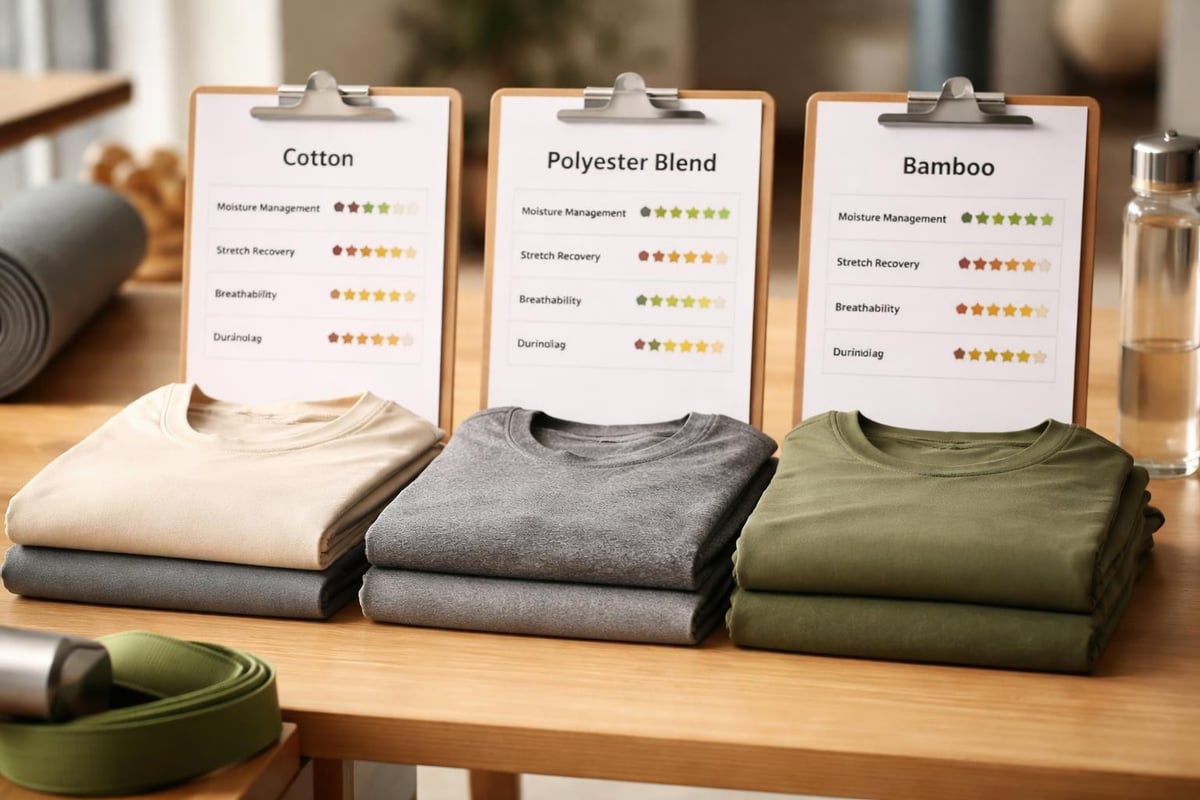
Key fabric considerations include:
- Stretch and recovery: Four-way stretch fabrics move in all directions and return to original shape
- Opacity: Squat-proof materials prevent transparency during bends and inversions
- Durability: High-quality blends resist pilling, fading, and losing elasticity over time
- Temperature regulation: Fabrics that adapt to both heated and regular studio environments
- Antimicrobial properties: Materials that resist odor buildup between washes
Fit Guidelines for Different Body Types
Yoga attire should fit close enough to avoid fabric bunching or shifting but loose enough to allow unrestricted movement. The relationship between your body and your clothing creates either confidence or distraction during practice. Understanding your body type and personal preferences helps you select pieces that enhance rather than hinder your yoga journey.
| Body Type | Top Recommendations | Bottom Recommendations | Key Considerations |
|---|---|---|---|
| Athletic | Fitted tanks, crop tops | High-waisted leggings, capris | Emphasize muscle definition, avoid excess fabric |
| Curvy | Supportive sports bras, longer tanks | Wide waistband leggings, bootcut pants | Focus on compression and coverage |
| Petite | Cropped styles, fitted silhouettes | 7/8 length leggings, ankle-length pants | Avoid overwhelming proportions |
| Tall | Extended length tops, tunics | Full-length leggings, long inseams | Seek brands with tall-specific sizing |
The dress code guidelines from Yogaville emphasize modest and clean clothing that respects the spiritual environment, reminding practitioners that yoga attire serves both functional and respectful purposes in traditional settings.
Essential Yoga Attire Components
Building a complete yoga wardrobe requires strategic selection of core pieces that work together across different practice styles and temperatures. Rather than accumulating random items, focus on versatile essentials that mix and match effectively while meeting the specific demands of your preferred yoga styles.
Bottoms That Move With You
Leggings dominate modern yoga attire for good reason: they offer unrestricted movement, stay in place during inversions, and provide the compression many practitioners prefer. Full-length leggings work year-round in climate-controlled studios, while capri or 7/8 lengths offer breathability for warmer environments or heated classes.
For those who prefer colorful and expressive workout wear, options like Rainbow Tie-Dye Leggings bring personality to practice while delivering the stretch and moisture-wicking properties essential for dynamic movement. The vibrant patterns can boost mood and confidence while maintaining professional performance standards.
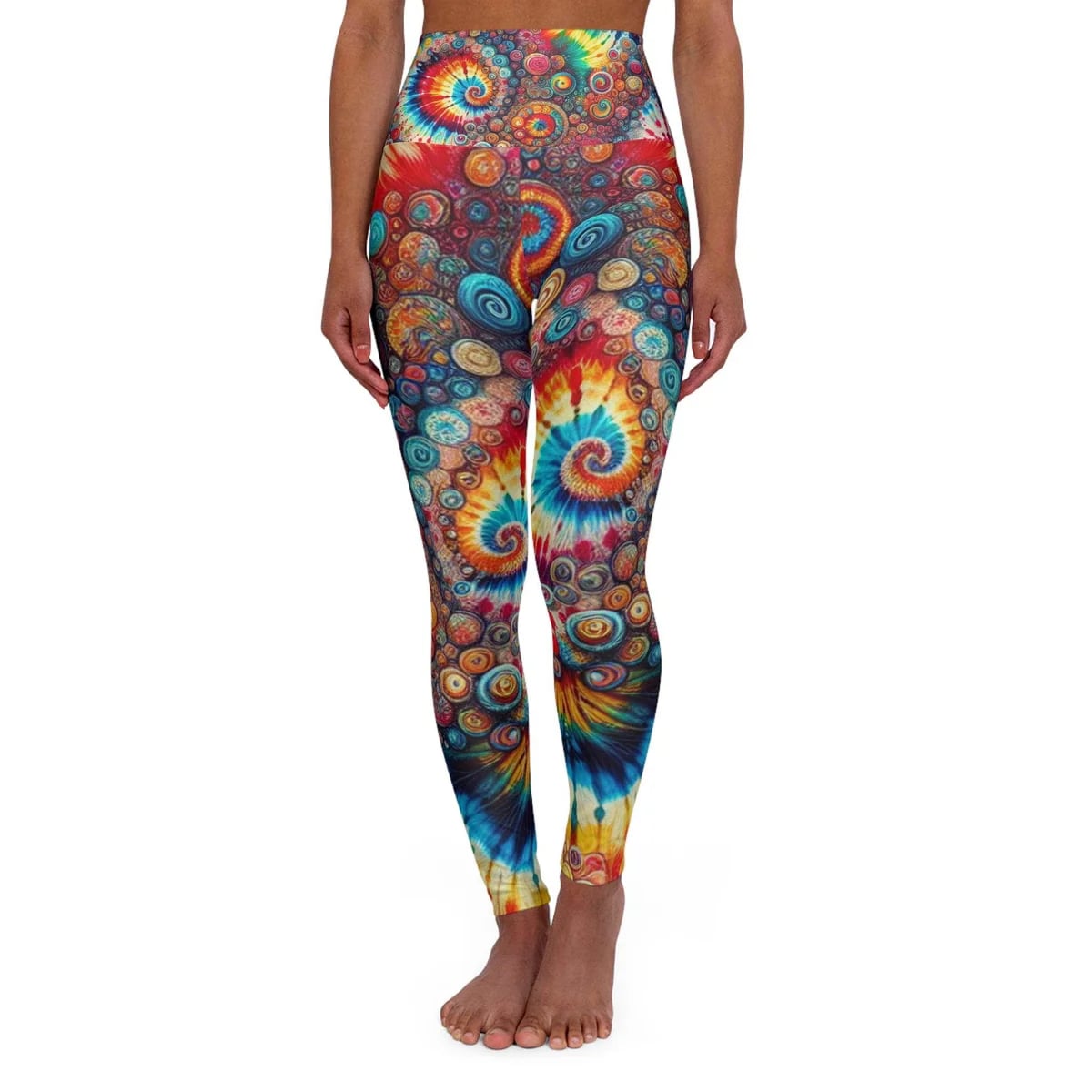
Yoga pants versus leggings: Traditional yoga pants feature a looser fit through the leg with a fitted waist, offering more airflow but potentially more fabric management during practice. Leggings provide a second-skin fit that eliminates uncertainty about fabric positioning during complex poses.
Shorts present another option, particularly for hot yoga or practitioners who prefer maximum leg freedom. The Yoga Sports Association Australia's competition guidelines specify modest and non-revealing attire standards, which inform appropriate short length and coverage for formal yoga settings.
Tops for Every Practice Style
Your yoga top selection depends heavily on practice intensity, studio temperature, and personal comfort preferences. Sports bras work alone for heated classes or high-intensity flows, while layering options accommodate gentler practices and cooler environments.
Consider these top categories:
- Built-in bra tanks: Combine support and coverage in one piece
- Loose-fitting tanks: Allow maximum airflow and range of motion
- Fitted crop tops: Stay in place during inversions without riding up
- Long-sleeve breathable layers: Provide warmth during warm-ups and cooldowns
- Open-back designs: Offer ventilation while maintaining coverage
Round Rock Yoga's etiquette recommendations suggest wearing modest clothing like yoga pants with t-shirts or tank tops to create a respectful practice environment that doesn't distract fellow practitioners.
Support and Foundation Garments
Quality sports bras form the foundation of comfortable yoga attire for practitioners who need chest support. The level of support should match your practice intensity: light support for restorative or yin yoga, medium support for vinyasa flow, and high support for power yoga or athletic-style classes.
Key sports bra features include:
- Adjustable straps for customized fit
- Wide underbands that don't dig into ribs
- Moisture-wicking lining to prevent chafing
- Racerback or cross-back designs that stay centered
- Removable padding for versatility
Seasonal and Style-Specific Considerations
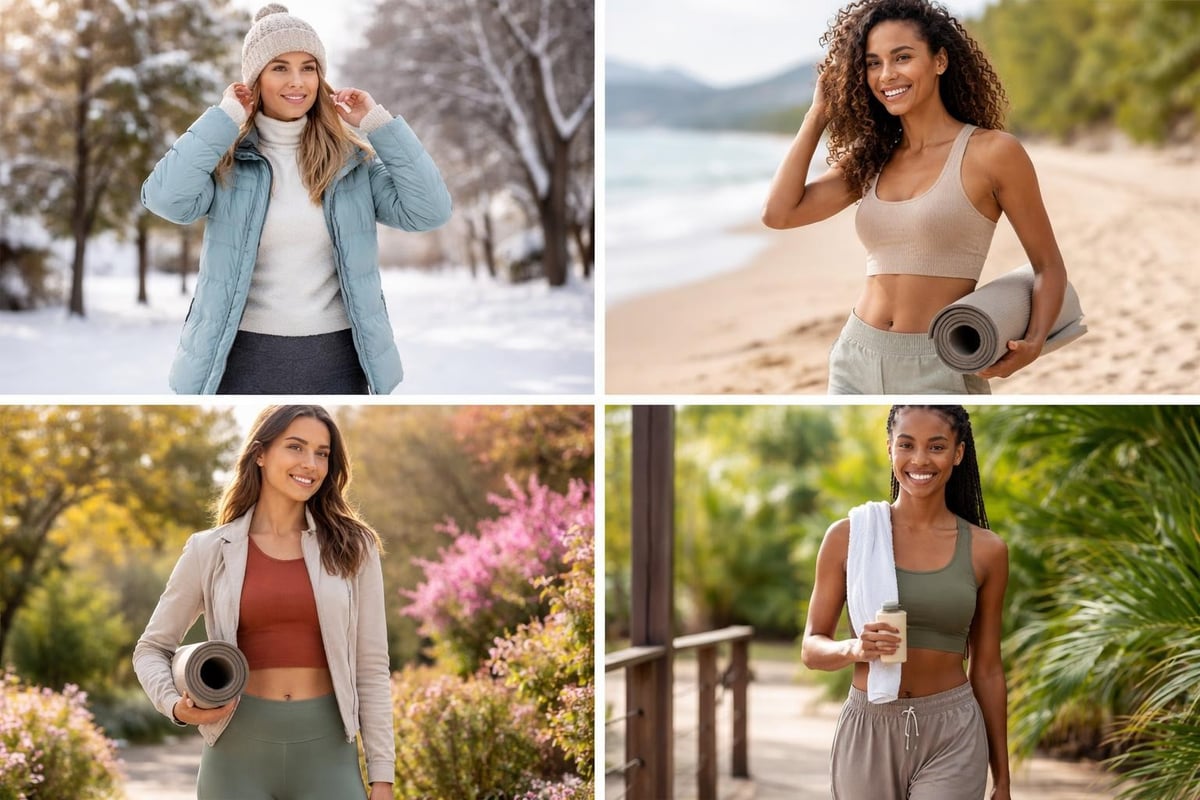
Adapting your yoga attire to seasonal changes and specific yoga styles ensures comfort and appropriate functionality throughout the year. Temperature fluctuations, practice environments, and style variations all influence optimal clothing choices that support rather than distract from your practice.
Hot Yoga and Heated Studio Attire
Hot yoga demands specialized clothing considerations due to extreme temperatures and profuse sweating. Minimal coverage often works best, allowing maximum skin exposure for heat dissipation and sweat evaporation. However, fabric selection becomes even more critical in these conditions.
Essential hot yoga fabric properties:
- Superior moisture-wicking capability
- Quick-drying technology
- Antimicrobial treatment to prevent odor
- Chlorine resistance for studios using sanitizing solutions
- Compression that maintains shape when wet
According to research on innovative yoga clothing with haptic feedback, specialized yoga attire can even enhance practice effectiveness through technology integration, suggesting the future of yoga clothing extends beyond basic comfort into performance enhancement tools.
Restorative and Yin Yoga Comfort
Slower-paced practices prioritize comfort and warmth over performance features. Restorative and yin yoga involve holding poses for extended periods, often requiring additional layers to maintain body temperature as you settle into deep stretches.
| Practice Type | Temperature Needs | Fabric Priority | Style Recommendations |
|---|---|---|---|
| Hot Yoga | Maximum cooling | Moisture-wicking, quick-dry | Minimal coverage, fitted |
| Vinyasa Flow | Moderate regulation | Balanced breathability | Fitted but covered |
| Yin Yoga | Warmth retention | Soft, cozy materials | Loose, layered |
| Restorative | Maximum comfort | Natural, breathable fibers | Relaxed fit, easy movement |
The Body Mind Yoga practice guidelines recommend loose, comfortable clothing that facilitates movement and comfort, particularly relevant for gentler practice styles where restrictive athletic wear might feel unnecessary.
Outdoor Yoga Adaptations
Practicing yoga outdoors introduces additional variables: weather unpredictability, ground contact, and sun exposure. Your yoga attire needs to accommodate these elements while maintaining the core requirements of flexibility and comfort.
Outdoor-specific considerations:
- UV protection ratings in fabrics for sun safety
- Longer inseams to protect knees during kneeling poses on grass or sand
- Moisture-wicking properties for humid outdoor environments
- Darker colors that hide grass stains and dirt
- Zippered pockets for securing small items without a nearby bag
Building a Functional Yoga Wardrobe
Creating a versatile yoga attire collection requires strategic thinking about your practice frequency, preferred styles, and lifestyle integration. Rather than accumulating dozens of pieces, focus on high-quality essentials that work across multiple scenarios and maintain their performance through regular use and washing.
Starter Wardrobe Essentials
Beginning practitioners benefit from a streamlined approach that covers basic needs without overwhelming choices. Start with these foundational pieces:
- Two pairs of high-quality leggings in neutral colors
- Three moisture-wicking tops in complementary styles
- Two sports bras with appropriate support levels
- One lightweight layer for temperature regulation
- One pair of shorts for hot yoga or personal preference
As your practice evolves, you'll naturally identify gaps in your wardrobe and understand which features matter most for your specific needs. The Common Yoga Protocol guidelines from India's Ministry of AYUSH recommend light and comfortable cotton clothing that facilitates easy movement, particularly relevant for traditional practice approaches.
Quality Versus Quantity Decisions
Investing in fewer high-quality pieces delivers better long-term value than accumulating numerous lower-quality items. Premium yoga attire maintains its shape, opacity, and performance characteristics through hundreds of washes and practice sessions.
Quality indicators to evaluate:
- Flatlock seaming that prevents chafing and irritation
- Reinforced waistbands that resist rolling or digging
- Gusseted crotches for enhanced durability and comfort
- Consistent color throughout fabric (no dye variations)
- Clear care instructions and warranty information
Beyond dedicated yoga wear, TeninoVentures' workout clothes collection offers versatile activewear options that transition seamlessly from yoga practice to everyday activities, maximizing the value of each purchase through multi-purpose functionality.
Practical Care and Maintenance
Proper care extends the lifespan of your yoga attire while maintaining performance properties that make quality pieces worth their investment. Technical fabrics require specific handling to preserve their moisture-wicking, stretch, and antimicrobial characteristics through repeated use and cleaning cycles.
Washing and Drying Best Practices
Most yoga attire manufacturers recommend cold water washing to prevent fiber breakdown and color fading. Hot water damages elastic fibers, reduces fabric stretch recovery, and can set in odors rather than removing them. Turn garments inside out before washing to protect outer surfaces from abrasion and pilling.
Essential care steps:
- Use mild detergents without fabric softeners (which coat fibers and reduce moisture-wicking)
- Wash yoga clothes separately or with similar athletic wear
- Air dry whenever possible to preserve elastic integrity
- Avoid dryer sheets that leave residue on technical fabrics
- Store folded rather than hanging to prevent stretching waistbands
Odor Management Strategies
Synthetic fabrics excel at moisture-wicking but can retain odors more stubbornly than natural fibers. Even high-quality yoga attire eventually develops persistent smells if not properly maintained, particularly after hot yoga sessions or intensive practices.
Combat odor buildup through these approaches:
- Pre-soak sweaty items in cold water with white vinegar (one cup per gallon)
- Use sport-specific detergents formulated for synthetic fabrics
- Wash yoga clothes promptly after practice rather than leaving them in gym bags
- Periodically strip wash using specialized products that remove buildup
- Rotate your yoga wardrobe to allow pieces to fully air out between uses
Style Integration and Personal Expression
While functionality drives yoga attire selection, personal style and self-expression play important roles in how confident and motivated you feel during practice. Research examining yoga's impact on body image demonstrates that yoga positively influences self-perception, and wearing clothing that makes you feel good about yourself supports this beneficial effect.
Color Psychology and Pattern Selection
Colors and patterns in your yoga attire can influence your mental state and practice experience. Calm, neutral tones like grey, navy, and black create minimal visual distraction and hide sweat marks effectively. Vibrant colors and bold patterns can energize your practice and express personality, though they may show perspiration more obviously.
Color considerations for practice:
- Earth tones (brown, olive, terracotta): Grounding and centering
- Blues and greens: Calming and focused
- Bright colors (red, orange, yellow): Energizing and motivating
- Pastels: Soft and approachable
- Black and grey: Versatile and practical
Samma Karuna's comprehensive yoga attire guide emphasizes selecting clothing appropriate for different yoga styles, acknowledging that both comfort and appropriateness contribute to effective practice environments.
Transitioning from Studio to Street
Many practitioners value yoga attire that functions beyond the studio, integrating seamlessly into daily activities without requiring a complete outfit change. This athleisure approach maximizes clothing utility while maintaining the technical performance features essential for practice.
Multi-purpose styling strategies:
- Layer yoga tops under casual jackets or cardigans
- Pair yoga leggings with oversized sweaters or tunics
- Choose sophisticated neutral colors that read as everyday wear
- Accessorize with jewelry and bags to elevate athletic pieces
- Select yoga attire with refined details like mesh panels or unique cuts
The versatility extends to other retailers as well; exploring options at TeninoVentures reveals how activewear integrates with broader lifestyle clothing, allowing you to build a cohesive wardrobe that supports both movement practices and everyday comfort.
Sustainability and Ethical Considerations
Environmental consciousness increasingly influences yoga attire purchasing decisions as practitioners align clothing choices with yoga's philosophical principles of non-harm and mindful consumption. The fashion industry's environmental impact motivates many yogis to seek sustainable alternatives that reduce ecological footprints while maintaining performance standards.
Eco-Friendly Fabric Innovations
Sustainable yoga attire utilizes materials with lower environmental impacts throughout their lifecycle. Recycled polyester diverts plastic bottles from landfills while delivering the same moisture-wicking performance as virgin synthetic fibers. Organic cotton eliminates pesticide use, and bamboo fabrics offer natural antimicrobial properties with rapid renewable growth cycles.
Sustainable material options:
- Recycled polyester and nylon from post-consumer waste
- Organic cotton certified by GOTS or similar standards
- Tencel and modal from sustainably managed forests
- Hemp blends offering durability and low water requirements
- Econyl regenerated nylon from ocean plastics and waste materials
Ethical Production Practices
Beyond materials, ethical yoga attire production considers labor conditions, fair wages, and transparent supply chains. Many practitioners seek brands that demonstrate commitment to worker welfare and safe manufacturing environments, particularly given yoga's emphasis on compassion and conscious living.
Research Fair Trade certifications, B Corporation status, and brand transparency reports when evaluating ethical credentials. Direct relationships with manufacturers and small-batch production often indicate more controlled and ethical production processes compared to mass-market fast fashion approaches.
Selecting appropriate yoga attire enhances your practice through improved comfort, confidence, and freedom of movement while reflecting personal style and values. Whether you prioritize performance features, sustainable materials, or versatile style integration, thoughtful clothing choices support your yoga journey at every level. TeninoVentures offers diverse activewear and comfortable clothing options that complement your practice wardrobe, from vibrant leggings to cozy layers perfect for post-practice relaxation. Explore their collections to discover pieces that move with you from mat to everyday life.


Leave a comment
This site is protected by hCaptcha and the hCaptcha Privacy Policy and Terms of Service apply.