
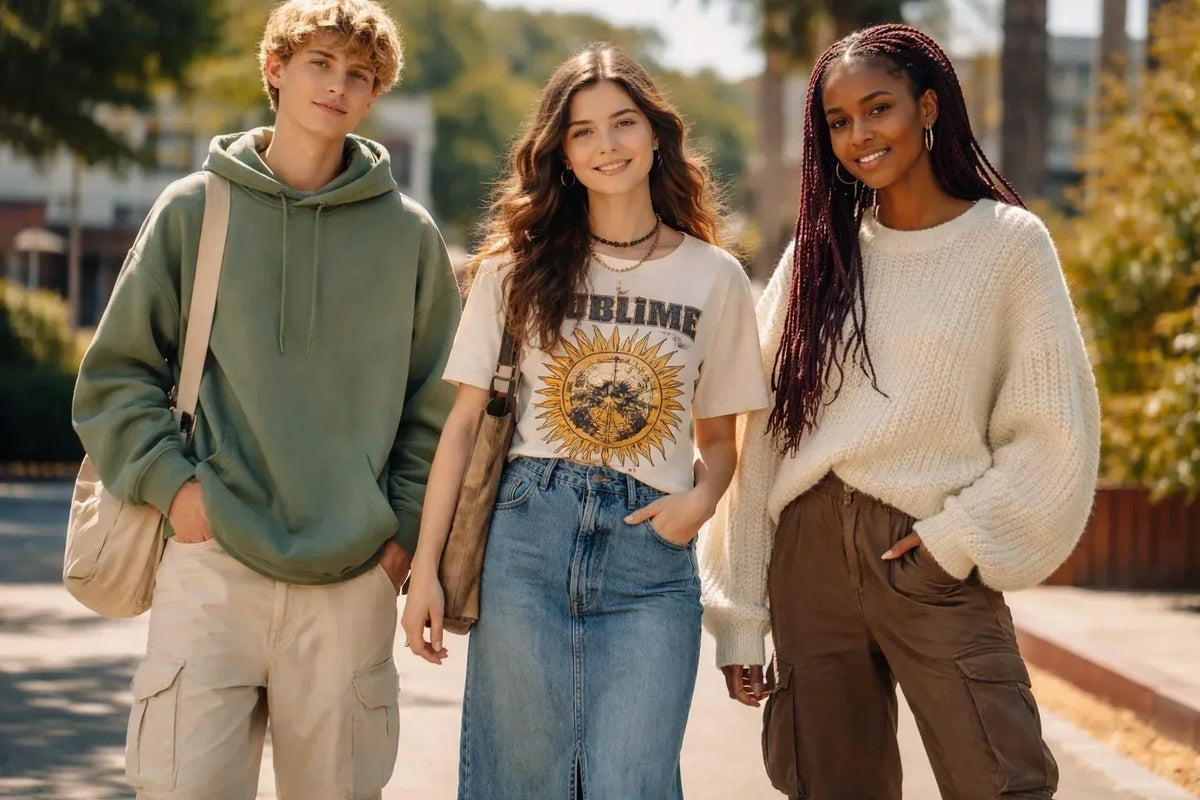
Youth Clothing Trends 2026: Complete Style Guide for Modern Wardrobes
The world of youth clothing has transformed dramatically over the past few years, evolving from simple basics into a sophisticated expression of individuality, values, and cultural awareness. Today's young shoppers demand more than just trendy pieces-they seek garments that reflect their identity, support sustainable practices, and offer genuine value. Understanding these shifts helps parents, retailers, and young people themselves make informed decisions about building wardrobes that work across multiple contexts while staying true to personal style.
Understanding the Youth Clothing Market in 2026
The youth apparel industry has reached unprecedented sophistication, with the global kids apparel market projected to grow from USD 241.64 billion in 2026 to USD 423.01 billion by 2034. This remarkable expansion reflects changing consumer priorities and purchasing patterns.
Key market drivers include:
- Increased emphasis on quality over quantity
- Growing awareness of sustainable manufacturing
- Demand for versatile, multi-occasion pieces
- Rise of gender-neutral styling options
- Integration of technology in fabric development
Parents and young shoppers now research materials, construction methods, and brand values before making purchases. This educated approach has elevated youth clothing from disposable fast fashion to considered wardrobe investments that balance style with longevity.
Age-Specific Considerations
Different age groups within the youth category require distinct approaches to fit, function, and style. Tweens aged 8-12 prioritize comfort and peer approval, while teenagers aged 13-18 seek pieces that communicate their evolving identity.
| Age Group | Primary Needs | Style Preferences | Shopping Influence |
|---|---|---|---|
| 8-10 years | Durability, easy care | Character themes, bright colors | Parent-led decisions |
| 11-13 years | Peer acceptance, comfort | Trend-aware basics, graphics | Shared parent-child input |
| 14-16 years | Self-expression, fit | Bold statements, curated looks | Youth-driven choices |
| 17-18 years | Versatility, quality | Sophisticated casual, investment pieces | Independent decisions |
Current Trends Shaping Youth Fashion
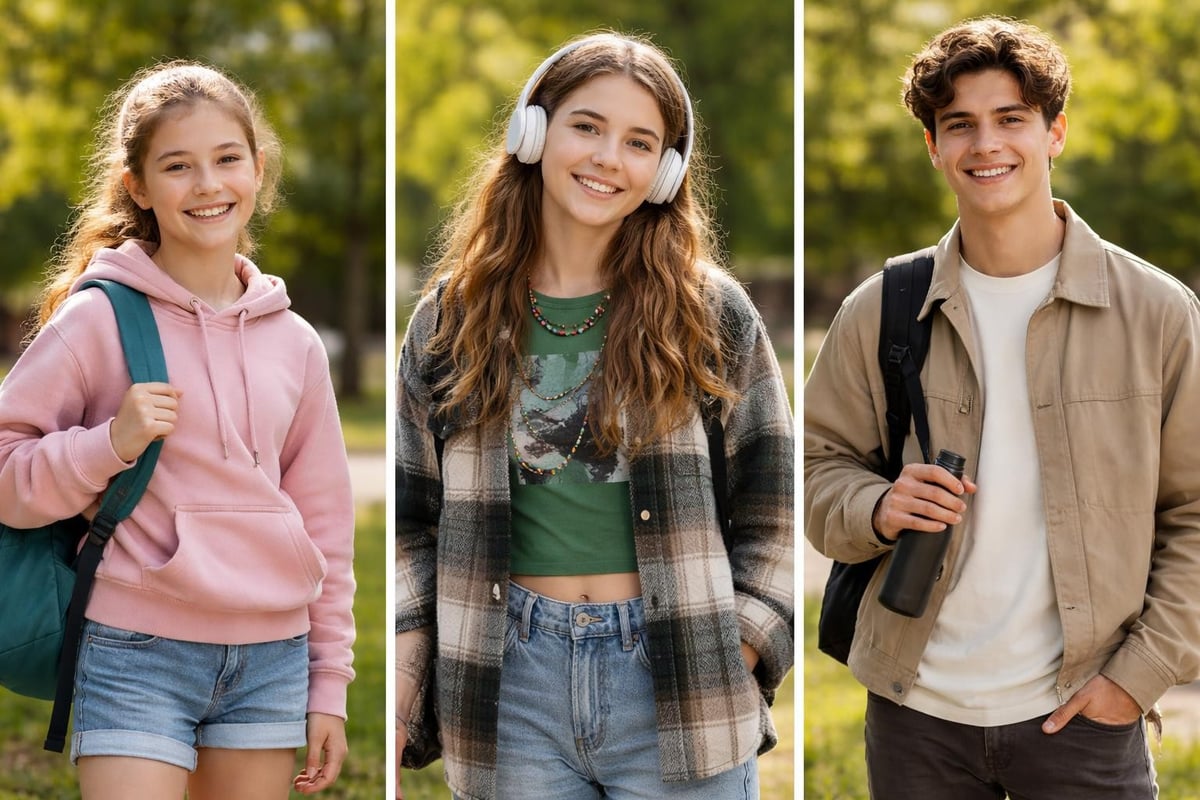
The top youth fashion trends of 2024 have carried forward into 2026 with notable refinements. Oversized silhouettes remain dominant, but with more intentional tailoring and structure. Bold colors have evolved toward more sophisticated palette combinations that work across seasons.
Sustainability has moved from niche concern to mainstream expectation. According to Opeepl's youth fashion report, second-hand clothing among 15-30-year-olds has become standard practice rather than alternative shopping. This shift influences how retailers approach inventory and how young people build their wardrobes.
Graphics and Personal Expression
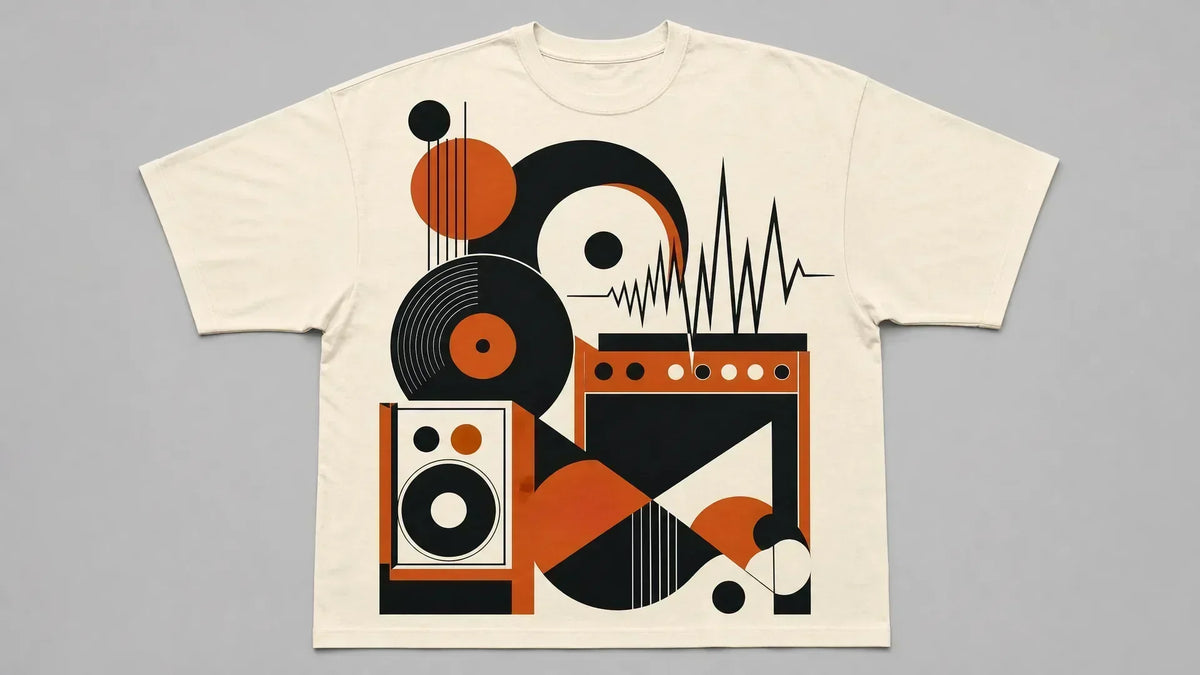
Graphic tees continue their reign as youth clothing staples, but the graphics themselves have become more meaningful. Young people choose designs that communicate specific interests, values, or humor rather than generic logos. Unique prints featuring everything from marine life to celestial themes allow wearers to showcase personality without saying a word.
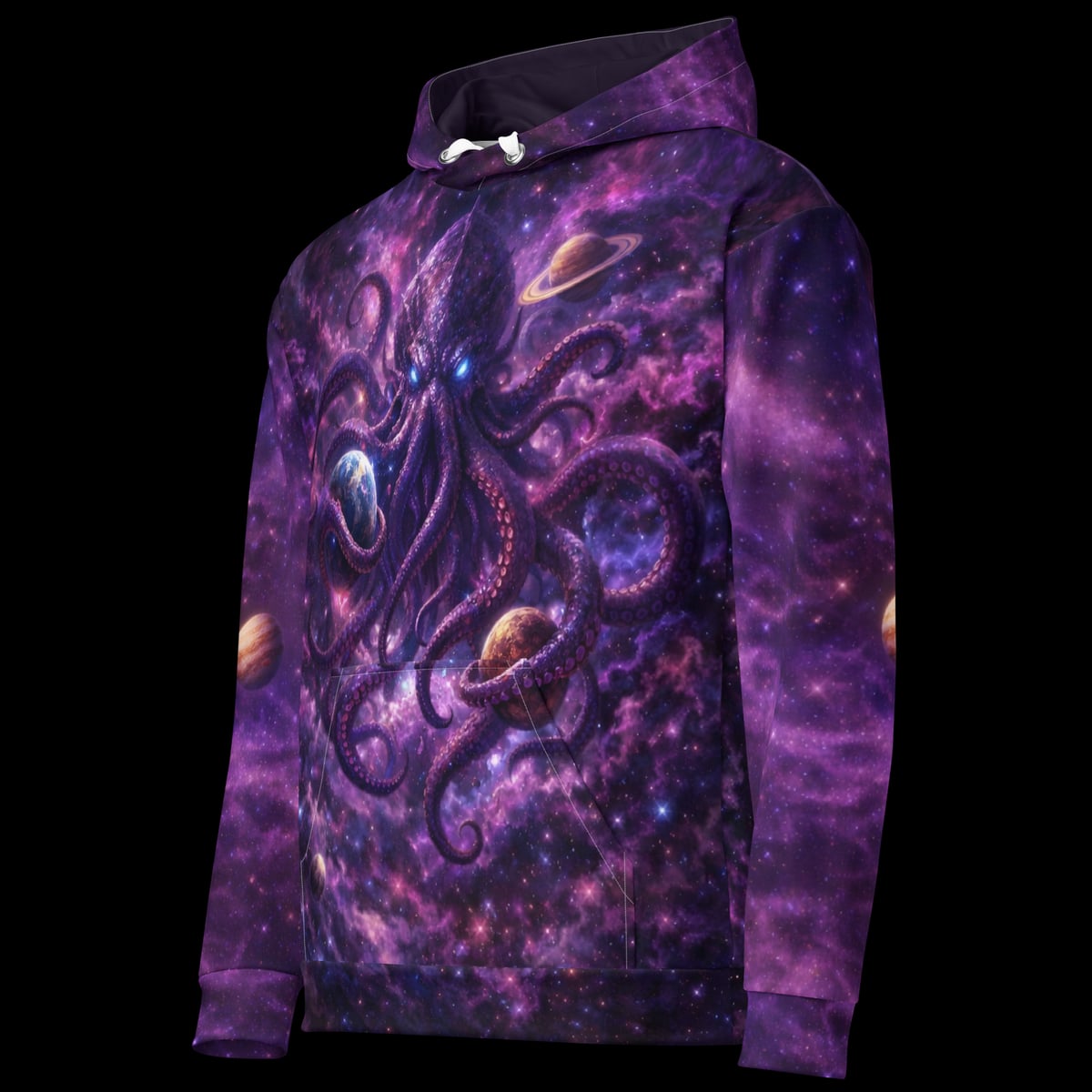
The Cosmic Kraken Hoodie exemplifies this trend perfectly-merging ocean mythology with cosmic imagery through an all-over print design that appeals to both sci-fi enthusiasts and young people who appreciate distinctive visual storytelling. This type of specialized graphic appeals to youth seeking conversation-starting pieces that reflect their specific interests.
The Comfort Revolution
Youth clothing has undergone a comfort revolution, with 2025 childrenswear trends emphasizing comfort-first styles that don't sacrifice style. Soft, breathable fabrics with stretch properties dominate the market. Cotton blends, moisture-wicking materials, and garment-dyed finishes create that lived-in feeling from the first wear.
Essential comfort features:
- Tagless labels to prevent irritation
- Flat-seam construction for reduced chafing
- Adjustable waistbands for growing bodies
- Pre-shrunk fabrics for consistent sizing
- Breathable weaves for temperature regulation
This focus on physical comfort aligns with broader wellness trends among young people who prioritize mental and physical well-being in all lifestyle choices.
Building a Functional Youth Wardrobe
Creating a practical yet stylish youth wardrobe requires strategic thinking about versatility, quality, and personal expression. The foundation consists of mix-and-match basics that work across multiple settings, from school to weekend activities to family gatherings.
Essential Categories
Every well-rounded youth clothing collection should include pieces across several key categories. Starting with basics provides the flexibility to add trend-driven items without overspending or creating closet chaos.
Foundation pieces include:
- Hooded sweatshirts in neutral and statement colors
- Graphic tees that reflect personal interests
- Comfortable pants including jeans, joggers, and leggings
- Layering pieces like flannels and lightweight jackets
- Versatile footwear from sneakers to casual boots
The beauty of youth clothing in 2026 lies in how these basics can be styled differently for various occasions. A simple hoodie pairs equally well with jeans for school or joggers for sports activities.
Seasonal Transitions
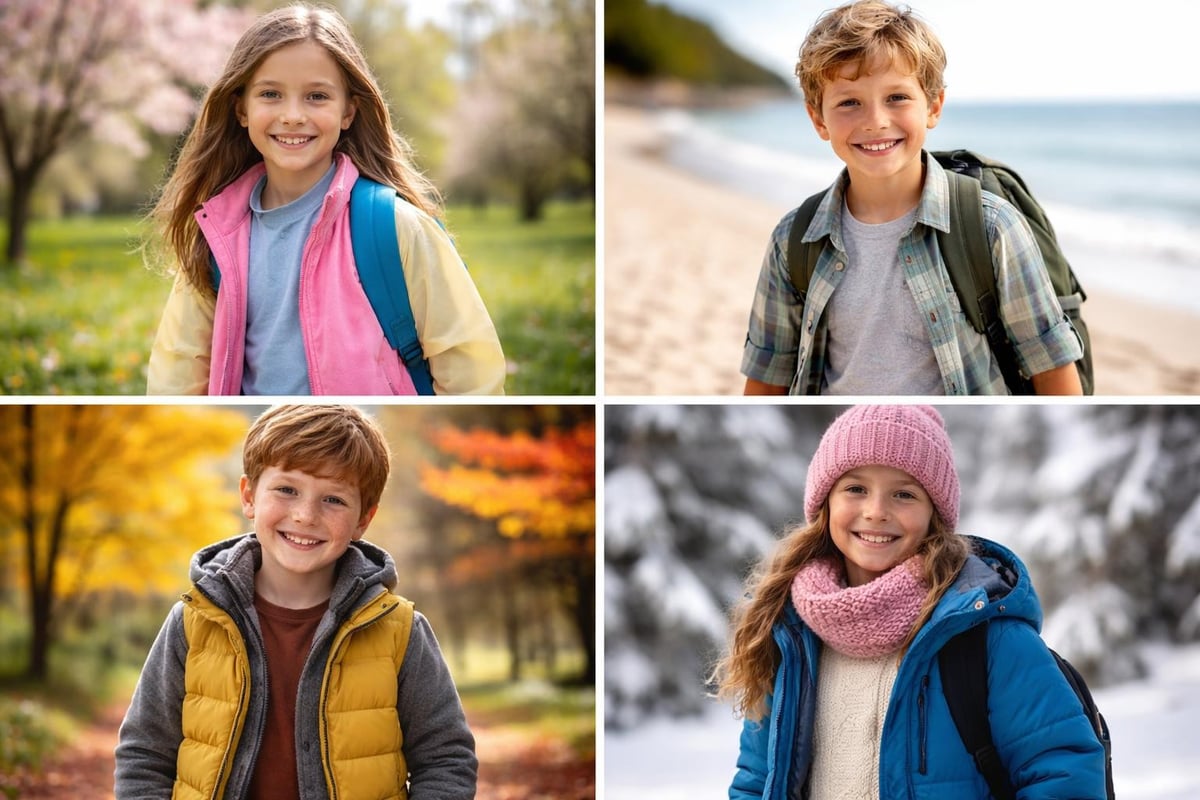
Managing seasonal wardrobe transitions presents unique challenges for youth clothing. Bodies are growing, preferences are evolving, and climate needs shift dramatically. Smart shoppers focus on transitional pieces that work across multiple seasons.
| Season | Priority Items | Styling Strategy | Investment Focus |
|---|---|---|---|
| Spring | Light layers, breathable tees | Mix weights, add accessories | Quality basics |
| Summer | Moisture-wicking tops, shorts | Bright colors, comfortable fits | Sun protection features |
| Fall | Hoodies, long sleeves | Layering combinations | Versatile outerwear |
| Winter | Insulated options, base layers | Texture mixing, warm accessories | Durable construction |
Exploring back to school fashion trends provides insight into how youth clothing adapts to the fall season when wardrobe refreshes typically occur.
Sustainability and Ethical Production
Environmental consciousness has become non-negotiable for today's youth clothing shoppers. Young people understand their purchasing power and increasingly choose brands that demonstrate genuine commitment to sustainable practices rather than greenwashing marketing claims.
Material Innovation
Fabric technology has advanced significantly, offering eco-friendly options without compromising durability or comfort. Organic cotton, recycled polyester, and innovative plant-based materials provide sustainable alternatives to conventional textiles.
Sustainable material benefits:
- Reduced water consumption during production
- Lower carbon footprint throughout lifecycle
- Biodegradable options for end-of-life disposal
- Chemical-free processing methods
- Support for regenerative farming practices
Understanding fabric content helps consumers make informed decisions aligned with their values. Reading labels and researching production methods empowers young shoppers to support genuinely sustainable brands.
The Second-Hand Revolution
Thrifting, clothing swaps, and resale platforms have transformed from budget alternatives into preferred shopping methods. This shift reflects both environmental awareness and the appeal of unique, vintage-inspired pieces that stand out from mass-produced options.
The resurgence of Y2K fashion demonstrates how second-hand shopping intersects with trend cycles, allowing young people to access authentic early 2000s pieces rather than modern reproductions.
Styling Youth Clothing for Different Occasions
Versatility defines successful youth clothing purchases in 2026. Pieces that transition seamlessly from casual to slightly dressed-up situations offer the best value and most wardrobe mileage.
School and Academic Settings
School dress codes vary widely, but most allow personal expression within reasonable boundaries. Youth clothing for academic settings should prioritize comfort during long sitting periods while maintaining appropriate coverage and professionalism.
School-appropriate styling:
- Layer graphic tees under open button-downs
- Pair hoodies with clean, well-fitted jeans
- Choose sneakers that support all-day wear
- Add subtle accessories for personality
- Keep backup layers in lockers for temperature changes
Many schools have relaxed dress codes compared to previous years, allowing more room for personal style expression through youth clothing choices.
Social and Recreational Activities
Weekend activities, hangouts with friends, and recreational pursuits call for youth clothing that balances style with functionality. Comfort remains paramount, but young people want to look put-together and confident.
Athletic-inspired pieces work well beyond sports contexts. Joggers, hoodies, and performance tees have become acceptable casual wear that doesn't read as exclusively gym clothing. This athleisure influence has permanently altered youth clothing expectations around comfort and flexibility.
Special Occasions
Formal events require youth clothing that feels special without being uncomfortable or overly restrictive. Young people increasingly reject traditional formal wear in favor of elevated casual pieces that express personality while meeting occasion requirements.
The bohemian fashion trends emerging in 2026 offer inspiration for special occasions, with lace-trimmed pieces and embroidered details providing sophistication without stuffiness.
Fit and Sizing Considerations
Proper fit makes or breaks youth clothing purchases. Bodies change rapidly during these years, making sizing particularly challenging. Understanding how different brands size their garments and knowing when to size up for growth room versus buying true-to-size helps maximize wear time.
Growth-Friendly Purchasing
Strategic buying accounts for inevitable growth while avoiding overwhelming oversized fits that discourage wearing. Different garment types accommodate different growth strategies.
| Garment Type | Sizing Strategy | Expected Wear Duration | Growth Accommodation |
|---|---|---|---|
| T-shirts | True to size | 6-12 months | Limited, replace as needed |
| Hoodies | Size up one | 12-18 months | Adjustable through layering |
| Jeans | True to size or up | 8-14 months | Adjustable waistbands help |
| Outerwear | Size up one | 18-24 months | Room for layering |
Understanding these patterns helps make cost-effective decisions that balance immediate wearability with longevity.
Body Positivity and Inclusive Sizing
Youth clothing brands increasingly recognize the importance of inclusive sizing that accommodates different body types without stigmatizing or segregating options. Extended size ranges presented alongside standard sizes normalize body diversity.
Young people benefit from seeing themselves represented in marketing imagery and having access to trendy styles regardless of size. This inclusivity extends beyond measurements to gender-neutral options that allow all young people to wear what makes them comfortable.
Shopping Strategies and Budget Management
Building a youth clothing wardrobe on any budget requires strategic planning and smart shopping habits. Understanding when to invest in quality pieces versus when acceptable budget options exist helps stretch dollars without sacrificing style.
Investment Versus Trend Pieces
Not all youth clothing deserves equal investment. Foundation pieces that receive daily wear warrant higher quality spending, while experimental trend items can come from budget sources.
Worth the investment:
- Outerwear that withstands weather and wear
- Well-constructed jeans from reputable brands
- Quality hoodies with reinforced seams
- Versatile sneakers with proper support
- Classic graphic tees in premium cotton
Budget-friendly options:
- Seasonal trend pieces with short relevance
- Lounge wear for home use only
- Accessories that change frequently
- Fast-growing sizes during growth spurts
- Experimental colors or styles being tested
This balanced approach maintains style while respecting financial realities.
Online Versus In-Store Shopping
Both shopping methods offer distinct advantages for youth clothing purchases. Online shopping provides broader selection and often better prices, while in-store experiences allow fit verification and immediate satisfaction.
Checking out the TeninoVentures blog offers styling inspiration and product highlights that help with online decision-making. Reading detailed product descriptions, checking size charts, and understanding return policies minimizes online shopping risks.
Cultural Influences and Style Movements
Youth clothing trends don't emerge in vacuum-they reflect broader cultural movements, music influences, social media trends, and generational values. Understanding these connections provides context for why certain styles resonate with young people.
Social Media Impact
Platforms like TikTok have accelerated trend cycles and democratized fashion influence. Young people discover styles from peers worldwide rather than solely from traditional fashion media. This global exchange creates fascinating hybrid styles mixing influences from different cultures and subcultures.
The Quarter-zip movement exemplifies how specific garments can become cultural markers for particular groups, demonstrating youth clothing's role in identity formation and group belonging.
Music and Subculture Influence
Musical genres continue influencing youth clothing choices, from streetwear's hip-hop roots to indie rock's vintage aesthetic. Young people often discover new styles through favorite artists and adopt elements that resonate with their musical tastes.
Genre-specific style elements:
- Pop: Colorful, polished, trend-forward pieces
- Rock/Alternative: Distressed details, band graphics, layered looks
- Hip-Hop: Streetwear staples, bold logos, athletic influences
- Indie: Thrifted finds, vintage cuts, understated graphics
- Electronic: Futuristic elements, technical fabrics, minimalist designs
These musical influences overlap and blend, creating personalized style combinations unique to individual wearers.
Care and Maintenance for Longevity
Proper care extends youth clothing lifespan significantly, reducing replacement frequency and supporting sustainability goals. Teaching young people basic garment care develops life skills while protecting their wardrobe investments.
Washing and Drying Best Practices
Different fabrics require different care approaches. Cotton tolerates regular washing but benefits from cold water to prevent shrinkage. Performance fabrics need specific detergents to maintain moisture-wicking properties. Graphic prints last longer when garments are turned inside-out before washing.
Care routine essentials:
- Sort by color and fabric type
- Use cold water for most youth clothing
- Avoid overloading machines
- Turn graphics inside-out
- Air dry when possible to prevent shrinkage
- Fold hoodies rather than hanging to maintain shape
These simple habits preserve appearance and structural integrity through countless wear cycles.
Storage Solutions
Organized storage systems help young people maintain their wardrobes and make getting dressed easier. Age-appropriate organization methods encourage independence while keeping youth clothing in good condition.
Drawer dividers separate categories, hanging organizers maximize closet space, and clear bins store off-season items. Teaching these systems early develops organizational skills that extend beyond clothing management.
The Future of Youth Clothing
Looking ahead, youth clothing continues evolving toward greater personalization, sustainability, and technological integration. Smart fabrics that adapt to temperature, customization platforms that allow design input, and rental services for special occasions represent emerging directions.
Virtual fitting technology may reduce return rates for online youth clothing purchases. Blockchain authentication could verify sustainable production claims. Subscription services might offer curated selections based on individual style profiles and growth patterns.
The summer microtrends identified for 2025 suggest continued fragmentation of style into micro-communities rather than monolithic trends, allowing more individual expression through youth clothing choices.
Technology Integration
Beyond smart fabrics, technology influences how young people discover, purchase, and interact with clothing. Augmented reality try-on features, AI styling assistants, and social shopping experiences blur lines between digital and physical retail.
Emerging technologies:
- Virtual wardrobes cataloging owned pieces
- Mix-and-match apps suggesting outfit combinations
- Size recommendation algorithms improving fit accuracy
- Social proof features showing real customer photos
- Sustainability scorecards rating environmental impact
These tools empower more informed youth clothing decisions while making shopping more engaging and personalized.
Youth clothing in 2026 represents far more than simple garments-it's a complex intersection of personal identity, values expression, and practical functionality. Understanding current trends, prioritizing quality and sustainability, and developing smart shopping strategies helps young people and their families build wardrobes that serve them well across all contexts. Whether you're seeking graphic hoodies that showcase unique interests, comfortable basics that work for any occasion, or versatile pieces that transition across seasons, TeninoVentures offers carefully curated selections that balance style, quality, and value to help young people express themselves authentically.

Leave a comment
This site is protected by hCaptcha and the hCaptcha Privacy Policy and Terms of Service apply.