
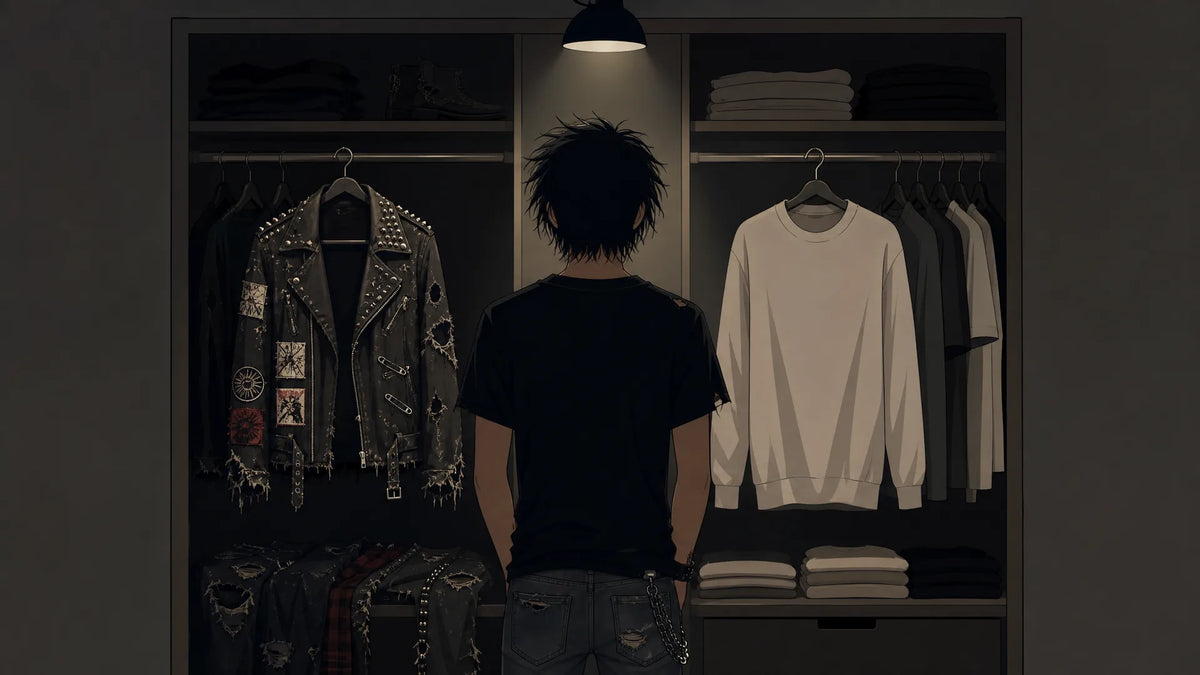
Subculture Fashion Apparel Brands: Authentic Style Over Trends
Most lists of subculture fashion apparel brands get it wrong from the first entry. They reach for the biggest names, the ones with billboard campaigns and celebrity co-signs, and call that "alternative." It isn't. Real subculture fashion has always been about belonging to something the mainstream hasn't caught up to yet, and the brands that serve those communities know the difference between a visual reference and an actual cultural root. This piece is for people who can tell that difference, and who shop accordingly.
Why Subculture Fashion Is About Identity, Not Just Aesthetics
Wearing a band tee is a declaration. So is a patch-covered jacket, an all-over-print hoodie, or a graphic tee pulled from a brand most people have never heard of. Subculture apparel signals membership, it tells other people in your orbit exactly who you are and what you stand for, without a word spoken.
That's what separates it from a trend. Trends are borrowed. Subculture style is owned.
The Difference Between Trend-Chasing and Culture-Rooted Style
When a major retailer drops a "punk-inspired" collection, they're translating surface signals, safety pins, distressed fabric, black-and-white typography, without the context that made those signals meaningful. The result is costume, not identity.
Dick Hebdige argued this in Subculture: The Meaning of Style (1979), a foundational text in fashion academia: the moment a subculture aesthetic becomes a retail category, it starts losing its oppositional force. That argument holds up in 2026. Communities reject mass-market imitations not out of snobbery, but because the meaning has been drained. A fast-fashion "goth aesthetic" hoodie isn't goth. It's a silhouette without a soul.
Authentic counterculture fashion communicates something the wearer actually believes. The brands that earn loyalty in these spaces understand that.
What Makes a Subculture Fashion Apparel Brand Legit
Legitimacy in alternative fashion isn't about age or size. It's about where the design comes from, and whether the people behind the brand actually live in the culture they're designing for.
Community Roots vs. Corporate Aesthetics
Supreme started as a skate shop on Lafayette Street, selling to skaters. Vans built its reputation in the same scene before wide distribution. Both brands earned their underground credibility through genuine community connection, and both illustrate exactly what happens when that connection erodes at scale. Mainstream acquisition and mass retail didn't just change the price point; it changed the relationship between brand and wearer.
The underground style brands worth knowing in 2026 are the ones that haven't made that trade. Killstar and Kreepsville 666, for example, design for the goth and darkwave communities using a visual vocabulary pulled directly from within those scenes, not reverse-engineered from trend forecasting reports. That's the baseline test: does this brand exist because of the community, or despite it?
Independent Brand Ethos and Print-Driven Design
Independent graphic apparel brands have a structural advantage over corporate ones: they don't need to produce for the lowest common denominator. Without the pressure of mass inventory, they can design for a specific person with a specific aesthetic, and go as bold, weird, or niche as that person demands.
Print-on-demand technology has accelerated this. Brands using a made-to-order model can offer a wide range of designs without committing to bulk production runs. No warehouse of unsold "edgy" hoodies sitting around because the trend shifted. Every piece is made because someone actually wanted it, which aligns with the anti-excess values that define most subculture fashion audiences.
Top Subculture and Alternative Fashion Brands Worth Knowing in 2026
No list covers everything. Subcultures fracture and multiply faster than any article can track. But across the core aesthetic tribes, here are the brands operating with real design conviction.
Punk, Metal, and Counterculture Clothing Labels
Killstar remains the most recognizable name in goth and darkwave apparel with consistent design depth. Kreepsville 666 is smaller and weirder, which is exactly the point, their output reads like it was made by people who grew up in the scene. For heavier metal aesthetics, labels like Napalm Records' merch wing and independent screen printers in the black metal community produce pieces that function as cultural artifacts, not just clothing.
What unites this tier: designs that would alienate a mainstream buyer are features, not bugs. The visual boldness is intentional and uncompromising.
Streetwear and Underground Graphic Apparel Brands
Aesthetic streetwear built around personal expression has always had a tighter relationship with identity than commercial streetwear. Brands like Brain Dead, Fuct, and smaller independent labels operating through limited drops treat each release as a statement rather than inventory.
The graphic tee is still the unit of currency here. Bold, image-forward, often referential, these pieces reward people who recognize the reference and exclude people who don't. That exclusion is part of the function. Underground graphic apparel brands aren't trying to sell to everyone.
Anime, Gaming, and Niche Fandom Apparel
By the mid-2020s, anime and gaming fandom had generated a dense independent apparel market. Dozens of graphic brands launched on platforms like Redbubble and Etsy before graduating to direct-to-consumer storefronts, a pipeline that produced some genuinely sharp design alongside a lot of noise. Brands like Insert Coin Clothing (gaming-focused) built direct community audiences through design quality and scene credibility rather than licensing.
The best fandom apparel in this space works because it's specific. A design referencing an obscure arc from a cult anime series communicates more to the right person than any general "anime fan" graphic. Explore anime fashion hoodies and tees for 2026 to see what that specificity looks like in practice.
How Niche Subculture Clothing Stands Apart From Fast Fashion
Fast fashion operates on volume and velocity. A trend enters the runway or algorithm, gets produced at scale in weeks, and floods the market before the community that originated it has moved on. The people wearing it fastest aren't the originators, they're the mass market.
Niche subculture clothing works on the opposite logic. Limited runs, design-first decisions, and a buyer base that prioritizes uniqueness over price point. A counterculture fashion audience isn't looking for the cheapest black hoodie. They're looking for the one that says something no other hoodie says.
That's also why community authenticity matters as a purchase factor. Buyers in these spaces research brands, they check who's behind them, what scenes they're connected to, whether the designs come from lived experience or a mood board. Fast fashion can copy the look; it can't copy the origin story.
Finding Your Tribe: Matching Your Aesthetic to the Right Brand
Subculture fashion isn't monolithic. Punk isn't the same as cottagecore. Kawaii doesn't overlap with dark academia. Gaming streetwear and psychedelic festival wear are different dialects of the same refusal to blend in. Finding the right brand means knowing which dialect you're speaking.
Some starting points by aesthetic lane:
- Punk/hardcore: Look for screen-print-heavy designs, DIY visual references, political or anti-establishment imagery.
- Goth/darkwave: Expect occult symbolism, Victorian silhouettes, and a color palette that runs from black to blood red.
- Psychedelic/festival: Psychedelic print apparel as wearable art leans into saturated color, fractal patterns, and visual maximalism.
- Anime/fandom: Specificity is the signal, the more niche the reference, the more credible the brand.
- Kawaii: Kawaii tees and identity-driven fashion blend softness with strong visual identity, pastel doesn't mean passive.
- Gaming/streetwear crossover: Graphic-heavy, reference-dense, often drop-model exclusivity.
Tenino Ventures sits in the space where these lanes converge around one shared value: the refusal to disappear into the crowd. We make bold graphic apparel and all-over print designs for people who treat what they wear as a statement, not a default. That's not a niche. That's a worldview.
Bold All-Over Print and Graphic Tee Culture
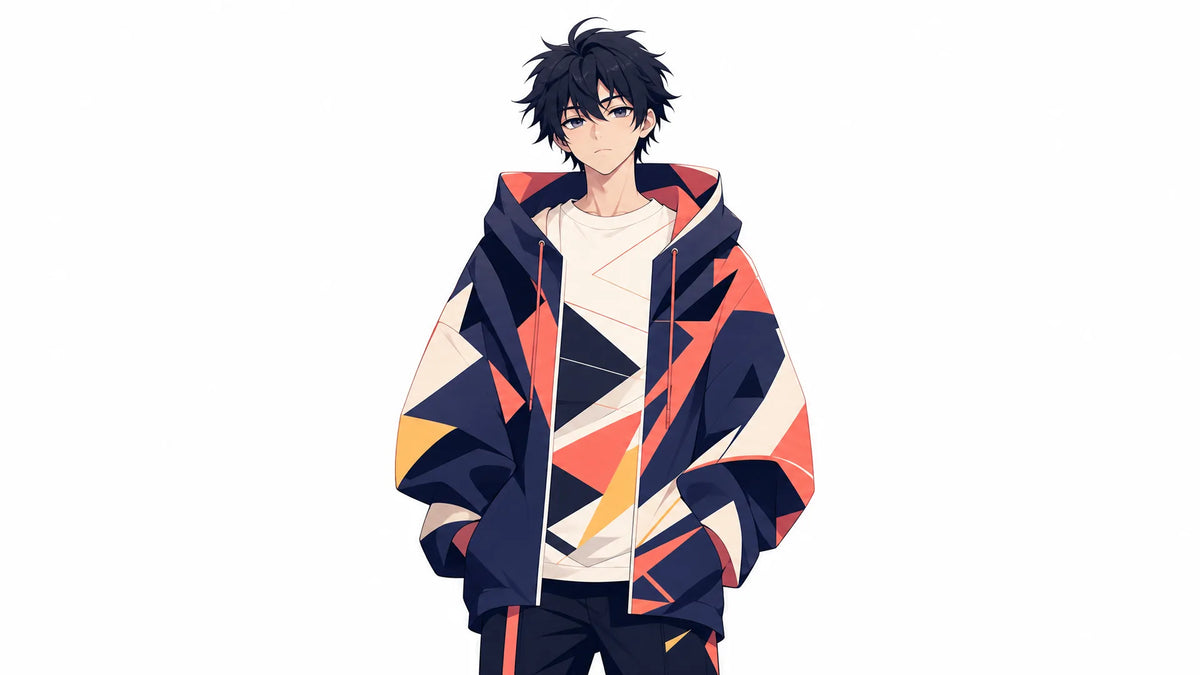
All-over print is one of the most uncompromising formats in subculture apparel. There's nowhere to hide, the design covers every surface, and if it doesn't work, everyone knows. That's exactly why the people who gravitate toward bold all-over print tee design tend to have a clear sense of who they are. The format rewards conviction.
Graphic tee culture runs parallel: a single strong image, a reference that lands for the right person, and nothing else. No brand noise, no lifestyle softening, just the design and what it means.
What to Look for When Shopping Independent Graphic Apparel
When you're evaluating a brand you've never bought from, a few things separate the real from the performative.
Design originality: Does the brand have a consistent visual language, or does it look like a different brand every drop? Authentic underground style brands have a point of view that's legible across their catalog.
Print quality: All-over print and graphic tees live or die by execution. Look for brands that are specific about their printing process, not vague claims, but actual detail about how and where pieces are produced. Print-on-demand apparel quality and durability is worth understanding before you buy, because made-to-order production done right is a quality advantage, not a compromise.
Sizing inclusivity: Subculture fashion audiences aren't a single body type. Brands that restrict their size range are restricting their community.
Brand values: Who's behind it, what do they stand for, and does the design reflect that? This matters more in alternative fashion than in any other segment, because the audience is already skeptical of brands that perform identity rather than live it.
If you're also shopping for someone who refuses to fit the mainstream mold, unique gift ideas for people with alternative taste is a useful place to start.
For a broader look at the independent design landscape, unisex graphic tee brands delivering bold design in 2026 gives context on how the best brands are approaching inclusivity and visual impact at the same time.
We built Tenino Ventures for exactly the person this article is written for. If you've made it this far and recognize yourself in any of these aesthetic lanes, come find us, the designs are made for people who don't need a billboard to tell them what to wear.

Leave a comment
This site is protected by hCaptcha and the hCaptcha Privacy Policy and Terms of Service apply.